▶ Watch the original YouTube video
How Uma Musume’s ‘Don’t Laugh Golden Generation’ Event Redefined Fan Culture and Became a Watershed Moment for Modern Fandom
Uma Musume Pretty Derby’s “Don’t Laugh Golden Generation” in-game event has sparked widespread discussion across social media platforms, marking a significant evolution in how game developers engage with fan culture. The event, which places beloved characters in a comedic challenge scenario, represents a new frontier in understanding and validating fan devotion through interactive storytelling.
What Happened
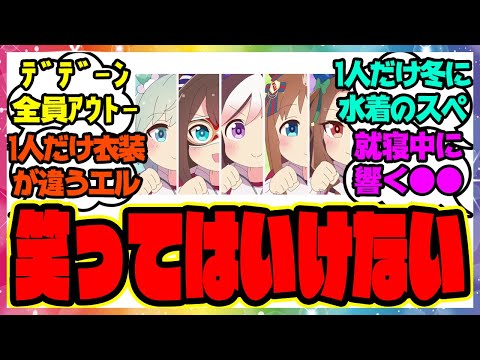
Uma Musume Pretty Derby released an in-game event titled “Don’t Laugh Golden Generation,” featuring multiple popular characters participating in a “don’t laugh” challenge—a reference to Japan’s long-running “Gaki no Tsukai” comedy special series. The event presents these characters facing comedic situations while attempting to maintain their composure, with their individual personalities and voice acting performances driving the narrative forward. The event generated significant engagement across Twitter, YouTube, TikTok, and other platforms, with fans sharing reactions to how their favorite characters responded to the challenge.
Why It Matters
This event represents a fundamental shift in how game developers approach fan engagement. Rather than simply showcasing characters in heroic or dramatic scenarios, the event directly incorporates fan psychology—specifically the concept of “oshi” (fan favorite) culture—into the official game narrative. By placing beloved characters in vulnerable, comedic situations, the event validates and celebrates the act of supporting specific characters, transforming what was historically a personal, private fan activity into a shared, officially-recognized experience. This approach signals a maturation of the gaming industry’s understanding of fan communities and their emotional investment in characters.
Background
Uma Musume Pretty Derby is a mobile game that launched in 2021, built around collecting and developing characters inspired by famous racehorses. The game’s structure inherently encourages players to develop attachments to multiple characters simultaneously, creating a modern fan culture dynamic distinct from earlier single-character devotion models. The “Don’t Laugh Golden Generation” event specifically features characters designated as part of the “Golden Generation”—a select group of popular, well-established characters within the game’s roster. This limited character selection creates a sense of exclusivity while simultaneously generating discussion about which characters were included and excluded from the event.
Key Points
- Character-Driven Narrative: Each character’s response to the “don’t laugh” challenge reflects their established personality traits and voice acting nuances, demonstrating sophisticated character design integration.
- Multi-Platform Virality: The event generated simultaneous discussion across Twitter, YouTube, TikTok, and forum communities, indicating broad appeal across different fan demographics.
- Emotional Complexity: Fans experience conflicting emotions—joy at seeing their favorite character featured, tension watching them face challenges, and satisfaction observing their individual responses.
- Voice Acting as Central Element: The success of the event heavily depends on voice actors’ ability to convey character personality while maintaining the comedic constraint of not laughing.
- Validation of Multiple Fan Favorites: The event acknowledges the modern reality that fans typically support multiple characters simultaneously, rather than a single “main” favorite.
- Meta-Narrative Structure: The event incorporates fan culture itself—the act of supporting characters—as the primary narrative device, rather than using fan support as mere backdrop.
Evolution of Fan Culture Events
The “Don’t Laugh Golden Generation” event represents the third generation of fan-focused game events. First-generation events (exemplified by early Idolmaster content) featured characters simply succeeding in their roles, offering passive fan support. Second-generation events (such as Love Live’s narrative arcs) introduced characters overcoming obstacles, deepening emotional investment. Third-generation events—of which Uma Musume’s offering is a prime example—feature multiple beloved characters in complex, emotionally layered scenarios where fans experience simultaneous, sometimes contradictory feelings about different characters’ performances. This evolution reflects the gaming industry’s deepening sophistication in understanding fan psychology and community dynamics.
Perspectives
Fan Appreciation: Many players expressed genuine emotion upon witnessing their favorite characters in the event, with social media filled with posts celebrating specific character moments and voice acting performances. The event successfully created shareable, memorable moments that fans wanted to discuss and revisit.
Technical Recognition: YouTube and forum discussions frequently highlighted the voice actors’ performances, with particular praise for their ability to convey character personality under the comedic constraint. This elevated voice acting to a primary focus rather than secondary accompaniment.
Inclusivity Questions: Some discussion emerged regarding which characters were selected for the “Golden Generation” designation and which were excluded. Fans of non-featured characters expressed both understanding of the limited scope and disappointment at their favorites’ absence, highlighting the inherent tension in selective event design.
Cultural Validation: The event was widely interpreted as official recognition and celebration of fan culture itself. Rather than treating fan devotion as peripheral to the game’s narrative, the event positioned it as central, fundamentally validating the emotional labor fans invest in character support.
Broader Industry Implications
The success of this event suggests several emerging trends in game development. First, meta-narrative approaches—where fan behavior and fan culture become part of the official story—are likely to increase as developers recognize their effectiveness in deepening engagement. Second, events featuring multiple characters with complex interpersonal dynamics will likely proliferate, moving beyond simple multi-character appearances toward sophisticated ensemble narratives. Third, voice acting quality will increasingly become a primary selling point of in-game events, elevating voice actors’ roles from supporting performers to central creative contributors.
The event also demonstrates that modern fan culture has fundamentally shifted from single-character devotion to simultaneous multi-character support. Game developers who recognize and accommodate this reality through thoughtful event design can create experiences that resonate more deeply with contemporary fan communities.
Insights
The “Don’t Laugh Golden Generation” event marks a watershed moment in how the gaming industry recognizes and validates fan culture. By incorporating the act of supporting characters directly into official narrative, the event transforms fan devotion from a private hobby into a celebrated, shared experience. This represents not merely a new event format, but a fundamental acknowledgment that fan communities are sophisticated, emotionally complex, and worthy of serious creative investment.
The event’s success across multiple platforms and its generation of both celebratory and critically-engaged discussion indicates that fans are ready for this evolution. The gaming industry’s willingness to meet that readiness with thoughtful, character-respecting design suggests a maturing relationship between developers and communities. Whether this represents a sustainable trend or a singular achievement remains to be seen, but the event has clearly established a new benchmark for how fan engagement can be meaningfully integrated into game narratives.