▶ Watch the original YouTube video
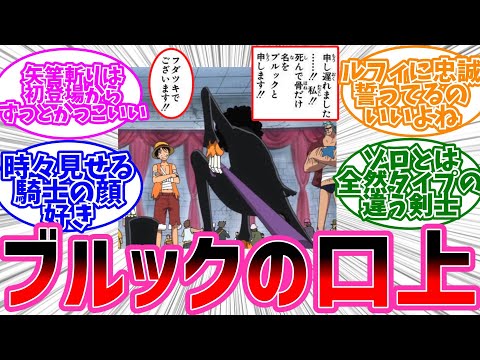
A viral moment from One Piece featuring the skeleton swordsman Brook’s refined phrase “Fudatsuki degozaimasu” has sparked widespread fan engagement on social media. The line’s comedic impact reveals how long-running anime series leverage character familiarity and linguistic contrast to create humor that resonates deeply with dedicated viewers.
What Happened
Brook, the skeletal musician of the Straw Hat Pirates, delivered the line “Fudatsuki degozaimasu” (roughly “I am experiencing good fortune”), which has generated thousands of retweets and comments across Twitter and YouTube. The moment was compiled into reaction videos that circulated widely within the One Piece fan community. Viewer responses overwhelmingly expressed laughter and affection for the character, with many noting that 15 years of following the series made the joke particularly impactful.
Why It Matters
This moment exemplifies how long-running anime series maintain viewer engagement through evolved comedic techniques. Rather than relying on simple visual gags, the humor stems from the contradiction between Brook’s gentlemanly, archaic speech patterns and his skeletal appearance—a contrast that becomes more potent as audiences accumulate years of character familiarity. The viral response demonstrates that shared cultural moments within fan communities strengthen viewer loyalty and create what functions as a form of social currency among dedicated fans.
Background
Brook joined the One Piece crew during the Thriller Bark arc, initially characterized by skeleton-related jokes and abilities tied to his Revive-Revive Fruit powers. Over 15 years, his comedic role has evolved from straightforward visual humor to more sophisticated character-based comedy. The phrase “Fudatsuki degozaimasu” represents this maturation—it employs formal, old-fashioned Japanese vocabulary that creates maximum contrast with his undead appearance. This linguistic strategy mirrors techniques seen in other long-running series like Naruto, Bleach, and My Hero Academia, where comedy becomes increasingly refined as character relationships deepen.
Key Points
- Brook’s line “Fudatsuki degozaimasu” generated significant social media engagement, with thousands of retweets and positive comments praising the character
- The humor derives from the contradiction between Brook’s gentlemanly speech patterns and his skeletal appearance, not from the phrase itself
- Long-term viewer investment in the character amplifies the comedic impact—new viewers report finding the line less funny than dedicated fans
- The moment exemplifies how long-running series evolve their comedic techniques to maintain viewer interest through character rediscovery
- Fan communities use shared moments like this to reinforce group identity and collective appreciation for the series
- The line’s effectiveness depends on viewers understanding Brook’s character fundamentals, experiencing 15 years of emotional attachment, and participating in the fan community’s shared culture
Timeline
- 2009: One Piece was already airing; initial viewers encountered Brook as a new crew member
- Thriller Bark Arc: Brook officially joined the Straw Hat Pirates; early comedy relied on skeleton-related jokes
- 2010–2024: Gradual evolution of Brook’s comedic role from simple visual humor to sophisticated character-based comedy
- Recent: “Fudatsuki degozaimasu” line circulates as reaction video compilation, generating widespread fan engagement
Perspectives
Long-term Fan View: Dedicated viewers who have followed One Piece for 15 years report that the line represents the culmination of their emotional investment in Brook’s character. They describe the humor as an expression of affection rather than simple comedy, noting that the phrase’s effectiveness depends entirely on accumulated familiarity.
New Viewer Perspective: Casual or new viewers report finding the line less inherently funny, suggesting that the humor does not translate without the prerequisite 15 years of character exposure. This observation highlights a structural limitation of long-running series comedy—it becomes increasingly inaccessible to newcomers.
Industry Analysis: The moment reflects a broader trend in anime production where established characters receive “rediscovery” moments designed to reignite viewer interest. Similar techniques appear in Jujutsu Kaisen’s portrayal of Gojo Satoru and Attack on Titan’s final arc character development, indicating that this strategy has become standard practice for maintaining long-term viewership.
Insights
Brook’s “Fudatsuki degozaimasu” line demonstrates that comedy in long-running anime operates fundamentally differently from standalone works. The humor requires three simultaneous conditions: understanding of the character’s core traits (skeleton appearance combined with gentlemanly speech), accumulated emotional attachment built over 15 years, and participation in the fan community’s shared culture. This creates a form of comedy that paradoxically strengthens viewer loyalty while potentially alienating new audiences.
The viral response also reveals how anime fan communities function as interpretive communities where shared moments become markers of belonging. The ability to appreciate this specific joke signals membership in a group that has invested significant time in the series, transforming a single line of dialogue into a badge of fandom.
However, this comedic evolution presents an industry challenge: as long-running series increasingly optimize humor for dedicated fans, they may inadvertently create barriers to new viewer acquisition. The trade-off between deepening existing fan relationships and attracting newcomers remains unresolved, suggesting that future anime production will need to balance these competing priorities.
Ultimately, Brook’s line exemplifies the pure joy of sustained engagement with a narrative—it represents the reward for 15 years of viewership compressed into a single phrase, making it perhaps the most efficient expression of what it means to be a long-term anime fan.