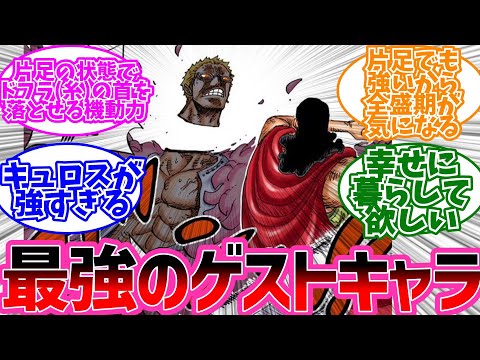
▶ Watch the original YouTube video
Why Kyros Is One of One Piece’s Greatest Characters: A Deep Analysis of Fan Reception
A viral YouTube reaction compilation titled “Kyros is such a good character” has sparked widespread discussion among One Piece fans about what makes this tragic warrior resonate so deeply. Through 15 years of anime viewing experience and comparative analysis with similar characters, this examination reveals how Kyros embodies themes of loss, acceptance, and mature character development that distinguish him as one of the series’ finest creations.
- What Happened
- Why It Matters
- Background
- Key Points
- Character Analysis: Loss and Acceptance
- Comparative Character Study
- The Kyros-Rebecca Relationship
- Evolution of “Good Character” Definition in One Piece
- Creator Intent and Character Design
- Fan Psychology and Emotional Response
- Broader Cultural Implications
- Insights and Conclusions
What Happened
A YouTube reaction compilation featuring fans discussing Kyros, a character from One Piece’s Dressrosa arc, has gained significant traction online. The video captures a common sentiment among viewers: “Kyros is such a good character.” This seemingly simple statement has become a focal point for deeper discussions about character development, emotional resonance, and what makes certain characters memorable in long-running anime series. The reaction compilation has prompted fans across Twitter, Reddit, and other platforms to share their own emotional responses to Kyros’s story arc.
Why It Matters
Kyros represents a significant evolution in One Piece’s character design philosophy. Unlike many anime characters who respond to loss through revenge or desperate attempts at recovery, Kyros demonstrates acceptance and forward momentum—a mature psychological approach rarely explored in mainstream anime. His character challenges viewers to reconsider what constitutes a “good character” and demonstrates how complex, nuanced storytelling can resonate with audiences across different age groups and viewing experiences. The widespread fan appreciation for Kyros reflects a maturing fanbase that values psychological depth and philosophical complexity over simple heroic narratives.
Background
Kyros first appeared prominently during the Dressrosa arc, which aired in 2014. He is a former soldier who lost his human body and was given a wooden prosthetic body. Despite this severe physical limitation, Kyros continues to fight and protect those he loves, particularly his daughter Rebecca (Lucky Roux). His character arc involves confronting a tragic past while building a meaningful present, making him distinct from other One Piece characters who have experienced significant loss. The character’s introduction came at a point when One Piece’s fanbase had matured considerably—nearly 20 years into the manga’s serialization—and audiences had developed more sophisticated expectations for character development.
Key Points
- Kyros is consistently praised by fans for his emotional depth and complex characterization, with “Kyros is such a good character” becoming a common refrain across fan communities
- His appeal lies in the stark contrast between his tragic past and his mature, forward-looking present—he accepts his losses rather than seeking revenge or restoration
- The wooden body motif serves as a philosophical statement about what constitutes humanity, echoing themes from works like Ghost in the Shell and Blade Runner
- His relationship with his daughter Rebecca demonstrates a natural, dignified portrayal of parent-child bonds that avoids “inspiration porn” tropes
- Social media reactions frequently mention emotional responses, with many fans reporting they cry during Kyros-focused scenes
- Kyros represents a departure from typical anime character archetypes, embodying psychological maturity and acceptance rather than determination to reclaim what was lost
Character Analysis: Loss and Acceptance
Kyros’s defining characteristic is how he processes loss. Having experienced significant trauma—losing his human body and years of his life—he does not respond with anger or desperation. Instead, he accepts his circumstances and focuses on protecting his present relationships. This contrasts sharply with other beloved anime characters. Edward Elric from Fullmetal Alchemist seeks to recover what he lost through alchemy. Eren Yeager from Attack on Titan pursues revenge and reclamation. Even within One Piece, characters like Robin and Franky overcome past trauma through their connection with Luffy. Kyros, however, has already internalized his loss as permanent reality and chooses to build meaning within those constraints.
This psychological maturity distinguishes Kyros as a character study in acceptance. The wooden body—a permanent, unchangeable condition—becomes a metaphor for immutable loss. Yet Kyros’s emotions, thoughts, and capacity for love remain entirely human. This paradox challenges viewers to reconsider the relationship between physical form and human essence, a philosophical question rarely explored with such emotional directness in mainstream anime.
Comparative Character Study
Kyros vs. Edward Elric (Fullmetal Alchemist): Both lost their bodies and received mechanical replacements. However, Edward views his loss as something to be corrected through alchemical knowledge. Kyros accepts his wooden body as permanent and builds his identity around it rather than against it.
Kyros vs. Eren Yeager (Attack on Titan): Eren’s losses—his family and home—fuel his rage and drive for revenge. His character arc centers on reclaiming what was taken. Kyros’s losses are processed differently; his actions stem from protecting what he currently has rather than recovering what he lost.
Kyros vs. Robin and Franky (One Piece): Both experienced severe trauma and loss, but their healing comes through meeting Luffy and joining the Straw Hat crew. Kyros’s arc suggests he has already completed his own internal healing before the main narrative focuses on him. His stability and maturity are already established.
The Kyros-Rebecca Relationship
The relationship between Kyros and his daughter Rebecca exemplifies why fans find him so compelling. Rebecca knows her father has a wooden body; she understands his limitations and his past. Yet she accepts him completely as her father, not as a tragic figure deserving pity. This natural acceptance—neither ignoring his condition nor making it the center of their relationship—avoids the emotional manipulation common in anime storytelling. Kyros does not seek validation for his suffering; instead, he channels his energy into protecting those he loves. This dynamic demonstrates mature parenting and emotional stability that resonates particularly with viewers who may themselves be navigating complex family relationships or personal limitations.
Evolution of “Good Character” Definition in One Piece
Over 15 years of One Piece viewership, the definition of what constitutes a “good character” has shifted significantly. Early in the series, appealing characters were typically straightforward: supportive of Luffy, cheerful, and motivated by clear, simple goals. As the fanbase matured and the narrative became more complex, audience expectations evolved. By the Dressrosa arc, fans sought characters with psychological depth, internal contradictions, and nuanced motivations. Kyros emerged at precisely this moment in the series’ evolution, embodying the sophistication that the audience had come to expect. He is not simply “likable”—he is intellectually engaging, emotionally complex, and philosophically interesting.
Creator Intent and Character Design
Kyros’s characterization reflects mangaka Eiichiro Oda’s evolving approach to human psychology and character development. Early One Piece characters operated from relatively simple motivations. As the series progressed, Oda demonstrated increasing interest in portraying complex psychological states and mature emotional responses. Kyros’s action principle—protecting present relationships while accepting past losses—reveals sophisticated thinking about human growth and maturity. The wooden body concept extends this philosophical inquiry: if a person retains consciousness, emotion, thought, and love despite having a non-human body, are they still fully human? This question, traditionally explored in science fiction, gains emotional immediacy through Kyros’s lived experience within One Piece’s narrative framework.
Fan Psychology and Emotional Response
Analysis of fan reactions across Twitter, YouTube, and Reddit reveals several consistent patterns. First, fans frequently report emotional responses—crying, feeling moved, experiencing catharsis—when viewing Kyros-focused scenes. Second, many fans express admiration for his strength and resilience, with some reporting that watching Kyros motivates them to persevere through their own challenges. Third, fans consistently praise the parent-child relationship between Kyros and Rebecca as unusually authentic and emotionally satisfying compared to other anime portrayals of family bonds. These responses suggest that Kyros succeeds because he embodies three essential qualities: complexity (multiple conflicting motivations and identities), maturity (acceptance rather than denial or rage), and realism (his struggles reflect genuine human experiences of loss and adaptation).
Broader Cultural Implications
Kyros’s character carries significance beyond anime fandom. Modern society confronts many forms of loss—physical disability, psychological trauma, social displacement, economic hardship. Kyros demonstrates that loss need not define one’s entire identity or determine one’s future trajectory. His quiet dignity in accepting permanent change while maintaining purpose and love offers a counternarrative to both victimhood narratives and toxic positivity. In an era when social media often amplifies expressions of suffering and grievance, Kyros’s approach—accepting loss while focusing on present relationships and responsibilities—presents an alternative model of psychological resilience. This may explain why his character resonates across different age groups and cultural contexts: he addresses a universal human experience through a mature, dignified framework.
Insights and Conclusions
The viral appreciation for Kyros as “such a good character” reflects more than simple fandom enthusiasm. It indicates that audiences recognize and value sophisticated character development that explores psychological maturity, philosophical depth, and emotional authenticity. Kyros succeeds because he embodies a rare combination of qualities: he is tragic without being victimized, disabled without being defined by disability, traumatized without being consumed by trauma. His wooden body serves as both literal constraint and philosophical metaphor, prompting viewers to reconsider the relationship between physical form and human essence. Most importantly, Kyros demonstrates that acceptance of permanent loss, combined with commitment to present relationships, represents a valid and dignified path through human suffering—perhaps more mature and ultimately more meaningful than narratives centered on revenge, recovery, or denial. As One Piece continues to evolve, Kyros stands as a benchmark for character design that respects audience intelligence while delivering genuine emotional resonance.