▶ Watch the original YouTube video
Why Air Groove Gets Constant New Outfits in Uma Musume: A 15-Year Gaming Analysis of Gacha Strategy and Player Psychology
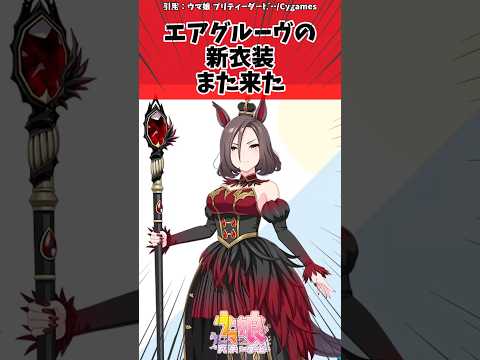
Air Groove, one of Uma Musume’s most popular characters, has received a rapid succession of new costume releases, sparking mixed reactions from trainers (players). This trend reflects broader monetization strategies in mobile gaming, where publishers concentrate resources on proven revenue drivers while creating tension within player communities between celebrating favorite characters and concerns about fairness.
What Happened
Air Groove, a top-tier character in Uma Musume Pretty Derby, has experienced an unprecedented stream of new costume implementations in recent months. Player reactions captured in community discussions reveal a complex emotional landscape: while some trainers celebrate their favorite character’s preferential treatment, others express concern about the concentration of resources on a single character. The phrase “here we go again” has become emblematic of this mixed sentiment, reflecting both anticipation and unease about the pattern.
Why It Matters
Air Groove’s costume surge illuminates fundamental tensions in modern mobile gaming economics. The phenomenon demonstrates how publishers balance short-term revenue maximization against long-term community health. It also reveals the psychological dynamics of “oshi culture” (fan devotion to specific characters), where player satisfaction becomes increasingly difficult to manage as expectations escalate. Understanding this pattern provides insight into sustainable versus extractive monetization practices across the gaming industry.
Background
Uma Musume Pretty Derby launched in March 2021 and has maintained active service for over three years. The game’s success relies heavily on character appeal and gacha mechanics, where players spend currency to obtain new costumes and characters. Air Groove established itself as a consistently top-five popular character within the player base from launch, making it an obvious target for monetization focus.
The author, drawing from 15 years of mobile gaming observation across titles including Granblue Fantasy, Fate/Grand Order, and The Idolmaster Cinderella Girls, identifies this costume concentration pattern as a deliberate operational strategy rather than coincidence. Similar phenomena have appeared in other long-running titles, each with distinct outcomes ranging from sustained success to player attrition.
Key Points
- Concentrated Resource Allocation: Air Groove receives disproportionate costume implementations compared to other characters, reflecting publisher focus on proven revenue sources.
- Psychological Complexity: Player reactions blend genuine joy at favorite character prioritization with concerns about fairness and unsustainable spending pressure.
- Industry Pattern Recognition: Similar strategies appear across multiple major titles, suggesting this represents broader industry trend rather than isolated decision.
- Community Fragmentation Risk: The strategy creates potential division between Air Groove enthusiasts and players of other characters, threatening long-term community cohesion.
- Escalating Expectations Cycle: Initial costume implementations establish baseline expectations that publishers must continuously exceed, creating pressure for accelerated release schedules.
- Quality Maintenance: Despite concentration, Air Groove’s costume designs maintain high artistic quality, suggesting strategic investment rather than opportunistic monetization.
Timeline
- March 2021: Uma Musume Pretty Derby launches; Air Groove establishes strong player popularity from inception.
- 2021-2022: Costume implementations distributed relatively evenly across character roster.
- 2023: Marked increase in Air Groove costume implementations begins.
- 2024: Costume concentration reaches levels prompting significant community discussion and mixed reactions.
Perspectives
Air Groove Enthusiasts: Players devoted to Air Groove express genuine delight at consistent new content. They appreciate the high artistic quality of implementations and view preferential treatment as validation of their character choice. For these players, the costume releases represent the pinnacle of fan service.
Concerned Oshi Culture Participants: Even within Air Groove’s supporter base, some express ambivalence. They recognize the joy of character prioritization while simultaneously questioning sustainability and fairness. These players experience internal conflict between personal satisfaction and broader community concerns.
Other Character Enthusiasts: Players devoted to non-prioritized characters voice frustration about unequal resource distribution. They question why their preferred characters receive less frequent updates and express concern about implicit messaging that certain characters matter more commercially.
Game Industry Observers: From a structural perspective, the strategy represents calculated risk management. Publishers concentrate resources on characters with demonstrated revenue potential, maximizing short-term returns while accepting potential long-term community friction.
Comparative Industry Analysis
The author’s 15-year observation identifies three distinct approaches across major titles:
Granblue Fantasy: Extreme concentration on popular characters (particularly Grea) created “here we go again” fatigue and contributed to player departures. The strategy prioritized immediate revenue over community satisfaction.
The Idolmaster Cinderella Girls: Moderate concentration on popular characters like Uzuki Shimamura created mixed reactions combining joy and perceived unfairness. Long-term impact remained mixed.
Fate/Grand Order: Deliberate restraint in concentrating resources on popular characters (particularly Saber variants) maintained more balanced community sentiment. This approach correlated with sustained player satisfaction and longevity.
Monetization Strategy Evolution
The author identifies three distinct phases in long-running mobile game monetization:
Phase One (Launch to Year One): Focus on new player acquisition with gradual costume implementation pace.
Phase Two (Years Two to Three): Shift toward maximizing revenue from existing players through accelerated releases targeting popular characters.
Phase Three (Year Four Onward): Balance between new player acquisition and existing player retention as saturation approaches.
Uma Musume currently occupies the transition between Phase Two and Phase Three, with Air Groove’s costume concentration representing Phase Two strategy implementation.
Psychological Dimensions of Oshi Culture
The author identifies a critical psychological transformation in player motivation:
Initial motivation: “I want to support my favorite character.”
Evolved motivation: “I must spend to ensure my favorite character receives continued prioritization.”
Anxiety-driven motivation: “If I don’t spend, my favorite character might lose preferential treatment.”
This progression represents a shift from intrinsic fan satisfaction to externally-driven spending anxiety. The phenomenon extends beyond Air Groove to affect all oshi culture participants, creating systemic psychological pressure that may prove unsustainable.
Community Health Implications
Air Groove’s costume concentration creates observable community stratification:
Positive Sentiment: “Air Groove’s new costume is beautiful” and “I’m happy my favorite is prioritized” represent genuine enthusiasm from devoted players.
Ambivalent Sentiment: “Here we go again” and “Air Groove again?” reflect internal conflict between personal joy and broader fairness concerns, primarily from Air Groove’s own supporter base.
Critical Sentiment: “When will my character get this treatment?” and “The publisher’s costume distribution strategy is questionable” express frustration from other characters’ enthusiasts.
This three-layer sentiment structure indicates both community maturity and latent fragmentation risk. The author notes that detailed Twitter analysis reveals “here we go again” often masks the thought: “I’m happy, but I worry about other players’ experience.”
Practical Recommendations for Players
Establish Spending Boundaries: The author recommends predetermined monthly spending limits (personal example: ¥5,000/month) to prevent impulse-driven decisions and maintain psychological autonomy.
Develop Evaluation Criteria: Rather than purchasing all releases, assess costumes against specific standards: illustration quality, character appeal enhancement, and story depth. This enables selective spending aligned with personal values.
Practice Cross-Game Perspective: Parallel play of multiple titles (Fate/Grand Order, The Idolmaster Cinderella Girls, Uma Musume) provides comparative context for evaluating each game’s monetization approach objectively.
Cultivate Community Empathy: Recognize other players’ perspectives and concerns. This awareness helps prevent community fragmentation and maintains healthier discourse.
Insights
Air Groove’s costume concentration represents a critical inflection point in Uma Musume’s operational strategy and the broader mobile gaming industry’s approach to oshi culture monetization. The phenomenon demonstrates that maximum short-term revenue extraction and long-term community health exist in tension rather than harmony.
The author’s 15-year observation suggests that publishers face a strategic choice: Granblue Fantasy’s approach of extreme concentration generates immediate revenue but risks community fragmentation and player departure. Fate/Grand Order’s measured restraint maintains community cohesion and sustained engagement. Uma Musume’s current trajectory follows the Granblue Fantasy model, creating both opportunity and risk.
More fundamentally, Air Groove’s situation illuminates how oshi culture—originally rooted in genuine affection for characters—becomes transformed by gacha mechanics into a system of spending-based validation. Players increasingly experience pressure to spend not from desire but from anxiety about maintaining their character’s preferential status. This psychological shift may represent an unsustainable foundation for long-term player satisfaction.
The critical question for Uma Musume’s future involves whether the publisher will recognize these dynamics and implement costume distribution diversification before community fragmentation becomes irreversible. The game’s exceptional character design, narrative quality, and mechanical polish position it for sustained success—but only if monetization strategy evolves to prioritize community health alongside revenue generation.
For players, Air Groove’s situation serves as a case study in maintaining personal agency within systems designed to exploit psychological vulnerabilities. The capacity to enjoy favorite character prioritization while simultaneously recognizing its broader implications represents mature engagement with modern gaming economics.