▶ Watch the original YouTube video
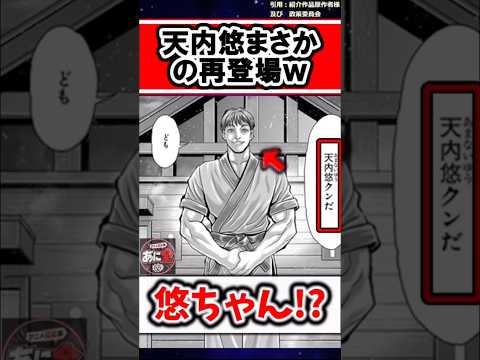
After years of absence, Tennaiyuu—a pivotal early-series rival from Grappler Baki—has unexpectedly reappeared in the new Baki Amusement Park arc. The character’s return has ignited intense discussion across fan communities, with longtime readers recognizing it as a strategic narrative move that signals a major turning point in the franchise.
What Happened
Tennaiyuu, a significant character from the early chapters of Grappler Baki, has unexpectedly returned in the newly launched Baki Amusement Park arc. This reappearance comes years after his initial departure from the narrative, surprising both longtime fans and sparking renewed interest in the character’s role within the broader story. The announcement has generated substantial discussion across social media platforms and fan forums, with readers expressing a mix of nostalgia and curiosity about the timing and purpose of his return.
Why It Matters
In creator Itagaki Keisuke’s body of work, character reappearances are rarely coincidental—they typically signal significant narrative shifts. Tennaiyuu’s return is particularly meaningful because he represents Baki’s formative years as a fighter. His reintroduction suggests the new arc will explore themes of growth, self-reflection, and the protagonist’s evolution since their initial encounters. For the franchise, this move also demonstrates a strategic approach to audience engagement: appealing to longtime fans through nostalgia while introducing new readers to important historical characters. The choice of setting—an amusement park—further indicates a deliberate shift in tone and narrative direction for the series.
Background
Tennaiyuu first appeared during the Grappler Baki era, serving as one of Baki’s earliest and most formative opponents. Their battles were instrumental in shaping Baki’s character and fighting philosophy, representing a crucial developmental phase in the protagonist’s journey. Over the subsequent years and story arcs—including Baki, Baki Hanma, and Baki Dou—Tennaiyuu gradually faded from the narrative as Baki faced increasingly powerful adversaries. The character’s absence became so complete that newer readers may have little familiarity with his significance. The Baki Amusement Park arc marks his first substantial return to the story in years, making it a notable event for the franchise.
Key Points
- Tennaiyuu, a pivotal early-series rival, has unexpectedly reappeared in the Baki Amusement Park arc
- Fan reactions range from nostalgic excitement to analytical speculation about narrative purpose
- Character reappearances in Itagaki’s work typically signal major story developments and thematic shifts
- The amusement park setting represents a deliberate departure from previous arc locations, suggesting new storytelling possibilities
- The return serves dual marketing purposes: satisfying longtime fans while generating interest among new readers
- Tennaiyuu’s reappearance likely functions as a measuring stick for Baki’s growth and a catalyst for future conflicts
Timeline
- 2009: Reader begins following the Baki series, discovering Tennaiyuu’s significance in early story arcs
- Grappler Baki era: Tennaiyuu serves as a formative opponent for the protagonist
- Subsequent arcs (Baki, Baki Hanma, Baki Dou): Tennaiyuu’s presence gradually diminishes as Baki faces stronger adversaries
- Present day: Tennaiyuu unexpectedly returns in the newly launched Baki Amusement Park arc
Perspectives
Longtime Fan Analysis: Experienced readers recognize Tennaiyuu’s return as a deliberate narrative strategy. Based on patterns observed across 15 years of the franchise, character reappearances typically serve multiple functions: they provide benchmarks for measuring protagonist growth, introduce new dramatic tension, and often precede major story turning points. Many longtime fans interpret the return as signaling that Baki has reached a new developmental stage requiring confrontation with his past.
New Reader Perspective: Newer audiences unfamiliar with Tennaiyuu have responded with curiosity, asking “Who is this character?” and “Why is his return significant?” This creates an opportunity for the series to expand its audience by introducing foundational characters and encouraging new readers to explore earlier story arcs.
Critical Skepticism: Some fans have questioned whether the return feels abrupt or whether it will deliver narratively. These concerns reflect the reality that not all character reappearances in long-running series successfully recapture their original impact, and some worry Tennaiyuu may not fulfill the expectations his return has generated.
Industry Context: The reappearance aligns with broader trends in manga and anime, where nostalgia has become a powerful marketing tool. Following the massive success of properties like Demon Slayer, strategic use of legacy characters has become standard practice for maintaining fan engagement while attracting new audiences.
Character Comparison Table
| Character | Initial Appearance | Reappearance | Narrative Function |
|---|---|---|---|
| Tennaiyuu | Grappler Baki (early) | Baki Amusement Park | Measuring protagonist growth; confronting past |
| Shigure Kosaka | Grappler Baki | Later arcs | Mentor figure; wisdom provider |
| Yujiro Hanma | Baki’s father (early) | Multiple arcs | Ultimate antagonist; power benchmark |
Insights
Tennaiyuu’s return in the Baki Amusement Park arc represents more than nostalgic fan service—it signals a deliberate narrative choice by creator Itagaki Keisuke to revisit foundational character relationships and themes. The reappearance suggests that the new arc will focus on introspection and growth measurement, with Baki confronting not just physical opponents but also his own evolution as a fighter and person.
The choice of an amusement park as the setting further emphasizes this thematic shift. Unlike the martial arts dojos and tournament venues of previous arcs, an amusement park provides an unconventional backdrop that blurs the line between everyday life and combat, potentially allowing for new types of character interactions and narrative possibilities.
From a franchise perspective, the return demonstrates sophisticated audience management. By reintroducing a character with deep historical significance, the series simultaneously rewards longtime fans with recognition of their investment and creates entry points for new readers curious about the character’s backstory. This dual-audience strategy has become essential for long-running serialized works seeking sustained commercial and critical success.
The broader implication is that Baki Amusement Park marks a turning point in the franchise’s narrative direction. Rather than simply escalating power levels and introducing stronger opponents, the arc appears designed to explore themes of legacy, growth, and the cyclical nature of conflict. Tennaiyuu’s presence embodies this shift—he is simultaneously a reminder of where Baki began and a catalyst for where he is heading.