▶ Watch the original YouTube video
How Fate/Grand Order’s Halloween Event Sparked Nostalgia With a Single Line About Protective Charms
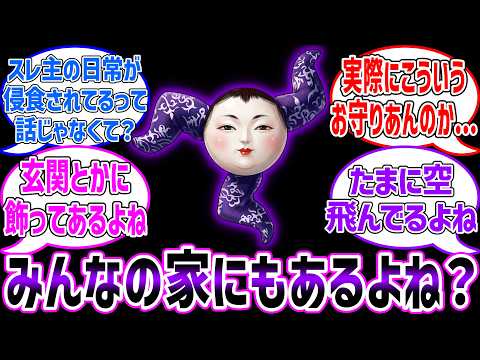
A seemingly casual line in Fate/Grand Order’s Halloween event—”Everyone had one of these charms at home, right?”—resonated with thousands of players by bridging the gap between game fiction and real-world Japanese cultural memory. The moment exemplifies how modern game writing creates emotional connection by acknowledging players’ lived experiences.
What Happened
During Fate/Grand Order’s Halloween event, a character delivers a simple but poignant line referencing a protective charm (omamori), asking players if they remember seeing similar items in their childhood homes. The line generated widespread discussion across social media, gaming forums, and video comment sections, with players sharing personal memories of encountering these charms in their own families’ homes. The reaction demonstrates how a single piece of dialogue can trigger collective cultural recognition among a game’s playerbase.
Why It Matters
This moment reveals a significant evolution in video game narrative design. Rather than simply depicting Japanese culture as exotic or foreign elements within a fantasy setting, the line directly addresses players’ personal experiences, creating what can be termed “cultural empathy.” For a game with millions of players worldwide, this approach signals a mature understanding of how to honor regional cultures while maintaining universal appeal. The response also illustrates how contemporary players value narrative sophistication and cultural awareness in game writing, elevating these elements above pure entertainment value.
Background
Fate/Grand Order, which launched in 2015, has become one of Japan’s most successful mobile games. The game blends Western fantasy elements—including Halloween celebrations—with Japanese cultural references. The Halloween event in question represents years of iterative development in the game’s approach to seasonal events. Since 2017, the game’s writers have consistently explored how different cultural traditions intersect and coexist within the game’s narrative framework. The protective charm (omamori) is a traditional Japanese item commonly found in homes, temples, and shrines, making it a potent symbol of shared cultural memory for Japanese players.
Key Points
- Direct appeal to personal memory: The line “Everyone had one of these charms at home, right?” functions as a direct question to players, inviting them to recall their own experiences rather than simply observing a narrative event.
- Cultural integration within Western context: By introducing a distinctly Japanese cultural element within a Western-themed Halloween event, the game demonstrates sophisticated cultural layering and respect for player diversity.
- Character development through dialogue: The line reveals something about the character who speaks it—their familiarity with Japanese culture and their awareness of shared player experiences—without explicit exposition.
- Emotional resonance across platforms: The reaction spread across Twitter, Reddit, YouTube, and other platforms, indicating the line’s universal appeal to the game’s Japanese playerbase while remaining accessible to international audiences.
- Evolution of game narrative design: The approach represents a shift from purely descriptive cultural references toward interactive, experience-based narrative techniques that acknowledge player agency and memory.
- Community validation: Players responded not just with nostalgia but with analytical appreciation, recognizing the sophistication of the writing technique itself.
Timeline
- 2004: Fate/stay night releases with Japanese cultural references, establishing the franchise’s approach to blending fantasy and cultural elements.
- 2015: Fate/Grand Order launches, beginning its long-term service model with seasonal events.
- 2017–2021: Halloween events establish a pattern of exploring cultural fusion themes.
- 2022–2024: Game narrative shifts toward emphasizing personal player connections and lived experience.
- 2024: The specific Halloween event featuring the protective charm line generates significant player engagement and discussion.
Perspectives
Player Perspective: Responses on social media reveal players experienced genuine emotional recognition. Comments like “My memories of home came back” and “This game understands our culture” indicate the line succeeded in creating what researchers call “cultural affirmation”—the feeling that one’s own background is acknowledged and valued within a fictional space.
Narrative Design Perspective: From a writing standpoint, the line exemplifies advanced technique. Rather than explaining what a protective charm is or why it matters, the dialogue assumes player knowledge and invites participation. This approach requires confidence in the audience’s cultural literacy and creates a more sophisticated emotional transaction than exposition-heavy alternatives.
Comparative Analysis: Similar techniques appear in other acclaimed games. Persona 4 (2008) integrated Japanese festivals naturally into its narrative. Final Fantasy XV (2016) bridged fiction and reality by including real-world locations. However, Fate/Grand Order’s approach differs by directly addressing the player’s personal experience rather than simply depicting cultural elements within the game world.
International Player Perspective: Some non-Japanese players noted the line might feel exclusionary or difficult to understand without cultural context. This observation highlights the deliberate choice to prioritize Japanese player experience within a global game, a strategic decision that reflects the game’s primary market.
Insights
This moment demonstrates that modern game audiences, particularly long-term players of service games like Fate/Grand Order, value narrative sophistication and cultural awareness. The reaction suggests players increasingly expect games to acknowledge their lived experiences and cultural backgrounds, moving beyond surface-level representation toward genuine integration.
The success of this single line also reflects broader industry trends. Between 2019 and 2021, games prioritized immersion through graphics and complex storytelling. Since 2022, successful titles have shifted focus toward creating personal connections between players and game worlds. This reflects player maturation—audiences now seek emotional resonance rooted in recognition of their own experiences rather than escape into purely fantastical settings.
For game developers, the lesson is clear: acknowledging player identity and experience creates stronger emotional bonds than elaborate world-building alone. The protective charm line required no special animation, no dramatic music, and no complex mechanics—only thoughtful writing that recognized players as individuals with memories and cultural contexts worth honoring.
Looking forward, this approach suggests games will increasingly function as spaces where players’ real-world identities and experiences are validated and integrated into fictional narratives. For a medium often criticized as escapist, this represents a meaningful evolution toward games that engage with rather than ignore the lives players actually live.