▶ Watch the original YouTube video
Community Reacts to Symboli Rudolf’s New Costume in Uma Musume: Pretty Derby
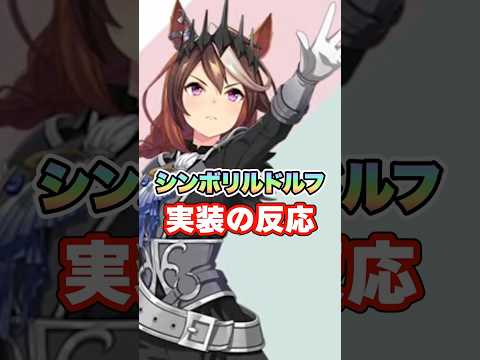
Uma Musume: Pretty Derby announced a new costume for the popular character Symboli Rudolf, sparking diverse reactions from the gaming community. The costume implementation reveals deeper insights into how players perceive character prioritization and the relationship between fan investment and developer support.
What Happened
Symboli Rudolf, a high-tier character in Uma Musume: Pretty Derby, received a new costume outfit as part of a game update. The announcement generated significant discussion across social media platforms and gaming forums, with players expressing varied opinions about the design, timing, and implications of the implementation.
Why It Matters
In character-driven games like Uma Musume, costume implementations serve as more than aesthetic updates—they function as indicators of developer prioritization and character favorability. For players who invest emotionally and financially in specific characters, costume releases represent tangible validation of their “favorite horse” status. The timing and frequency of costume updates directly influence player engagement, retention, and community satisfaction.
Background
Symboli Rudolf is based on a legendary racehorse that competed from 1984 to 1987, winning numerous prestigious races including the Japan Derby and Japan Cup. In Uma Musume, she is implemented as a high-ability character. The game’s costume system differs significantly from other character-focused titles: costume implementation schedules function as visible markers of which characters receive developer investment and attention.
The costume system in Uma Musume operates differently than comparable games. Unlike “The Idolmaster: Cinderella Girls,” which uses player voting to determine costume priorities, or “Love Live! School Idol Festival,” which ties costumes to story progression, Uma Musume’s costume implementation relies primarily on developer judgment. This lack of transparency creates gaps between player expectations and actual releases.
Key Points
- Costume as Developer Signal: New costume implementations communicate developer evaluation of character importance to the player base
- Transparency Gap: Unlike voting-based systems in other games, Uma Musume’s costume schedule lacks clear public criteria, generating speculation and debate
- Community Investment: Players actively monitor costume release intervals to gauge their favorite characters’ prioritization levels
- Diverse Reactions: Community responses ranged from enthusiastic support to design criticism and questions about prioritization fairness
- Character Psychology: Costume designs often reflect character development arcs, making design choices significant to narrative interpretation
- Fan Culture Dynamics: The “favorite horse” culture central to Uma Musume makes players highly sensitive to perceived favoritism in costume allocation
Community Response Analysis
On Twitter, players expressed anticipation with comments like “Symboli Rudolf’s new costume finally arrived!” However, some players noted the design differed from their expectations. Discussion on 4chan-style forums focused on analytical observations about developer priorities and character evaluation strategies.
Positive responses highlighted appreciation for the costume’s representation of character growth and new character facets. Critical responses questioned whether other characters deserved priority and raised concerns about design concept clarity.
The intensity of discussion reflects Uma Musume’s core appeal: a community built around individual character devotion. Each player invests in different characters, making them acutely aware of how their chosen character ranks in developer prioritization.
Comparative Game Industry Context
Analysis of costume implementation strategies across similar games reveals distinct approaches:
| Game Title | Costume Implementation Basis | Player Satisfaction Level | Prioritization Transparency |
|---|---|---|---|
| The Idolmaster: Cinderella Girls | Player voting + sales data | High (voting system provides legitimacy) | Clear |
| Love Live! School Idol Festival | Story progression | Moderate (narrative consistency valued) | Story-based logic |
| Uma Musume: Pretty Derby | Developer discretion + schedule | Variable (transparency concerns) | Low (inferred from implementation intervals) |
Psychological Dimensions
The strong community reaction to Symboli Rudolf’s costume reveals fundamental fan psychology in character-driven games. Players consistently seek visible confirmation that their favorite characters receive developer support and investment. Costume releases provide the most direct evidence of this prioritization.
Long gaps between costume implementations for specific characters generate anxiety among dedicated fans, who interpret delays as signals of lower developer regard. Conversely, costume announcements function as reassurance that the developer values the character and justifies continued player investment.
Symboli Rudolf’s costume implementation addresses this psychological need directly, functioning as developer communication: “This character matters to us.”
Industry Trends and Future Implications
Since 2023, Uma Musume’s developer has shown increased emphasis on “character diversity” in costume allocation, shifting from early-stage focus on main characters toward investment in supporting cast members. This strategic shift suggests awareness of community demands for broader character representation.
Monitoring Symboli Rudolf’s future costume implementation intervals will serve as a key indicator of sustained developer commitment. Industry standards suggest top-tier characters receive costume updates every 3-4 months. Maintaining this schedule would confirm Symboli Rudolf’s sustained prioritization.
Insights
Symboli Rudolf’s new costume represents more than a visual update—it exemplifies the complex interplay between fan psychology, developer strategy, and community culture in modern character-driven games. The intensity of community discussion reveals that Uma Musume players view costume implementations as transparent signals of character valuation.
The costume system exposes a broader tension in game community management: players crave transparency and clear prioritization criteria, yet many developers rely on discretionary scheduling. This gap between player expectations and developer communication creates recurring cycles of anticipation, speculation, and debate.
Uma Musume succeeds not simply as a character collection game, but as a community experience where fan devotion and developer support mutually reinforce engagement. Each costume announcement becomes a moment where the developer’s priorities become visible to the entire community, influencing both individual player satisfaction and broader community sentiment.
For players seeking deeper engagement with Uma Musume, understanding costume implementation as narrative and strategic communication—rather than mere aesthetic addition—unlocks richer appreciation of both character development and developer decision-making processes.