▶ Watch the original YouTube video
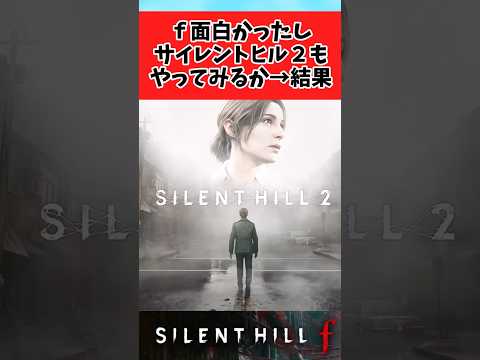
The release of Silent Hill f has sparked a notable trend among players: newcomers to the franchise are increasingly revisiting Silent Hill 2, the 2001 masterpiece widely considered the series’ peak. This phenomenon reveals how modern horror game design can bridge generational gaps and reignite interest in classic titles through psychological storytelling.
What Happened
Following the 2024 release of Silent Hill f, gaming communities across Twitter, Reddit, and YouTube have documented a significant surge in players transitioning from the new title to Silent Hill 2. The pattern is consistent: players captivated by f’s psychological horror approach are discovering that the 23-year-old predecessor remains remarkably effective at delivering deep, character-driven terror. This reverse chronological progression—from new to old—is unusual in gaming, where visual fidelity typically determines player interest.
Why It Matters
This trend demonstrates that horror game design has fundamentally shifted away from combat-focused scares toward psychological and environmental dread. For the Silent Hill franchise, it validates the core design philosophy that made the series influential: that internal character conflict and atmosphere matter more than external threats. The phenomenon also suggests that f’s success as an entry point could determine the franchise’s future trajectory, either deepening engagement with the series’ legacy or potentially diluting its artistic identity through commercialization.
Background
Silent Hill 2, released in 2001 for PlayStation 2, established the franchise’s reputation for psychological horror by focusing on protagonist James Sunderland’s internal guilt and obsession rather than combat encounters. The game’s narrative structure, multiple endings, and atmospheric design created a template that influenced horror gaming for decades. Silent Hill f, released in 2024, employs modern graphics and sound design to create psychological unease through environmental storytelling and character perspective shifts, rather than enemy encounters. The 23-year gap between these titles represents significant technological advancement, yet both games prioritize mental anguish over action-based gameplay.
Key Points
- Silent Hill f functions as an effective entry point for new players by establishing psychological horror through atmosphere and exploration rather than combat
- Players who complete f frequently pursue Silent Hill 2, demonstrating that older titles retain artistic value independent of graphical fidelity
- The two games represent different approaches to fear: f emphasizes external environmental dread, while Silent Hill 2 explores internal character psychology
- Social media analysis reveals predominantly positive reception to this cross-generational engagement, though some longtime fans express concern about franchise simplification
- The series demonstrates a 23-year evolution in horror game design that ultimately circles back to prioritizing psychological depth over technological spectacle
- Multiple endings and player choice mechanics in Silent Hill 2 create replayability that modern players find surprisingly engaging despite dated graphics
Timeline
- 2001: Silent Hill 2 releases on PlayStation 2, establishing the franchise’s psychological horror foundation
- 2000s-2010s: Horror gaming industry gradually shifts emphasis from combat encounters toward psychological and environmental storytelling
- 2024: Silent Hill f releases with modern technology, employing psychological horror principles similar to Silent Hill 2
- Post-2024: Social media documents increased player migration from Silent Hill f to Silent Hill 2
Perspectives
Community responses to this trend vary significantly. On Twitter and YouTube, new players express genuine surprise at Silent Hill 2’s narrative depth and emotional impact, with comments emphasizing that the 20-year-old game feels contemporary in its psychological storytelling. These players often describe f as an effective gateway that taught them to appreciate horror without combat mechanics. Conversely, discussion forums like 5channel feature more critical perspectives, with veteran players arguing that f oversimplifies the franchise and that newcomers should experience the original Silent Hill before attempting the sequel. YouTube comments predominantly celebrate the series’ artistic consistency, with viewers noting that Silent Hill 2’s PS2-era aesthetic actually feels refreshing after experiencing f’s hyperrealistic graphics. This divergence suggests that player background significantly influences how they interpret the franchise’s evolution.
Insights
The Silent Hill f phenomenon reveals that horror game design has matured beyond graphical innovation as the primary driver of player engagement. Both f and Silent Hill 2 succeed because they prioritize internal character conflict and environmental atmosphere over external threats—a design philosophy that transcends technological generations. The franchise’s ability to attract new players through a modern title and retain them through a 23-year-old predecessor suggests that psychological horror possesses timeless appeal when executed with artistic integrity. However, this success creates a tension: as f introduces larger audiences to the series, there is risk that future installments might prioritize commercial accessibility over the deliberate difficulty and narrative ambiguity that defined Silent Hill 2. The series’ future depends on whether developers can maintain the psychological depth that made the original compelling while leveraging modern technology to reach contemporary audiences. For now, the cross-generational engagement demonstrates that Silent Hill’s core strength—exploring human psychology through interactive narrative—remains as relevant today as it was two decades ago.
Practical Guide: How to Experience the Silent Hill Series
For players interested in following this trajectory, several recommendations enhance the experience. First, approach Silent Hill 2 without guides or walkthroughs, as the game’s multiple endings are determined by player choices and actions; relying on external guidance diminishes the psychological impact of these branching narratives. Second, commit to experiencing multiple endings, as each conclusion provides distinct emotional resonance based on different playstyles and moral choices. Third, familiarize yourself with the series’ background mythology before playing—understanding Silent Hill’s supernatural history and the town’s role in the narrative significantly increases immersion. Finally, if Silent Hill 2 resonates, consider playing the original Silent Hill to experience the franchise’s evolution firsthand; while more cryptic and unforgiving than its sequel, the first game offers substantial satisfaction upon completion and contextualizes the series’ artistic development.