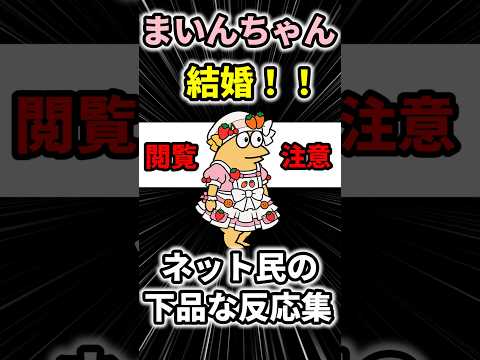
▶ Watch the original YouTube video
How Internet Users Reacted to Mein-chan’s Marriage: A Shift in Fan Culture and Psychology
The announcement of Mein-chan’s marriage sparked a notably positive response from internet users, revealing a significant generational shift in how fans perceive idol relationships. Unlike past celebrity marriage announcements that triggered backlash, this event demonstrates the maturation of fan culture and changing social values around personal autonomy and happiness.
- What Happened
- Why It Matters
- Background
- Key Points
- Evolution of Fan Psychology: A 12-Year Comparison
- Three Layers of Fan Response
- Underlying Social and Psychological Factors
- Specific Online Reactions
- Implications for Future Idol Culture
- Practical Guidance for Sustainable Fan Engagement
- Insights and Broader Implications
What Happened
Mein-chan, a long-standing character from a children’s educational television program who has been part of Japanese popular culture since 2008, announced her marriage. The announcement generated substantial online discussion across social media platforms including Twitter, Instagram, and YouTube. Rather than the hostile backlash that characterized similar announcements in previous decades, the response was predominantly positive, with expressions of congratulations and support dominating the conversation.
Why It Matters
This reaction represents a watershed moment in Japanese fan culture and idol fandom. The shift from criticism to celebration reflects broader changes in how society views women’s autonomy, personal happiness, and the relationship between fans and the celebrities they support. The response indicates that fan psychology has evolved from viewing idols as possessions to viewing them as individuals deserving of happiness and life choices. This transformation has implications for how the entertainment industry will operate in the coming decades and how fan communities will engage with their favorite personalities.
Background
Mein-chan emerged as a recognizable cultural figure in 2008 as the mascot character of a children’s educational program. Over the past 16 years, she has maintained a presence in Japanese media and has accumulated a dedicated fanbase spanning multiple generations. The evolution of fan culture during this period has been dramatic. In the early 2010s, idol marriage announcements typically triggered intense negative reactions, with fans expressing anger and feelings of betrayal. However, the landscape has shifted considerably.
The transformation reflects several converging trends: the maturation of “oshi-katsudou” (fan support activities), generational turnover among fans, the rise of social media enabling diverse viewpoints, and broader societal shifts in gender consciousness and individual autonomy. Fans who watched Mein-chan as children are now adults, many with their own families, bringing more mature perspectives to their fandom.
Key Points
- Internet reactions to Mein-chan’s marriage fell into three categories: genuine celebration, complex emotions balanced with support, and calm acceptance—with criticism representing a small minority
- Unlike marriage announcements from the early 2010s, which generated intense backlash, this announcement saw predominantly positive responses, indicating fundamental changes in fan psychology
- The shift reflects the maturation of fan culture, where supporting an idol’s personal happiness has become the mainstream value rather than viewing their romantic relationships as betrayals
- Social media’s multi-platform ecosystem has enabled diverse opinions to coexist, fostering a more tolerant fan culture that accepts varying perspectives
- Generational change has been crucial—fans who grew up with Mein-chan now prioritize the idol’s overall life satisfaction over possessive attachment
- The phenomenon suggests Japanese idol culture is undergoing a fundamental transformation toward healthier, more mature fan-celebrity relationships
Evolution of Fan Psychology: A 12-Year Comparison
| Period | Primary Reaction | Fan Psychology | Cultural Context |
|---|---|---|---|
| Around 2012 | Intense anger and criticism | Idol viewed as possession | Early era of idol culture |
| Around 2018 | Increased celebration, some criticism | Idol viewed as support subject (transitional) | Rapid maturation of fan support culture |
| 2024 | Celebration is mainstream, criticism is minority | Idol viewed as support subject (established) | Pluralistic fan culture established |
Three Layers of Fan Response
Analysis of internet reactions reveals three distinct psychological responses. The first layer consists of fans offering genuine congratulations, viewing the marriage as a positive development in the idol’s life. This represents the largest segment of responses and marks a departure from historical patterns.
The second layer comprises fans experiencing complex emotions—happiness for the idol tempered by personal feelings of loss or change. These responses demonstrate psychological maturity, acknowledging that supporting someone’s happiness can coexist with experiencing one’s own complicated feelings. This nuanced response was rare in earlier idol marriage announcements.
The third layer includes fans calmly accepting the news without strong emotional reactions either way. This pragmatic stance reflects a normalized view of idol relationships as a natural part of life rather than a crisis.
Underlying Social and Psychological Factors
Maturation of Fan Support Culture: The concept of “oshi-katsudou” (fan support activities) has evolved significantly since the mid-2010s. Modern fan support emphasizes the overall life satisfaction of the idol rather than possessive attachment. Fans increasingly view their role as supporters of another person’s happiness rather than consumers of a product.
Generational Shift: Fans who encountered Mein-chan during childhood are now adults and parents themselves. This generational transition has brought more mature perspectives to fandom. The value system has shifted from “idols should not have romantic relationships” to “I support my idol’s personal happiness.”
Gender Consciousness Evolution: Japanese society has experienced significant shifts in gender awareness since the early 2010s. The outdated expectation that female idols must remain romantically unavailable has given way to recognition that women deserve autonomy in their personal life choices. This societal change directly influences how fans respond to idol relationships.
Psychological Knowledge Dissemination: Since 2015, psychological concepts have spread widely through social media. Understanding that fan support activities can enhance self-esteem and mental health has contributed to more rational, science-informed fan psychology. This has replaced purely emotional reactions with more reflective responses.
Multi-Platform Pluralism: The era of single-source media has ended. Twitter, Instagram, TikTok, and YouTube host simultaneous conversations where diverse opinions coexist. This pluralistic environment has normalized acceptance of different viewpoints, creating a culture more tolerant of varying fan perspectives.
Specific Online Reactions
Twitter responses predominantly featured messages like “Congratulations to Mein-chan!” and “I support my idol’s happiness.” These reactions characterize the marriage as progress in the idol’s life rather than loss for the fan. This perspective represents a fundamental departure from early 2010s responses.
Fans expressing complex emotions wrote messages such as “I want to congratulate her, but I have mixed feelings” and “I want to support her happiness while also feeling sadness.” These thoughtful responses indicate psychological sophistication and emotional maturity in modern fandom.
A notable minority expressed criticism, but these voices faced pushback from the broader community. The social atmosphere within fan communities actively discouraged negativity, suggesting that fan culture as a whole has established new norms around celebrating idol happiness.
Remarkably, some fans extended congratulations to Mein-chan’s spouse, viewing the marriage partner as someone contributing to the idol’s happiness. This represents perhaps the most mature evolution—from viewing romantic partners as rivals to viewing them as allies in the idol’s wellbeing.
Implications for Future Idol Culture
Based on current trends, the normalization of celebrating idol marriages will likely accelerate over the next five to ten years. By the 2030s, expressing criticism of an idol’s marriage may become socially unacceptable within fan communities, representing a complete reversal from early 2010s norms.
The concept of “oshi” (one’s favorite idol) will continue diversifying. The traditional model of supporting a single idol is evolving toward supporting multiple idols or even virtual characters. This pluralistic approach to fandom reduces dependency on any single figure and creates more resilient fan communities.
Fan demographics are aging. Where idol fandom once centered on teenagers and young adults, fans now span from teens to people in their fifties and beyond. This demographic shift naturally produces more mature, rational fan psychology. As fans age, their capacity for understanding and supporting idols’ personal autonomy increases.
Practical Guidance for Sustainable Fan Engagement
Prioritize the Idol’s Overall Happiness: Rather than viewing an idol’s marriage as the end of your fan experience, reframe it as evidence that your support has contributed to their ability to pursue happiness. This perspective shift transforms a potentially painful event into a source of satisfaction. The transition from “my fan life has ended” to “my idol has found happiness” fundamentally improves the sustainability of fandom.
Maintain Multiple Interests: Supporting multiple idols or entertainment figures serves as psychological protection. When one idol’s life changes, other sources of fan engagement remain available. This diversification prevents unhealthy dependency and creates more resilient fan communities. Long-term fans typically maintain interest in several figures rather than investing exclusively in one.
Engage with Fan Communities Thoughtfully: Fan support is not a solitary activity. Relationships with other fans provide crucial emotional support, particularly during significant events like marriage announcements. Communities that support members through complex emotions create healthier fandom environments. Shared experiences with fellow fans transform individual reactions into collective growth.
Deepen Your Understanding of Fan Psychology: Reading literature and articles about fan psychology and support culture provides frameworks for understanding your own responses. This self-awareness enables more intentional, mature engagement with fandom. Many fans who have studied fan psychology report more satisfying long-term fan experiences.
Insights and Broader Implications
The response to Mein-chan’s marriage announcement provides clear evidence that Japanese fan culture has matured significantly over the past 16 years. The shift from viewing idols as possessions to viewing them as individuals deserving of happiness reflects not only changes in fandom but broader societal evolution toward respecting personal autonomy and individual choice.
This transformation is not inevitable or universal—it represents conscious cultural development. The fact that fan communities now actively discourage negative responses to idol marriages indicates that new social norms have been established and are being enforced by the community itself.
However, one concern warrants attention: the potential for intolerance toward dissenting opinions. Healthy fan culture requires space for diverse perspectives, including complex or critical viewpoints. While celebrating an idol’s happiness is positive, maintaining tolerance for fans who experience sadness or ambivalence is equally important for cultural maturity.
The phenomenon suggests that the entertainment industry’s relationship with fans will continue evolving. As fan psychology matures, the industry may need to adapt its approach to fan engagement, recognizing that modern fans seek more authentic, reciprocal relationships with the celebrities they support rather than parasocial possession dynamics.
Ultimately, the Mein-chan marriage announcement serves as a mirror reflecting Japanese society’s psychological development. The predominantly positive response demonstrates that supporting another person’s happiness has become a cultural value, even when that person holds special significance in one’s own life. This represents genuine progress in how communities can balance personal attachment with respect for individual autonomy.