▶ Watch the original YouTube video
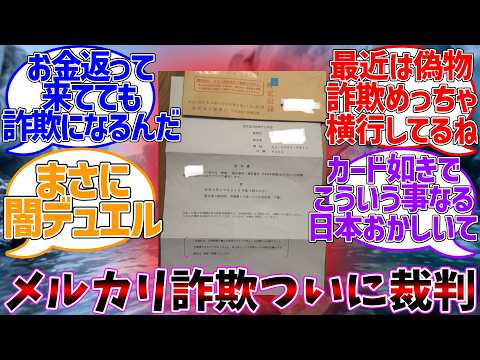
3.2 Million Yen Counterfeit TCG Card Fraud Case Heads to Court: Industry Faces Crisis of Trust
A major counterfeit trading card game (TCG) fraud case involving 3.2 million yen in fake cards sold on Mercari is escalating to litigation, exposing systemic vulnerabilities in Japan’s secondhand marketplace and raising alarms about the collapse of trust in the TCG market. The incident reflects a broader crisis in the industry as counterfeit technology advances and consumer confidence erodes.
What Happened
A significant fraud case has emerged on Mercari, Japan’s largest peer-to-peer marketplace, involving the sale of counterfeit TCG cards valued at approximately 3.2 million yen. The victim has filed criminal charges, and the case is now moving toward litigation. The counterfeit cards were sophisticated enough to deceive buyers at first glance, indicating a troubling evolution in forgery techniques. This incident has sparked widespread concern among TCG enthusiasts, content creators, and industry observers about the adequacy of platform safeguards and the broader integrity of the secondary TCG market.
Why It Matters
This case represents far more than a single fraud incident—it signals a fundamental crisis in the TCG market’s trust infrastructure. The sophistication of the counterfeit products suggests that high-quality forgeries are now circulating widely, putting ordinary consumers at severe risk. The incident exposes critical gaps in Mercari’s fraud detection and prevention systems, raising questions about whether major platforms are adequately equipped to protect users in high-value transactions. For the broader TCG industry, the case threatens consumer confidence at a critical moment when market growth depends on buyer trust. The convergence of rising card prices, advancing counterfeiting technology, and platform vulnerabilities creates a perfect storm that could fundamentally reshape the market.
Background
The TCG market has experienced dramatic transformation over the past five years. Following the 2020 Pokémon card boom, certain rare cards saw price increases exceeding 1000%. For example, the Pokémon Card 25th Anniversary Gold Box, originally priced at approximately 4,000 yen, briefly traded for over 200,000 yen. This explosive price growth created powerful financial incentives for counterfeiters. Simultaneously, printing and card manufacturing technologies have advanced significantly, making it increasingly possible for sophisticated operations—particularly in China and Southeast Asia—to produce near-perfect replicas that are virtually indistinguishable from authentic cards.
The secondary market for TCG cards has migrated heavily to peer-to-peer platforms like Mercari and Rakuma, which prioritize accessibility and user convenience over specialized authentication. This shift has democratized card trading but simultaneously created an environment where counterfeiters can operate with relative impunity. The knowledge gap between experienced collectors and casual buyers—including parents purchasing gifts and investment-focused buyers unfamiliar with physical verification—has widened, creating vulnerable consumer segments that fraudsters actively target.
Key Points
- Incident Scale: 3.2 million yen in counterfeit TCG cards sold on Mercari, with criminal charges filed and litigation expected
- Counterfeiting Evolution: Modern forgeries have reached a sophistication level where expert knowledge is often required to distinguish them from authentic cards
- Platform Vulnerabilities: Mercari’s identity verification is insufficient, high-value transactions lack special authentication protocols, and response times to fraud reports are slow
- Market Incentives: Profit margins for counterfeiters exceed 9,900% when 1,000-yen production costs yield 100,000-yen sales
- Consumer Confidence Crisis: Online discourse has shifted from enthusiasm about card openings to anxiety about authentication and fraud prevention
- Knowledge Disparity: Casual buyers, parents, international purchasers, and investment-focused consumers lack expertise to identify fakes, making them primary targets
Platform Comparison and Structural Issues
Mercari’s position as Japan’s largest peer-to-peer marketplace makes it particularly vulnerable to large-scale fraud. A comparative analysis reveals critical differences in fraud prevention approaches:
Mercari: Weak counterfeit protections, slow return responses, predominantly general-user base. Identity verification is optional, and high-value transactions receive no special authentication requirements.
Rakuma: Moderate protections and return handling, general-user focused.
Specialized TCG Buy-Back Sites: Strong authentication protocols, rapid resolution, collector-focused user base with higher expertise levels.
Yahoo Auctions: Moderate protections and handling, collector-focused.
Mercari’s structural weakness lies in its design philosophy: the platform prioritizes convenience and accessibility over specialized safeguards, creating an environment where counterfeiters can operate efficiently while legitimate buyers face substantial risk.
Root Causes of Counterfeit Proliferation
Price Inflation and Profit Incentives
The dramatic price appreciation of rare TCG cards has fundamentally altered the risk-reward calculus for counterfeiters. When a card with a 1,000-yen production cost can be sold for 100,000 yen or more, the profit margin becomes irresistible compared to other forms of fraud. This economic reality has attracted organized counterfeiting operations, particularly in regions with advanced manufacturing capabilities.
Manufacturing Technology Advancement
Modern printing and card production technology has democratized the ability to create high-quality replicas. Industry observers report that contemporary counterfeit cards now match authentic products in ways that require expert examination to distinguish. Specialized factories in Asia have reportedly developed capabilities that rival official manufacturing standards, fundamentally changing the threat landscape.
Consumer Knowledge Gaps
The TCG market’s rapid expansion has attracted diverse consumer segments: casual players, gift-buyers, investment-focused purchasers, and international customers. Many lack the specialized knowledge required to authenticate cards. This knowledge disparity creates a vulnerable population that counterfeiters actively exploit. Mercari’s broad user base amplifies this vulnerability by concentrating inexperienced buyers in a single platform.
Industry Response and Market Sentiment
Online Reactions
Twitter: Hashtags including #MercariCounterfeit and #TCGFraud have generated numerous victim testimonies, complaints about slow Mercari responses, and warnings against high-value purchases on the platform. Multiple users report abandoning Mercari for TCG purchases entirely.
YouTube Comments: Discussions emphasize that this case likely represents only the visible portion of a larger counterfeit problem. Viewers stress the necessity of professional authentication before high-value purchases and call for stronger official manufacturer responses.
Online Forums: Technical discussions about counterfeiting methods indicate that detailed information about production techniques is circulating, further suggesting that counterfeiting capabilities are advancing.
Sentiment Shift
Analysis of TCG-related content over recent years reveals a concerning psychological shift. In 2020, card-opening videos dominated with positive engagement. By 2021, counterfeit-related content increased significantly, with viewer comments reflecting growing anxiety. From 2022 onward, educational content about authentication and safe purchasing practices has proliferated. This trajectory indicates that consumer psychology has shifted from enthusiasm to apprehension—a dangerous development for market sustainability.
Predicted Market Evolution
Short-Term Impact (3-6 Months)
- Temporary decline in TCG transactions on peer-to-peer platforms
- Migration of high-value purchases toward specialized retailers and auction sites with stronger authentication
- Rapid increase in consumer interest in authentication methods and expert verification services
Medium-Term Impact (6 Months – 1 Year)
- Implementation of new authentication systems by Mercari and competitors
- Official manufacturers (Pokémon, Yu-Gi-Oh, etc.) strengthening authorized distribution channels
- TCG retail sector adopting more rigorous authentication standards
Long-Term Impact (1+ Years)
- Shift toward more transparent and technologically secured transaction systems industry-wide
- Technological and legal suppression of counterfeit distribution networks
- Potential temporary contraction in overall market size as confidence rebuilds
Practical Guidance for Consumers
Pre-Purchase Research
Thorough market research is essential. Cards priced significantly below market rates—particularly those 30% or more below comparable sales—warrant extreme caution. Recommended price verification sources include specialized TCG buy-back sites, Yahoo Auctions historical data, and Twitter accounts that track market pricing.
Seller Verification
Always examine seller ratings and history. Avoid sellers with fewer than 100 transactions, negative feedback ratios exceeding 5%, new seller status, or incomplete profile information. These indicators correlate strongly with fraudulent activity.
High-Value Purchase Protocol
For purchases exceeding 10,000 yen, professional authentication is strongly recommended. Options include in-person evaluation at specialized retailers, consultation with professional authenticators (available via YouTube and Twitter, sometimes for a fee), or pre-purchase expert review. The cost of professional consultation is negligible compared to potential fraud losses.
Return Policy Verification
Never purchase from sellers offering no-return policies. Return options are essential protection against counterfeit products. Verify return terms before committing to any transaction.
Physical Authentication Education
Develop personal authentication skills by examining authentic cards in person at retail locations. Key authentication indicators include:
- Card thickness and weight
- Print clarity, especially in fine text
- Edge finish quality
- Holographic texture and appearance
- Back-side print quality
Industry Recommendations
Official Manufacturer Actions
Pokémon, Yu-Gi-Oh, Magic: The Gathering, and other major publishers should prioritize transparency in authorized distribution, implement anti-counterfeiting technologies (QR codes, authentication seals), and establish clear authentication resources for consumers.
Platform Accountability
Mercari and similar platforms must implement specialized authentication requirements for high-value TCG transactions, potentially including mandatory professional verification for sales exceeding specified thresholds.
Consumer Education
The industry should collectively promote educational initiatives teaching consumers to identify counterfeits and execute safe purchasing practices. This represents an investment in market sustainability.
Insights
This fraud case represents a critical inflection point for the TCG market. The incident is not merely a criminal matter but rather a symptom of structural vulnerabilities that have accumulated as the market has rapidly expanded and transformed. The convergence of three factors—astronomical price appreciation creating powerful counterfeiting incentives, technological advancement enabling near-perfect replicas, and platform design prioritizing accessibility over authentication—has created an environment where large-scale fraud becomes inevitable.
The psychological shift evident in online discourse—from enthusiasm to anxiety—signals that consumer confidence is eroding. This represents an existential threat to market growth, as the TCG market fundamentally depends on buyer trust. The current trajectory suggests that without significant intervention, the market could experience contraction as risk-averse consumers migrate away from peer-to-peer platforms or abandon the hobby entirely.
However, this crisis also presents an opportunity. The litigation resulting from this case may catalyze necessary systemic reforms. Official manufacturers, platforms, and retailers have clear incentives to implement stronger authentication and transparency measures. Consumer education initiatives could rebuild confidence by empowering buyers with knowledge and verification tools. The market may ultimately emerge from this period with more robust safeguards, clearer authentication standards, and restored consumer confidence—but only if stakeholders respond decisively to the crisis.
For TCG enthusiasts and collectors, the fundamental message is clear: the market’s future depends on collective commitment to authenticity. Supporting authorized retailers, verifying purchases through professional channels, and rejecting counterfeit products are not merely individual consumer choices—they are investments in the long-term health of a cultural phenomenon that has brought joy to millions. The TCG market’s next chapter will be determined by whether stakeholders prioritize short-term profit extraction or long-term market sustainability.