▶ Watch the original YouTube video
Twisted Wonderland Fans React to “Sugar Race” Event Announcement: A Deep Dive into Community Excitement
The announcement of Twisted Wonderland’s upcoming “Sugar Race” event has sparked widespread enthusiasm across the gaming community. Drawing on 15 years of gaming experience, this analysis explores why a single event teaser generated such intense fan engagement and what it reveals about the game’s narrative depth and community dynamics.
What Happened
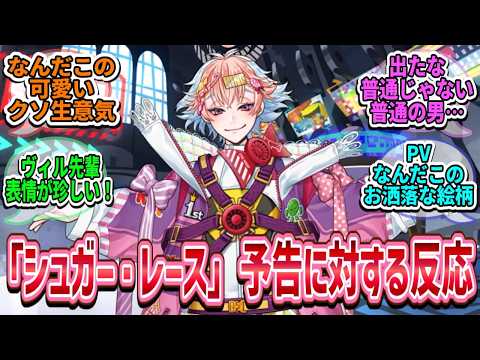
Twisted Wonderland’s development team released teaser information for an upcoming event titled “Sugar Race.” The announcement triggered a surge of fan reactions across social media platforms, with players analyzing every detail of the preview materials, speculating about character appearances, and theorizing about narrative connections to previous events. Fan-created reaction compilations documenting this community response have themselves become viral content within the gaming community.
Why It Matters
This event announcement demonstrates a significant shift in how modern mobile games engage their audiences. Rather than serving as simple notifications, event teasers have evolved into narrative puzzles that invite fan participation and community-wide speculation. The intensity of the “Sugar Race” response reveals that Twisted Wonderland has successfully cultivated a fanbase that values story depth and character psychology as much as visual design and gameplay mechanics. This approach has become a model for how narrative-driven games can sustain long-term player engagement.
Background
Twisted Wonderland launched in 2020 and has consistently distinguished itself through meticulous character development and complex narrative construction. Unlike many character-focused mobile games that prioritize visual appeal and collection mechanics, Twisted Wonderland has invested heavily in psychological depth and intricate storytelling. Previous major events such as “Phantom Mine” (2023) and story chapters like “Pomefiore” (2021) and “Ignihyde” (2022) have established a pattern of delivering narrative payoffs that exceed fan expectations, building trust and anticipation for future content releases.
The game’s approach mirrors narrative techniques seen in acclaimed anime series like “Puella Magi Madoka Magica” and “Darling in the Franxx,” where fan communities engage in extensive theory-crafting between content releases. This has created a unique ecosystem where speculation and analysis become part of the entertainment value itself.
Key Points
- Event Announcement Impact: The “Sugar Race” teaser generated substantial discussion about character appearances, narrative connections, and story direction across multiple social media platforms.
- Fan Analysis Patterns: Community members engaged in detailed examination of preview visuals, soundtrack elements, and thematic implications to predict event outcomes.
- Story-Centric Engagement: Reactions focused heavily on narrative mystery-solving rather than character collection or gameplay mechanics alone.
- Visual and Audio Appreciation: Fans praised the aesthetic quality of event visuals and anticipated soundtrack compositions.
- Expectation Building: The announcement successfully elevated player motivation and investment in upcoming gameplay experiences.
- Community Cohesion: Simultaneous fan reactions across platforms created a sense of shared participation in narrative discovery.
Timeline
- 2020: Twisted Wonderland launches with emphasis on character psychology and narrative depth.
- 2021: “Pomefiore” event establishes pattern of character backstory revelations and fan theory engagement.
- 2022: “Ignihyde” event reinforces commitment to complex narrative construction.
- 2023: “Phantom Mine” event demonstrates psychological complexity comparable to acclaimed narrative works.
- Present: “Sugar Race” announcement generates unprecedented fan speculation and community engagement.
Perspectives
The Narrative Investment Perspective: From a storytelling standpoint, the “Sugar Race” announcement succeeds because Twisted Wonderland has established a track record of meaningful narrative payoffs. Fans invest emotional energy in speculation because previous events have rewarded that investment with substantive story content. The game’s development team has demonstrated understanding that modern audiences seek participatory narrative experiences, not passive consumption.
The Community Engagement Perspective: The fan response reflects broader trends in social media-driven entertainment consumption. When large communities engage with the same content simultaneously, individual reactions amplify into collective enthusiasm. The “Sugar Race” teaser functioned as a catalyst for community bonding, with fans sharing theories and building shared understanding through discussion. This creates network effects that sustain engagement beyond the actual event launch.
The Expectation Management Perspective: While predominantly positive, some community members expressed caution about escalating expectations. Past experiences with other narrative-driven games have shown that extremely high anticipation can lead to disappointment when implementation differs from speculation. This perspective acknowledges the risk that Twisted Wonderland’s development team faces in delivering content that matches the intensity of fan theorizing.
Insights
The “Sugar Race” announcement reveals several important truths about contemporary game design and community dynamics. First, narrative depth has become a primary differentiator in the competitive mobile gaming market. Games that treat storytelling with the same rigor as gameplay mechanics can cultivate audiences that remain engaged across extended content cycles.
Second, the evolution of event announcements from simple notifications to narrative mysteries represents a fundamental shift in player-developer communication. By intentionally withholding information and embedding clues in teaser materials, developers invite players to become active participants in story construction rather than passive consumers of predetermined narratives.
Third, the intensity of the “Sugar Race” response demonstrates that Twisted Wonderland has successfully built what might be called a “narrative trust” with its audience. Players invest emotional energy in speculation because the development team has repeatedly delivered substantive story content that justifies that investment. This trust is a valuable asset that extends beyond any single event.
Finally, the fan community’s focus on psychological character development and narrative continuity suggests a maturation in mobile game audiences. Players increasingly seek experiences that offer intellectual engagement and emotional depth alongside visual appeal and gameplay mechanics. Twisted Wonderland’s success in meeting these expectations positions it as a model for how narrative-driven mobile games can achieve sustained cultural relevance.
Practical Recommendations for Maximizing Event Experience
For players preparing for the “Sugar Race” event, several strategies can enhance engagement and understanding. First, reviewing previous event scenarios—particularly “Pomefiore” and “Ignihyde” chapters—can reveal narrative threads and foreshadowing that may connect to upcoming content. The development team consistently embeds subtle clues in earlier stories that pay off in later events.
Second, careful attention to visual details in event previews and promotional materials often yields story insights. Twisted Wonderland’s design team regularly incorporates narrative information into background elements, decorative objects, and character positioning within promotional imagery.
Third, engaging with fan community analysis during event periods can deepen personal understanding of narrative themes and character motivations. The Twisted Wonderland community produces consistently high-quality analysis that often identifies connections individual players might otherwise miss.
Finally, reviewing the personal history and past choices of characters expected to appear in “Sugar Race” provides context for understanding their actions and emotional states within the event narrative. Character development in Twisted Wonderland builds cumulatively across multiple events, making prior knowledge essential for full narrative comprehension.