▶ Watch the original YouTube video
Why Uma Musume’s Cryptic Line “Only I Know…” Sparked Emotional Reactions Across the Internet
A seemingly simple line from the character Karen Bokeh Doll in Uma Musume Pretty Derby has become a viral moment, generating reaction compilations and deep fan analysis. The phrase’s power lies in its intentional incompleteness, inviting viewers to project their own experiences onto the character’s hidden inner world.
What Happened
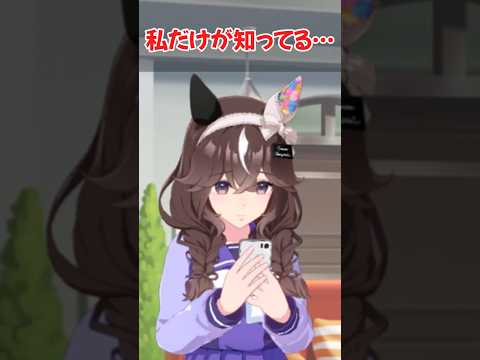
The character Karen Bokeh Doll from the game and anime Uma Musume Pretty Derby delivered a brief, haunting line: “Only I know…” The phrase, left deliberately unfinished, has resonated deeply with audiences, spawning reaction compilation videos and extensive online discussion. Viewers have reported emotional responses ranging from tears to profound introspection, making this moment a significant cultural touchstone within the Uma Musume fanbase.
Why It Matters
This moment exemplifies how modern anime and game storytelling has evolved to prioritize viewer imagination over explicit exposition. The line demonstrates sophisticated narrative design that respects audience intelligence and emotional capacity. In an era of content saturation, the ability to create meaningful emotional impact through minimalist dialogue has become a valuable skill in entertainment production. The viral nature of this reaction suggests audiences are hungry for content that invites personal interpretation rather than spoon-feeding narrative conclusions.
Background
Uma Musume Pretty Derby is a multimedia franchise spanning games, anime, manga, and novels. The series reimagines famous racehorses as anthropomorphic characters competing in a high school setting. Karen Bokeh Doll is characterized as an elegant, graceful character with hidden depths and internal struggles. The line “Only I know…” appears in a scene where the character confronts her private emotional world, a moment carefully constructed through multiple media appearances that have built viewer investment in her character arc over time.
Key Points
- The phrase “Only I know…” gains power through intentional incompleteness, employing the Japanese aesthetic principle of “ma” (negative space) to invite viewer imagination
- Viewer reactions consistently follow three emotional stages: initial dissonance, speculation about hidden meaning, and personal resonance with the character’s implied struggle
- Uma Musume’s multi-media strategy creates cumulative emotional investment through repeated character encounters across games, anime, and spinoff works
- The line’s effectiveness stems from psychological principles including the “mere exposure effect” and intentionally created “cognitive dissonance” that amplifies emotional response
- Reaction compilation videos serve as modern communal spaces for shared emotional experience, validating individual responses and creating collective meaning
- The cryptic nature of the line mirrors contemporary anime and game industry trends favoring implicit storytelling over explicit exposition
Timeline
- 2021: Uma Musume Pretty Derby anime broadcast introduces the franchise to wider audiences
- Ongoing: Character development across multiple media platforms builds viewer attachment to Karen Bokeh Doll
- Recent: The “Only I know…” scene generates significant online discussion and reaction compilations
- Present: Continued fan analysis and speculation about the line’s deeper meaning and potential narrative resolution
Perspectives
From a narrative design perspective, the line represents sophisticated storytelling that trusts audiences to complete meaning through their own experience. Psychologically, the phrase creates a tension between desire for knowledge and inability to access it, amplifying emotional engagement. From a cultural standpoint, the reaction compilations reflect how digital communities create shared emotional experiences and validate individual responses through collective viewing. Industry observers note this approach aligns with broader trends in premium anime and games that prioritize character interiority and viewer agency over plot exposition. Some viewers interpret the line as an invitation for self-reflection, questioning what secrets and struggles they themselves carry privately.
Insights
The viral success of this moment reveals fundamental truths about contemporary entertainment consumption. Audiences increasingly value content that respects their intelligence and emotional maturity by leaving space for interpretation. The “only I know” line succeeds precisely because it refuses to explain itself, allowing each viewer to project their own experiences of isolation, hidden struggle, and internal conflict onto the character. This represents a maturation of storytelling craft in anime and gaming, where the most powerful moments often communicate through absence rather than presence. The reaction compilation format itself has become a legitimate cultural artifact, serving as a modern equivalent of shared communal experiences, where individual emotional responses are validated and amplified through collective witnessing. The phenomenon demonstrates that in an oversaturated media landscape, the most memorable moments are often those that invite rather than dictate meaning.