▶ Watch the original YouTube video
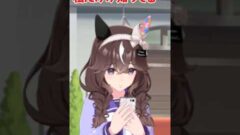
The implementation of Karen Bouquet’s new “Bouquet Tore” outfit in Uma Musume Pretty Derby has sparked intense debate within the gaming community. This outfit represents more than a simple cosmetic change—it signals a significant reinterpretation of the character that has divided fans between celebration and confusion, reflecting deeper questions about character identity and creative intent.
What Happened
Uma Musume Pretty Derby, a popular mobile game featuring personified versions of real racehorses, has released a new outfit for the character Karen Bouquet called “Bouquet Tore.” This costume implementation has generated substantial discussion across social media platforms, gaming forums, and video communities. The outfit’s introduction has prompted fans to question what this new aesthetic choice means for the character’s established personality and backstory, creating a polarized response within the player base.
Why It Matters
In Uma Musume, costume choices are not merely visual updates—they serve as narrative expressions of character development and psychological states. The game’s design philosophy ties outfit selection directly to character interpretation, making each new costume a potential turning point in how players understand their favorite characters. The “Bouquet Tore” implementation demonstrates how modern gacha games use cosmetic updates as storytelling tools, and how fan communities respond when official character interpretations diverge from established fan expectations. This phenomenon reveals the sophisticated relationship between game developers and engaged player communities.
Background
Uma Musume Pretty Derby is a mobile game that transforms real racehorses into anime-style characters, each with unique backstories and personality traits. The game has cultivated a deeply engaged fanbase over approximately three years, with players investing significant emotional energy in character development and narrative progression. Karen Bouquet, based on the real racehorse of the same name, has an established character profile within the game’s lore. The introduction of new outfits in Uma Musume typically carries narrative weight, as costume choices reflect character growth, emotional states, or significant life moments. This design philosophy has made costume implementations particularly significant events within the community, often sparking detailed analysis and interpretation.
Key Points
- Costume as Character Expression: In Uma Musume, outfit changes represent more than aesthetic updates—they function as visual narratives reflecting character psychology and life circumstances.
- Divided Fan Response: The “Bouquet Tore” outfit has generated both enthusiastic support and critical questioning, with fans interpreting the costume choice through different lenses of character consistency.
- Interpretation Conflict: The core tension stems from disagreement over whether this new outfit aligns with established character traits or represents a significant reinterpretation that challenges existing fan understanding.
- Community Maturity: The quality and depth of fan discourse surrounding this outfit demonstrates a sophisticated player base capable of nuanced character analysis and respectful debate.
- Strategic Game Design: The outfit implementation reflects deliberate creative choices by developers to introduce character complexity and generate community engagement through interpretive discussion.
- Broader Industry Pattern: Similar costume-driven controversies have occurred in other major titles like Fate/Grand Order and Granblue Fantasy, suggesting this is a recurring phenomenon in character-driven games.
Timeline
- Approximately 3 years ago: Uma Musume Pretty Derby launched, establishing Karen Bouquet as a character with specific personality traits and backstory.
- Approximately 2 years ago: Initial observations of how costume implementations significantly impact fan interpretation and community discussion.
- Approximately 1.5 years ago: Comparable outfit implementations in other games (such as Princess Connect! Re:Dive) provided reference points for analyzing fan response patterns.
- Recent: “Bouquet Tore” outfit implementation for Karen Bouquet, generating immediate and sustained community discussion across multiple platforms.
Perspectives
Supportive Interpretation: Many fans view the “Bouquet Tore” outfit as a fresh and exciting expression of Karen Bouquet’s character depth. These players appreciate the opportunity to see new facets of their favorite character and interpret the bouquet element as a meaningful symbolic addition to the character’s narrative. They see this as evidence of thoughtful character development.
Critical Interpretation: Other fans express concern that the outfit contradicts established character traits or creates narrative inconsistency. These players question whether the costume choice aligns with Karen Bouquet’s established personality and background story, viewing the reinterpretation as potentially problematic.
Analytical Interpretation: A third group approaches the outfit as an opportunity for deeper character analysis, seeking to understand the developers’ creative intent. These fans engage in detailed discussion about what the costume choice reveals about character growth or thematic development, treating the outfit as a text to be interpreted rather than simply accepted or rejected.
Developer Perspective: From a game design standpoint, the outfit implementation appears intended to introduce character complexity, generate community engagement, and potentially drive sales through cosmetic appeal. The choice suggests developers view Karen Bouquet as a character with multiple dimensions worth exploring.
Comparative Analysis
Similar costume implementations in other major titles provide useful context. In Fate/Grand Order, the “Saber Lily” outfit sparked comparable debate about character consistency. In Granblue Fantasy, the “Eugen” costume generated discussion about character image alignment. In The Idolmaster Cinderella Girls, the “Uzuki Shimamura” outfit was generally well-received because it emphasized character multifacetedness within an established cultural framework that celebrates character diversity. In Princess Connect! Re:Dive, the “Pekoriinu” noble outfit was positively received because it complemented rather than contradicted established character elements.
| Title & Character | Outfit Characteristic | Fan Response | Primary Reason |
|---|---|---|---|
| Fate/Grand Order – Saber Lily | Diverges from established setting | Mixed reactions | Character interpretation shift |
| Cinderella Girls – Uzuki Shimamura | Expresses character multifacetedness | Positive | Community accepts character diversity |
| Princess Connect! – Pekoriinu | Complements established traits | Positive | Aligns with fan expectations |
| Uma Musume – Karen Bouquet | Presents new interpretation | Mixed reactions | Character definition disagreement |
Community Response Patterns
Social Media: Twitter responses show predominantly positive reactions with comments like “Bouquet Tore is adorable!” and “Excited to see this new side of Karen Bouquet.” Simultaneously, critical voices question character consistency and narrative alignment.
Video Platforms: YouTube comments reveal fans seeking deeper analysis, with questions about developer intent and character motivation. This indicates the community values understanding the reasoning behind creative choices.
Discussion Forums: More structured debate occurs on platforms like 5channel, where fans present logical arguments about whether the outfit represents character growth or a new creative interpretation. These discussions demonstrate community sophistication and engagement depth.
Insights
The “Bouquet Tore” outfit controversy illustrates how modern character-driven games function as collaborative storytelling spaces where developers and fans co-create meaning. The outfit’s implementation reveals several important truths about contemporary gaming culture.
First, costume choices in narrative-heavy games carry narrative weight equivalent to story events. Players invest emotional significance in character consistency, making any reinterpretation a meaningful creative statement that demands engagement.
Second, fan communities are not monolithic. The same creative choice generates simultaneous celebration and criticism because players hold different mental models of character identity. This diversity is not a failure of game design but evidence of successful character development—characters complex enough to support multiple valid interpretations.
Third, the quality of community discourse surrounding this outfit demonstrates that engaged gaming communities are capable of sophisticated analysis. Fans move beyond simple acceptance or rejection to examine intent, narrative consistency, and thematic meaning.
Finally, the “Bouquet Tore” implementation suggests Uma Musume’s developers view their game not merely as entertainment but as collaborative narrative space where character development continues through community interpretation. This approach transforms cosmetic updates into story events, deepening player investment and community engagement.
The outfit’s ultimate success will depend on whether developers provide narrative context that helps reconcile different fan interpretations. If the costume choice connects to character backstory or emotional development, more players will likely embrace the new interpretation. If no narrative justification emerges, the divided response may persist.