▶ Watch the original YouTube video
Danganronpa 2 × ZOZOTOWN Collaboration Costumes Break Character in the Best Way Possible
A new fashion collaboration between Danganronpa 2 and ZOZOTOWN has sparked widespread fan engagement by deliberately subverting character designs and expectations. The collection challenges how fans perceive beloved characters while maintaining their core identities, creating a strategic blend of humor, surprise, and deeper character appreciation.
What Happened
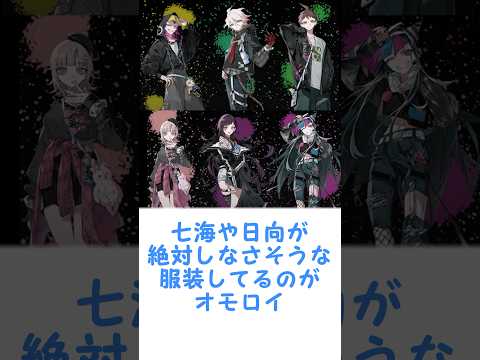
ZOZOTOWN, a major Japanese online fashion retailer, has partnered with Danganronpa 2 to create a limited collaboration costume collection. The collection features main and supporting characters from the visual novel in entirely new fashion designs that deliberately contradict their established aesthetic identities. Characters known for conservative or distinctive styles have been reimagined in modern, trendy streetwear, generating significant discussion across social media platforms.
Why It Matters
This collaboration represents an evolution in how anime and game franchises approach fan engagement through merchandise. Rather than simply creating new costumes to drive sales, the partnership strategically uses character subversion as a tool to spark conversation, encourage fan analysis, and create shareable moments. The campaign demonstrates how modern collaborations can function as cultural commentary on character identity and fan attachment, while simultaneously expanding the franchise’s reach beyond traditional gaming audiences into the fashion retail space.
Background
Danganronpa 2 is a visual novel that debuted in 2012, known for its complex psychological character development and intricate narrative design. The series has maintained a dedicated fanbase for over a decade, with fans deeply invested in character personalities and design consistency. Fashion collaborations in the anime and gaming industry have traditionally focused on maintaining character authenticity, making this ZOZOTOWN partnership unusual in its deliberate embrace of aesthetic contradiction.
Key Points
- Character Design Subversion: Main characters like Hajime Hinata and Chiaki Nanami wear styles that directly contradict their established personalities, creating intentional cognitive dissonance for fans.
- Bold Color Palette Shifts: Characters undergo significant color composition changes from their original designs, with Mitsuri Tsukumo’s costume receiving particular attention for its daring upper-body design and vibrant color choices.
- Strategic Character Selection: The inclusion of supporting characters like Soda Pekoyama—typically overlooked in major collaborations—signals an effort toward equitable character representation.
- Layered Accessory Details: Accessories like character plushies incorporated into costume designs add meta-textual humor and encourage deeper fan interpretation of character relationships.
- Fan Engagement Through Humor: The collaboration deliberately invites fan commentary and creative interpretation, with discussions ranging from costume analysis to playful questions about in-universe character consent.
- Industry Evolution: The campaign exemplifies a shift from merchandise-driven collaborations toward fan engagement-driven strategies that prioritize conversation and social media amplification.
Timeline
- 2012: Danganronpa 2 releases, establishing character designs and personalities that define fan expectations for over a decade.
- 2010s-2015: Fashion collaborations in anime and gaming primarily function as straightforward merchandise sales tools.
- 2015-2018: Industry shift toward fan engagement-focused collaboration strategies begins.
- 2024: ZOZOTOWN collaboration launches, representing the maturation of fan engagement-driven collaboration design.
Perspectives
Fan reactions to the collaboration span multiple interpretations. Some express surprise and amusement at seeing beloved characters in uncharacteristic clothing, with comments like “Hajime would never wear this” reflecting deep character knowledge. Others appreciate the designs on aesthetic merit alone, noting that the costumes are “actually well-designed” despite their contradiction of character identity. A third perspective celebrates the collaboration as evidence that the franchise respects its fanbase’s analytical capabilities—the inclusion of subtle details like character plushies suggests the design team anticipated fan-level interpretation and discussion. Some fans also view the collaboration as a creative challenge to their attachment, asking whether they can appreciate their favorite characters in radically different contexts. Additionally, a meta-commentary perspective recognizes the collaboration as a strategic business decision that leverages fan creativity for organic social media promotion.
Insights
The ZOZOTOWN collaboration reveals several important trends in entertainment industry strategy. First, it demonstrates that character authenticity and character subversion are not mutually exclusive—fans can simultaneously recognize that a character “would never wear this” while enjoying the costume on its own merits. This suggests a maturing fanbase capable of holding multiple interpretations simultaneously. Second, the collaboration shows that fan engagement now drives commercial value as much as direct sales do; the conversation generated by the costumes may ultimately prove more valuable than the merchandise itself. Third, the strategic inclusion of supporting characters indicates that franchises are beginning to recognize the value of expanding fan investment beyond core characters. Finally, the collaboration exemplifies how modern brands can partner with entertainment properties not just to sell products, but to participate in ongoing fan culture and creative dialogue. The success of this approach may establish a new standard for how anime and gaming franchises approach fashion collaborations, prioritizing fan engagement and creative interpretation over straightforward aesthetic consistency.