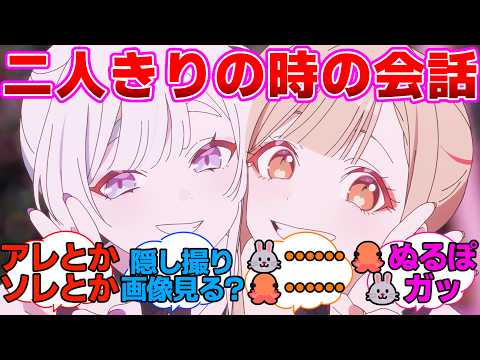
▶ Watch the original YouTube video
Kaguya and Yachiyo: Analyzing the Psychological Complexity of a Single Consciousness Divided Across 8,000 Years
A deep dive into one of anime’s most psychologically complex character relationships: two bodies, one consciousness, separated by 8,000 years of divergent experience. This analysis explores how Kaguya and Yachiyo’s conversations transcend traditional dialogue, examining what it means for identical beings to coexist while accumulating different memories and perspectives.
What Happened
The relationship between Kaguya and Yachiyo has become a focal point of fan analysis and discussion. These two characters exist as a single consciousness split across two bodies, separated by an 8,000-year temporal gap. Unlike traditional “split personality” or “alternate self” narratives in anime, their dynamic presents a unique psychological scenario: complete identity with divergent lived experience. The central question driving fan discourse is deceptively simple: what do they actually say to each other when alone?
Why It Matters
This character dynamic challenges fundamental questions about identity, consciousness, and what constitutes individuality. If two beings share identical foundational thinking but accumulate different experiences over millennia, at what point do they become separate individuals? The Kaguya-Yachiyo relationship explores this philosophical territory more thoroughly than most anime narratives, moving beyond simple conflict-based “split self” tropes to examine genuine coexistence. For viewers and analysts, this raises profound questions about self-awareness, psychological continuity, and the nature of shared consciousness.
Background
The concept of split consciousness or divided identity has appeared across multiple anime and games—from the time-loop fractured selves in “Puella Magi Madoka Magica” to the past-and-present confrontation in “Fate/stay night.” However, the Kaguya-Yachiyo setup differs fundamentally. Rather than representing different timelines or alternate versions, they represent the same consciousness inhabiting two separate bodies simultaneously, with one existing 8,000 years ahead of the other in accumulated experience.
This creates a paradox: they possess identical base cognition yet divergent experiential frameworks. The 8,000-year gap means that while their core thinking patterns remain aligned, their judgment, perspective, and emotional responses have necessarily diverged through accumulated memories and experiences. This distinction is psychologically critical and rarely explored with such depth in character relationships.
Key Points
- Non-verbal Communication Dominates: Evidence suggests their interaction relies heavily on unspoken understanding rather than traditional dialogue, with significant periods of silence conveying deeper meaning than words could express.
- Thought Organization Over Conversation: Their exchanges may function as external cognitive processing—one consciousness using two voices to organize and clarify thought, rather than genuine interpersonal dialogue.
- The 8,000-Year Paradox: Despite identical foundational consciousness, the vast temporal separation creates subtle but significant psychological divergence through accumulated experience, creating tension between sameness and difference.
- Absence of Performative Interaction: Unlike relationships requiring social negotiation, Kaguya and Yachiyo can exist in complete authenticity without social masks, potentially allowing for unprecedented emotional transparency.
- Fan Speculation Reveals Deeper Anxieties: Community discussions focus on whether identical consciousness truly guarantees identical judgment, suggesting viewers recognize the philosophical complexity beneath the surface.
- Silence as Profound Connection: The repeated observation that their interactions feature extended silences suggests the creators intentionally emphasize non-linguistic connection as the deepest form of mutual understanding.
Timeline
- 8,000 Years Ago: Kaguya’s consciousness originates; the temporal starting point of the narrative.
- Present Day: Yachiyo exists as the contemporary manifestation of the same consciousness, having accumulated 8,000 years of experiences Kaguya has not.
- Ongoing: Both exist simultaneously, creating a real-time paradox of identical consciousness with radically different experiential backgrounds.
Perspectives
The Psychological Analysis Perspective: From a cognitive psychology standpoint, Kaguya and Yachiyo represent a thought experiment about consciousness continuity. If consciousness is defined by continuous memory and experience, then despite identical base cognition, they are technically becoming different individuals through accumulated divergent experience. This challenges the notion that identical thinking patterns guarantee identical identity.
The Fan Community Perspective: Viewers have proposed multiple interpretations. Some envision casual, comfortable interaction—two aspects of the same person relaxing without social pretense. Others suggest underlying anxiety: does Yachiyo worry that Kaguya might judge her differently? Could 8,000 years of separate experience create resentment? These speculations reveal how viewers grapple with the philosophical implications of the setup.
The Creator’s Likely Intent: The emphasis on silence and non-verbal communication suggests the creators view their relationship as transcending language. Rather than conflict-based “split self” narratives, this appears to explore the possibility of perfect mutual understanding—two bodies, one consciousness, communicating through presence rather than words.
The Comparative Literature Perspective: Unlike “Fate/stay night” (where past and present selves oppose each other) or “Re:Zero” (where clones cooperate), the Kaguya-Yachiyo dynamic presents neither opposition nor simple cooperation, but rather coexistence. This represents a genuinely novel approach to split-consciousness narratives in anime.
Insights
The Kaguya-Yachiyo relationship succeeds because it refuses easy answers. Rather than depicting split consciousness as inherently conflictual or presenting a simple resolution, it maintains the paradox: they are identical yet different, unified yet separate, communicative yet often silent.
This dynamic raises a question rarely explored in character relationships: what happens when you encounter yourself? Not a rival version, not an alternate timeline, but literally yourself with different memories. The answer appears to be profound silence—not the silence of conflict, but the silence of complete understanding. When two beings share identical foundational consciousness, perhaps words become unnecessary. The gaze, the proximity, the synchronized movement—these become the language.
The 8,000-year gap, rather than creating distance, paradoxically deepens connection. Yachiyo carries 8,000 years of experience that Kaguya will eventually have. Kaguya represents the original consciousness that Yachiyo emerged from. Neither can fully understand the other’s experience, yet neither needs to explain themselves. This creates a relationship category that anime rarely attempts: perfect empathy born from perfect identity, complicated by imperfect experience.
The broader implication is philosophical: identity is not purely cognitive. Even with identical thinking patterns, divergent experience creates divergent identity. Yet the Kaguya-Yachiyo relationship suggests that this divergence need not create conflict—it can create something deeper: the recognition that even your identical self becomes a stranger through time, and that stranger remains fundamentally knowable in ways no other person can be.