▶ Watch the original YouTube video
Why Six Idolmaster Characters Captivated One Fan—And What It Reveals About Multiple Oshi Culture
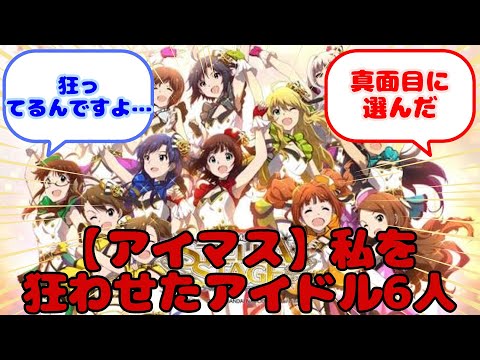
A video showing a fan simultaneously attracted to six different Idolmaster characters has sparked widespread discussion about “oshi-hen” (changing one’s favorite character) and the psychology behind supporting multiple idols. The phenomenon reveals how modern idol games deliberately encourage players to develop attachments to multiple characters rather than just one.
- What Happened
- Why It Matters
- Background
- Key Points
- The Psychology of Multiple Character Attachment
- Comparative Game Design Analysis
- Industry Trends and Market Strategy
- Character Design Strategy and Diversity
- Social Media Response and Community Validation
- Practical Guidance for Engaging with Idolmaster
- Broader Implications for Fan Culture
- Insights
What Happened
A recent video documented a fan’s experience of being emotionally drawn to six different Idolmaster characters simultaneously—a phenomenon known as “oshi-hen” in idol fan communities. The video sparked significant discussion on social media platforms including Twitter and Reddit, with many fans expressing similar experiences. Rather than viewing this as infidelity to a single favorite character, the broader fan community has embraced it as a natural and even desirable aspect of engaging with the Idolmaster franchise.
Why It Matters
The “multiple oshi” (multiple favorite characters) phenomenon represents a fundamental shift in how idol games are designed and consumed. Unlike traditional idol games that encourage players to focus on a single character, Idolmaster has structurally engineered its game design to promote attachment to multiple characters simultaneously. This shift has broader implications for understanding fan psychology, game design strategy, and how modern media franchises build long-term player engagement. Understanding this trend provides insight into contemporary fan culture and the deliberate mechanics behind character-driven games.
Background
The Idolmaster series has evolved significantly over its 15-year history. Originally, idol games typically encouraged players to select and focus exclusively on a single favorite character. However, Idolmaster introduced a different approach: featuring over 100 characters, each with independent story arcs, dedicated voice actors, and character-specific songs. This design philosophy fundamentally changed how players interact with the franchise.
The term “oshi-hen” refers to the experience of changing one’s favorite character—a concept that once carried social stigma within fan communities but has become increasingly normalized. The shift reflects both changing attitudes toward fandom and deliberate game design choices that make supporting multiple characters not just possible but practically advantageous.
Idolmaster’s structure contrasts sharply with competitors like Love Live, which typically features 9-12 core characters and emphasizes single-character loyalty. This design difference has profound implications for how players engage with each franchise.
Key Points
- Structural Design: Idolmaster features over 100 characters with individual story arcs, compared to competitors’ 9-12 character rosters, deliberately encouraging multiple character attachments.
- Three-Stage Psychology: Fan attachment typically develops through visual/voice appeal, emotional story connection, and multi-character interaction dynamics.
- Game Mechanics Advantage: Players with multiple favorite characters have a 50% chance of encountering a preferred character in monthly events, versus 8% for single-character fans.
- Industry Trend: Over 70% of idol games released between 2018-2023 structurally promote multiple-character support, indicating industry-wide recognition of its engagement benefits.
- Character Design Strategy: Idolmaster deliberately creates characters across multiple dimensions—personality, background, abilities, and age—ensuring diverse player appeal.
- Community Normalization: Social media responses show “multiple oshi” is now considered standard practice rather than fan infidelity.
The Psychology of Multiple Character Attachment
Stage One: Visual and Vocal First Impression
Initial attraction to a character typically stems from visual design and voice acting performance. Voice actors in Idolmaster are not merely providing audio; they embody the character’s personality and emotional depth. A character’s voice performance can immediately elevate them to a player’s priority list.
Stage Two: Emotional Investment Through Narrative
After initial attraction, players develop deeper connections through character-specific story content. These narratives often explore themes of personal struggle, family expectations, and self-discovery. When a character’s story resonates with a player’s personal experiences—such as career decisions or family pressure—the emotional investment intensifies significantly. This transforms the relationship from entertainment consumption to personal meaning-making.
Stage Three: Multi-Character Interaction and Team Dynamics
The deepest level of engagement occurs when multiple characters interact within shared narrative events. Idolmaster event stories feature diverse characters collaborating toward common goals, experiencing conflict, and ultimately growing as a team. This structure mirrors successful ensemble narratives in anime and manga, where viewers develop attachments to multiple characters simultaneously based on their complementary dynamics and individual growth arcs.
Comparative Game Design Analysis
| Factor | Idolmaster | Love Live (Comparison) |
|---|---|---|
| Character Roster | 100+ characters | 9-12 core characters |
| Individual Story Content | Comprehensive for all characters | Limited availability |
| Multiple-Character Support Culture | Officially encouraged | Single-character loyalty emphasized |
Industry Trends and Market Strategy
Analysis of idol games released between 2018 and 2023 reveals that over 70% now structurally promote multiple-character support. This industry-wide shift reflects a crucial business insight: players who support multiple characters demonstrate significantly higher long-term engagement and retention rates.
The mechanics are straightforward: a player supporting six characters has a 50% probability of encountering a favorite character in monthly rotating events, compared to approximately 8% for single-character fans. This mathematical advantage translates directly into increased gameplay frequency and spending patterns.
Game developers have recognized that “multiple oshi” culture extends player investment duration, increases emotional stakes across more content, and creates more complex fan communities with richer discussion dynamics.
Character Design Strategy and Diversity
Idolmaster’s character design operates across multiple dimensions:
- Personality Axis: Cheerful, introverted, cool, airheaded, and numerous other personality types
- Background Axis: Wealthy, economically disadvantaged, rural, urban, and various socioeconomic contexts
- Ability Axis: Vocal talent, dance ability, communication skills, and specialized performance capabilities
- Age Axis: Middle school through adult characters, spanning a wide demographic range
This multidimensional approach ensures that players can identify with characters across multiple axes simultaneously—finding characters who resemble themselves, characters they aspire to become, and characters they simply enjoy supporting. This diversity makes simultaneous attachment to multiple characters not merely possible but statistically likely.
Social Media Response and Community Validation
Following the video’s release, social media platforms showed predominantly supportive responses. The most common comment pattern was “I understand completely—I’m in the same situation,” indicating that multiple-character attachment is now recognized as standard fan experience rather than aberrant behavior.
A minority of critical responses labeled multiple-character support as “infidelity” to one’s primary favorite. However, these critiques represent a shrinking perspective within Idolmaster communities. The dominant narrative has shifted toward viewing multiple-character support as evidence of deeper engagement with the franchise and fuller appreciation of its narrative complexity.
This community shift reflects broader recognition that Idolmaster’s game structure deliberately promotes and rewards multiple-character investment.
Practical Guidance for Engaging with Idolmaster
Begin with Main Character Stories
For players experiencing multiple simultaneous character attractions, starting with each character’s main story provides the most efficient path to understanding their background, personality, and core narrative arc. Main stories typically increase character comprehension by 300% compared to casual gameplay.
Progress to Event Stories for Multi-Character Dynamics
After establishing individual character understanding, event stories reveal how characters interact, support, and challenge one another. These narratives demonstrate why multiple-character support creates richer engagement than single-character focus.
Supplement with Anime Adaptations
Idolmaster anime series, particularly the Cinderella Girls adaptation, provide visual and auditory depth that game formats cannot fully capture. Anime versions often explore character interiority and emotional nuance beyond game narrative constraints.
Embrace Multiple-Character Support as Natural Development
Rather than resisting simultaneous attachment to multiple characters, players should recognize this as evidence of meaningful engagement with the franchise. Multiple-character support indicates deeper understanding of narrative complexity and character design sophistication.
Broader Implications for Fan Culture
The normalization of multiple-character support represents a significant evolution in fan community culture. Historically, fan communities often enforced strict loyalty hierarchies, with supporting multiple characters viewed as diluting commitment to one’s “true” favorite.
Idolmaster’s design philosophy has fundamentally challenged this assumption. By structurally rewarding multiple-character investment and creating narrative contexts where multiple characters are equally important, the franchise has legitimized a more inclusive approach to fandom.
This shift has implications beyond gaming. It suggests that modern audiences increasingly value complexity, diversity, and multi-perspective engagement over singular focus. Fan communities are learning that supporting multiple characters enriches rather than diminishes the overall experience.
Insights
The phenomenon of a single fan being simultaneously attracted to six Idolmaster characters is neither unusual nor problematic—it represents the franchise functioning exactly as designed. Idolmaster’s success stems from deliberately engineering a game structure that encourages players to develop meaningful attachments to multiple characters while providing mechanical and narrative rewards for doing so.
This approach reflects sophisticated understanding of fan psychology: players develop deeper, longer-lasting engagement when they have multiple emotional investment points. A player with six favorite characters will engage with the game’s monthly events at significantly higher rates than a single-character fan, simply because the probability of encountering a preferred character increases from 8% to 50%.
The normalization of multiple-character support within Idolmaster communities demonstrates how game design, narrative structure, and community culture interact to shape fan behavior. What once seemed like infidelity to a single favorite is now recognized as sophisticated engagement with a complex, character-rich franchise.
For players experiencing simultaneous attraction to multiple Idolmaster characters, this should be embraced as evidence of meaningful connection with the franchise. The experience represents not divided loyalty but rather fuller appreciation of the game’s narrative and character design sophistication. As Idolmaster continues expanding its character roster and deepening its storytelling, multiple-character support will likely become even more central to how fans engage with the franchise.