▶ Watch the original YouTube video
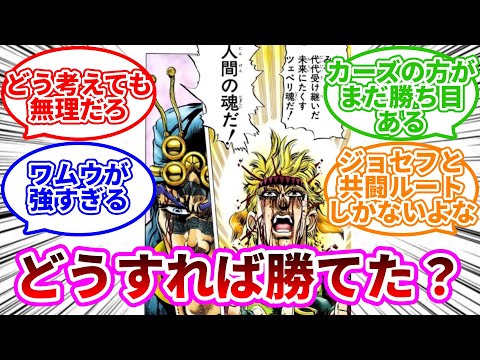
A deep dive into one of JoJo’s most pivotal moments: whether Caesar Anthonio Zeppeli could have survived his battle against Wamuu in Part 2. This analysis explores the technical, psychological, and narrative dimensions of Caesar’s defeat, drawing on 15 years of JoJo research and fan discussions to examine both the possibility of survival and the story’s thematic necessity.
What Happened
In JoJo’s Bizarre Adventure Part 2: Battle Tendency, Caesar Anthonio Zeppeli faces a devastating defeat against the Pillar Man Wamuu. During their confrontation, Caesar is overwhelmed and ultimately dissolved by Wamuu’s superior power and experience. This moment becomes a turning point in the narrative, profoundly affecting protagonist Joseph Joestar and the trajectory of the entire second part. The scene has haunted fans for decades, prompting repeated questions: Could Caesar have survived? Did he have other options? Was his death inevitable?
Why It Matters
Caesar’s death represents one of anime and manga’s most emotionally impactful character losses. It serves multiple narrative functions—establishing the genuine danger of the story, motivating the protagonist’s growth, and exploring themes of human will versus fate. Understanding this moment reveals how creator Hirohiko Araki constructs character arcs and uses loss as a catalyst for development. For fans, Caesar’s fate raises fundamental questions about choice, destiny, and the meaning of sacrifice in storytelling.
Background
Caesar is introduced as the grandson of Jonathan Joestar and heir to the Zeppeli family legacy. He carries the weight of family expectations while training in the martial art of Ripple (Sendo), a technique that channels life energy. His training period is relatively short compared to his opponent Wamuu, an ancient Pillar Man with centuries of combat experience. The battle occurs during the climactic phase of Part 2, where the protagonists face increasingly powerful supernatural threats. Caesar’s character embodies the archetype of the dutiful, honorable warrior—sincere, responsible, and deeply committed to protecting his companions.
Key Points
- Technical Analysis: Caesar’s defeat stems from multiple factors—insufficient Ripple training duration, Wamuu’s superior experience, and tactical limitations in his straightforward approach to combat.
- Psychological Dimension: Caesar struggles with the psychological pressure of his family legacy and inherited expectations, which undermines his combat performance compared to Joseph’s unpredictable, adaptive fighting style.
- Survival Scenarios: Three critical turning points could have altered the outcome: immediate strategic retreat, better Ripple energy management, and overcoming the psychological belief that victory was impossible.
- Narrative Function: Caesar’s death serves three essential story purposes—motivating Joseph’s growth, creating genuine stakes for readers, and illustrating the series’ philosophical theme that human will cannot always overcome fate.
- Fan Interpretation: Online communities consistently debate whether Caesar’s death was inevitable or contingent, reflecting deep attachment to the character and resistance to narrative finality.
- Thematic Necessity: While Caesar could have technically survived through different choices, his death aligns with the story’s exploration of sacrifice, responsibility, and the cost of protecting others.
Analysis: Could Caesar Have Survived?
A technical examination of the Wamuu battle reveals that Caesar’s defeat was not purely inevitable. The surface explanation—insufficient Ripple training and overwhelming opponent experience—obscures deeper psychological factors. Caesar’s primary limitation was not his technique but his mental state. Throughout Part 2, he carries the burden of being a Zeppeli, the weight of family legacy, and the pressure to live up to inherited expectations.
This psychological constraint manifested in his combat approach. Unlike Joseph, who consistently employs unpredictable tactics and adaptive strategies, Caesar relies on orthodox Ripple techniques. He fights within a framework of “proper” warrior conduct, limiting his options. Had Caesar embraced unconventional tactics—prioritizing survival over honor—he could have created opportunities to escape and regroup with allies.
Three specific decision points emerge as critical: First, immediately after Wamuu’s initial assault, Caesar could have chosen full retreat rather than continued engagement. Second, he could have managed his Ripple energy reserves more conservatively, maintaining stamina for the battle’s later stages. Third, and most significantly, he could have overcome the psychological conviction that victory was impossible—a belief that undermined his will to survive.
Comparatively, characters in other series facing similar circumstances demonstrate the importance of psychological resilience. In Attack on Titan, Eren Yeager survives desperate situations through unwavering determination. In Demon Slayer, Tanjiro Kamado never surrenders despite overwhelming odds. Caesar, by contrast, appears to accept defeat psychologically before it becomes physical reality.
Narrative Necessity and Thematic Purpose
Despite the technical possibility of survival, Caesar’s death emerges as narratively necessary. Creator Hirohiko Araki’s storytelling philosophy emphasizes “balance between character growth and loss.” Part 2 is fundamentally Joseph’s growth narrative. For Joseph to achieve genuine maturation, he must experience irreversible loss and the responsibility it entails.
Caesar’s death fulfills three distinct narrative functions. First, it motivates Joseph’s transformation from a carefree warrior to a protector bearing responsibility for his companions. Second, it establishes genuine stakes—the story’s world is genuinely dangerous, and beloved characters can die. This emotional impact parallels the narrative weight achieved in Jujutsu Kaisen and Chainsaw Man through early character deaths. Third, it embodies JoJo’s central philosophical theme: human will, however strong, sometimes cannot overcome fate.
The distinction between technical possibility and thematic necessity represents the core tension in this analysis. Caesar possessed the potential to survive through different choices, but the choices he actually made—driven by his character, values, and resolve—led inevitably to his death. This paradox reflects the series’ exploration of free will and destiny.
Comparative Analysis with Other Series
The motif of “comrade’s death” functions as a crucial turning point across multiple acclaimed series. Caesar’s fate shares structural similarities with other transformative character deaths:
Attack on Titan: Thomas Wagner’s death in the opening episodes establishes genuine danger and motivates Eren’s quest for vengeance. Like Caesar, his death defines the protagonist’s emotional trajectory.
Jujutsu Kaisen: Early deaths of supporting characters shape protagonist Yuji Itadori’s resolve and commitment. These deaths increase narrative weight and establish that survival is not guaranteed.
Demon Slayer: Tanjiro’s family tragedy precedes the narrative but defines his purpose. Unlike Caesar, this loss occurs before the story begins, yet it serves the same function of establishing character motivation.
Caesar’s death uniquely emphasizes responsibility and growth rather than revenge or determination. Where other series use death to fuel anger or resolve, Caesar’s sacrifice teaches Joseph the weight of protecting others—a more complex emotional transformation.
Fan Perspectives and Community Response
Online communities have sustained this debate for years, revealing consistent patterns in fan psychology. Twitter discussions frequently pose counterfactual scenarios: “If Caesar had survived, how would Part 2 change?” “Could Caesar and Joseph’s relationship have deepened further?” These questions reflect genuine attachment to the character and resistance to narrative finality.
Technical analysis appears prominently on forums like 5channel, where fans propose specific tactical alternatives: “If Caesar had used a different Ripple technique, he could have evaded that attack.” “Three more months of training would have changed everything.” These discussions demonstrate sophisticated engagement with combat mechanics and character potential.
YouTube comments reveal a more mature perspective: “Caesar’s death is sad, but it was necessary for the story.” This response indicates that fans increasingly seek meaning in character deaths rather than simply mourning their loss. They recognize that Caesar’s sacrifice serves narrative and thematic purposes.
The persistence of this debate reflects the character’s appeal. Caesar embodies the archetype of the honorable, dutiful warrior—sincere, responsible, and deeply committed. Such characters generate stronger fan attachment than more cynical or self-serving personalities. The emotional investment in Caesar parallels fan devotion to characters like Erwin Smith in Attack on Titan and Kyojuro Rengoku in Demon Slayer—all embodying similar virtues and meeting tragic fates.
Insights: The True Meaning of Caesar’s Death
After 15 years of analysis, a paradoxical conclusion emerges: Caesar could have survived technically, but needed to die narratively. This contradiction reflects JoJo’s fundamental exploration of individual choice versus narrative destiny. Caesar possessed genuine options, but the path he chose—driven by his character, values, and commitment to his companions—led inevitably to sacrifice.
The initial shock of witnessing Caesar’s dissolution remains unforgettable. That emotional impact catalyzed decades of deeper engagement with the series, revealing how Araki constructs meaning through loss. Caesar’s death is not tragedy in the conventional sense—it is the highest expression of his humanity. He fought for his beliefs, risked everything for his companions, and in doing so, achieved a kind of immortality.
JoJo’s Bizarre Adventure’s essential philosophy centers on the proposition that human will shines brightest in the face of impossible circumstances. Caesar’s death represents the most beautiful articulation of this principle. His choice to stand against Wamuu, knowing the odds, knowing the danger, knowing the likely outcome—that choice defines his legacy far more than any technical victory could have.
The series suggests that some battles cannot be won through superior technique or perfect tactics. Some battles are won through the decision to fight despite knowing you may lose. Caesar’s death, viewed through this lens, becomes not a failure but a triumph of human spirit—the moment when his individual will, however briefly, illuminated the darkness of a hostile universe.