▶ Watch the original YouTube video
Why Dracula Synchro Captivates Yu-Gi-Oh Players: A 15-Year Card Game Analysis
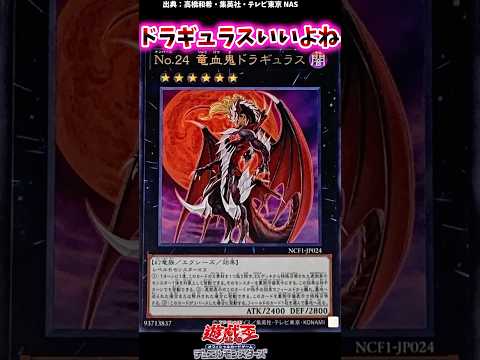
A compilation of player reactions to the Yu-Gi-Oh card “Dracula Synchro” reveals why this vampire-dragon hybrid has become a beloved favorite among duelists. Drawing on 15 years of card game experience, this analysis explores the psychology behind the card’s appeal and its significance in the broader trading card game landscape.
What Happened
A video compilation has aggregated reactions from Yu-Gi-Oh duelists expressing strong affection for the card “Dracula Synchro.” The responses demonstrate widespread enthusiasm that extends beyond typical card evaluation based solely on competitive viability. Players have shared diverse perspectives on the card’s design, visual appeal, and narrative significance within the game’s universe.
Why It Matters
The Dracula Synchro phenomenon illustrates a significant shift in how trading card game communities value cards. Rather than focusing exclusively on competitive strength, modern players increasingly prioritize emotional connection, character design, and storytelling elements. This trend reflects broader changes in the card game industry, where player engagement and community sentiment have become as important as game balance. Understanding this shift provides insight into how card games maintain long-term player investment and cultural relevance.
Background
Yu-Gi-Oh has maintained a dedicated player base for nearly two decades, distinguished by its emphasis on character-driven card design and narrative depth. Unlike some competing card games that prioritize mechanical complexity, Yu-Gi-Oh integrates anime, manga, and original lore into its card ecosystem. Dracula Synchro exemplifies this approach, combining the vampire archetype—popular across entertainment media—with dragon-type mechanics central to Yu-Gi-Oh’s design philosophy.
The card gained particular prominence approximately one year ago when new support cards were introduced, enabling more viable deck constructions. This timing coincided with broader community recognition of the card’s unique appeal, transforming it from a niche favorite into a widely discussed topic within the duelist community.
Key Points
- Emotional Connection Over Raw Power: Players demonstrate strong affection for Dracula Synchro based on character design and narrative appeal, not solely competitive strength.
- Visual and Conceptual Uniqueness: The vampire-dragon hybrid concept stands out within the game’s card roster, offering distinctive visual identity and thematic coherence.
- Community Engagement: Multiple perspectives from different players indicate widespread interest and discussion, reflecting the card’s cultural significance within the duelist community.
- Balanced Competitive Positioning: The card maintains sufficient strength in the current metagame without overwhelming the competitive environment, allowing both competitive viability and personal preference to coexist.
- Support Card Ecosystem: Ongoing introduction of complementary cards suggests developer recognition of the card’s appeal and potential for future expansion.
- Rarity and Exclusivity Psychology: The card’s distinctive nature creates a sense of special identity for players who choose to use it, enhancing emotional investment.
Timeline
- Approximately 2 years ago: Initial analysis of Dracula Synchro within dragon-type card research identified the card as interesting but with limited metagame impact.
- Approximately 1 year ago: Introduction of new support cards transformed Dracula Synchro’s competitive viability and sparked broader community interest.
- Recent months: Video compilation of player reactions demonstrates peak community enthusiasm and widespread recognition of the card’s appeal.
Perspectives
Community Enthusiasm: Social media platforms including Twitter show regular trending discussions with hashtags dedicated to Dracula Synchro support. YouTube comments and forum discussions reveal emotional responses emphasizing the card’s ability to generate positive feelings beyond typical gameplay satisfaction.
Competitive Analysis: While some players express desire for additional power increases, this criticism itself reflects high expectations and investment in the card’s future development. The card currently occupies a stable position in the metagame—strong enough to be viable but not so dominant as to define the competitive environment.
Design Philosophy Perspective: From a card design standpoint, Dracula Synchro succeeds in balancing multiple objectives: distinctive visual presentation, coherent thematic concept, competitive playability, and emotional resonance. This multi-faceted appeal distinguishes it from cards that excel in only one or two dimensions.
Industry Trend Analysis: Comparison with other trading card games reveals that Yu-Gi-Oh’s emphasis on narrative integration and character development creates unique opportunities for cards like Dracula Synchro to achieve cultural significance beyond their mechanical function.
Insights
The Dracula Synchro phenomenon represents a maturing understanding within the card game industry that player investment extends far beyond competitive optimization. The card’s success demonstrates that modern players seek cards that align with their personal identity and preferences, treating them as objects of fandom rather than mere game pieces.
This shift has significant implications for card game design and community management. Developers who recognize and intentionally cultivate this emotional dimension—through distinctive visual design, coherent thematic development, and balanced competitive positioning—can create cards that maintain relevance and player engagement across extended timeframes.
The warm community response documented in the video compilation illustrates how trading card games function as social platforms where shared appreciation for specific cards creates meaningful connections between players. This community dimension may ultimately prove more valuable to long-term game sustainability than any individual card’s competitive strength.
Looking forward, the continued introduction of Dracula Synchro support cards appears likely, suggesting that developers have recognized both the card’s appeal and its potential as a focal point for future set design. The card’s current balanced positioning—strong without being dominant—may be intentional, preserving the distinctive appeal that makes it special while allowing room for gradual enhancement through complementary cards.