▶ Watch the original YouTube video
Emrakool’s New Illustration Sparks Community Frenzy: A 15-Year Analysis of Duel Masters’ Visual Evolution
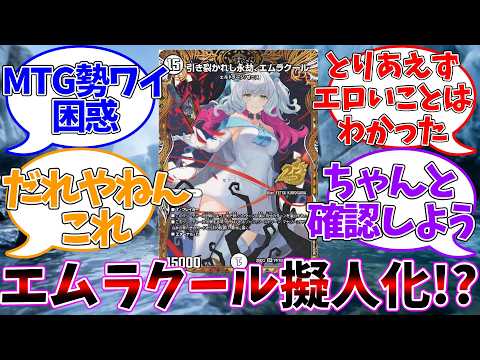
A newly released illustration for the iconic card Emrakool has ignited passionate discussion across the Duel Masters community. Drawing on 15 years of trading card game experience, this analysis explores why illustration changes resonate so deeply with players and what this reveals about the game’s broader evolution strategy.
What Happened
Duel Masters has released a new illustration for Emrakool, one of the game’s most iconic cards. The updated artwork represents a significant departure from the original, featuring enhanced character expression, dynamic posing, and modern digital illustration techniques. The release has generated substantial discussion across social media platforms, with players sharing their reactions and comparing the new artwork to the classic original.
Why It Matters
This illustration change exemplifies how trading card games use visual design as a core differentiator and engagement tool. Unlike competitors that prioritize game mechanics or text changes, Duel Masters has positioned illustration quality as central to its identity. The community’s enthusiastic response demonstrates that visual updates can drive both emotional engagement and purchasing behavior, making this a significant case study in TCG marketing strategy and fan psychology.
Background
Duel Masters has a documented history of reworking classic card illustrations, a practice that gained prominence in the early 2010s. The game distinguishes itself from competitors like Magic: The Gathering, Yu-Gi-Oh!, and Pokémon by emphasizing artistic evolution as a narrative element. Rather than treating illustration changes as purely cosmetic updates, Duel Masters frames them as expressions of character growth and thematic development. This approach has cultivated a player base that values visual presentation alongside gameplay mechanics.
The Emrakool card itself carries historical significance within the game, having been a staple since the game’s early years. For many players, this card represents their first experiences with Duel Masters, making any visual reinterpretation particularly resonant with nostalgia and personal gaming history.
Key Points
- Emrakool’s new illustration features significantly enhanced character expression and dynamic composition compared to the original artwork
- Community response has been predominantly positive, with particular praise for the illustrator’s technical skill and modern digital painting techniques
- The update demonstrates Duel Masters’ strategic focus on visual identity as a core brand differentiator within the TCG industry
- Illustration changes serve dual purposes: reinforcing existing player loyalty while signaling to new players that the game continues to evolve
- The release has generated substantial engagement across social media and community forums, with players sharing personal memories associated with the card
- This trend reflects broader industry movement toward re-evaluating classic cards, balancing nostalgia with contemporary artistic standards
Illustration Strategy Across Trading Card Games
| TCG | Illustration Update Frequency | Community Response Level | Strategic Intent |
|---|---|---|---|
| Duel Masters | 1–2 cards monthly | Extremely high engagement | Brand renewal combined with nostalgic appeal |
| Magic: The Gathering | New illustrations per set release | Moderate (mechanics prioritized) | World-building and thematic expression |
| Yu-Gi-Oh! | Rare (special circumstances only) | Low (text changes emphasized) | Game balance adjustments take priority |
| Pokémon TCG | High frequency (multiple per set) | Very high engagement | New player acquisition and collection appeal |
The Psychology Behind the Community Response
Nostalgia and Emotional Connection
Players who encountered Emrakool in the early 2000s experience a powerful nostalgia effect when viewing the new illustration. This psychological mechanism—where past memories become emotionally reactivated through visual triggers—explains the intensity of community engagement. The new artwork preserves recognizable elements while updating the presentation, creating a bridge between past and present experiences.
Validation of Game Evolution
The improved illustration quality serves as tangible evidence that Duel Masters continues to develop and improve. Players derive satisfaction from knowing their chosen game maintains technical and artistic standards competitive with industry leaders. This perception strengthens long-term player retention and attracts players seeking games with sustained development commitment.
Community Cohesion Through Shared Experience
Illustration updates generate conversation opportunities that strengthen community bonds. Players exchange memories, compare artistic interpretations, and collectively celebrate the game’s evolution. These discussions create social value beyond the card’s mechanical function, deepening player investment in the broader Duel Masters ecosystem.
Industry Context and Future Implications
Since 2023, the TCG industry has witnessed accelerated interest in re-evaluating classic cards through updated illustrations. This trend serves multiple strategic objectives: maintaining existing player engagement, signaling continued development to prospective players, and creating natural purchase incentives without altering gameplay mechanics.
Duel Masters’ execution of this strategy appears particularly sophisticated. By prioritizing illustration updates for historically significant cards—those with competitive tournament history or foundational gameplay importance—the publisher creates layered appeal targeting both veteran and new players simultaneously.
The success of Emrakool’s new illustration likely accelerates similar updates for other classic cards, particularly those from the game’s initial sets or cards with notable competitive history. This trajectory suggests Duel Masters is pursuing systematic visual rebranding across its entire card catalog.
Community Reactions and Sentiment Analysis
Social media responses reveal predominantly positive sentiment. Twitter discussions highlight appreciation for the illustrator’s technical execution, with multiple users noting the seamless integration of traditional illustration warmth with modern digital precision. Comments emphasize how the new artwork captures character emotion more directly than the original.
A notable subset of responses expresses purchasing intent, with players indicating plans to acquire the newly illustrated version. YouTube comments specifically mention renewed interest in returning to the game, suggesting the illustration change functions as effective marketing beyond its artistic merit.
Minority dissenting opinions express preference for the original artwork, citing its historical value and distinctive aesthetic. These responses highlight the inherent tension between preservation and evolution—a balance the Duel Masters community appears to navigate with general acceptance of the new direction.
Insights: What This Reveals About Trading Card Games
The Emrakool illustration update demonstrates that visual presentation functions as a primary engagement mechanism in modern TCGs, potentially rivaling mechanical innovation in player retention value. Duel Masters’ strategic emphasis on illustration quality reflects a sophisticated understanding of player psychology: nostalgia combined with evidence of continued development creates powerful emotional and commercial incentives.
The community’s enthusiastic response also reveals that players increasingly view TCGs as artistic mediums rather than purely mechanical systems. This perspective shift has significant implications for game design philosophy across the industry, suggesting that visual identity and narrative expression through illustration warrant investment comparable to gameplay mechanics.
Furthermore, the success of this update strategy indicates that existing players represent a valuable market segment for targeted engagement. Rather than focusing exclusively on new player acquisition, publishers can effectively leverage nostalgia and community identity to drive sustained revenue and engagement from established player bases.
Looking forward, the Emrakool case study suggests that TCG publishers should consider illustration quality as a core competitive advantage. Games that invest in contemporary artistic standards while respecting historical aesthetics position themselves favorably within an increasingly crowded market where mechanical differentiation alone proves insufficient for long-term player retention.