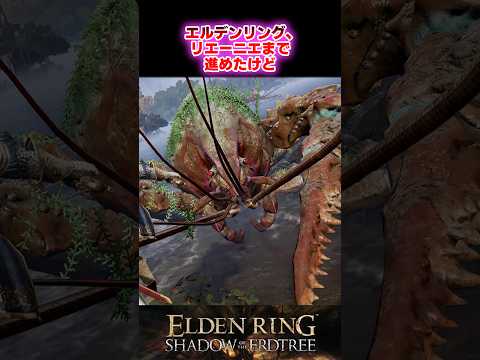
▶ Watch the original YouTube video
Elden Ring’s Rennala Boss Fight: Why Players Have Wildly Different Reactions to the Same Encounter
Elden Ring’s Rennala boss has sparked intense debate across gaming communities, with players reporting vastly different experiences—from “perfect design” to “unfairly difficult.” A veteran gamer with 15 years of FromSoftware experience analyzes why the same boss creates such polarized reactions and what it reveals about modern game design philosophy.
What Happened
Since Elden Ring’s release in February 2022, Rennala—a major boss encounter—has become one of the most discussed and debated fights in the gaming community. Players report wildly different experiences: some describe it as a masterpiece of boss design, while others call it unfairly punishing. This polarization extends across social media platforms including Twitter, YouTube, and Reddit, where players actively share conflicting opinions about the same encounter.
Why It Matters
Rennala represents a significant shift in FromSoftware’s design philosophy. Unlike previous games in the Dark Souls series, which relied on predictable attack patterns, Rennala’s fight accommodates diverse player builds and strategies—meaning difficulty varies dramatically based on player choice. This approach signals how modern AAA game developers are attempting to serve broader audiences while maintaining challenge, raising important questions about difficulty design, accessibility, and player agency in contemporary gaming.
Background
The author began playing Elden Ring approximately three months after its February 2022 release. At that time, social media was already flooded with reports of players struggling with Rennala. The author brings 15 years of gaming experience and has played over 300 games, including nearly every major FromSoftware title: all three Dark Souls games, Bloodborne, Sekiro, and others. This extensive experience provides context for analyzing how Rennala compares to previous boss designs and represents an evolution in FromSoftware’s approach.
Rennala is positioned as the player’s first genuinely challenging opponent in Elden Ring’s narrative. The boss features multiple attack patterns including melee strikes, magic attacks, area-of-effect abilities, and unpredictable movements—significantly more complex than typical Dark Souls encounters.
Key Points
- Diverse Player Reactions: The same boss generates five distinct response categories: achievement/satisfaction, criticism/frustration, awe/appreciation, strategic discussion, and narrative/worldbuilding commentary.
- Experience-Based Difficulty: Players with prior FromSoftware experience find Rennala challenging but manageable, while newcomers often perceive the fight as unfairly difficult—a gap rooted in pattern recognition ability rather than raw skill.
- Build-Dependent Difficulty: Combat duration varies from 5 to 20 minutes depending on player build choice (magic, melee, specific weapons), demonstrating that player agency directly impacts encounter difficulty.
- Design Philosophy Shift: Rennala exemplifies a transition from “pattern-learning” boss design (Dark Souls era) to “player-choice” design that accommodates multiple viable strategies.
- Narrative Integration: The boss’s complex, unpredictable attack patterns align with its story significance as the protagonist’s first true adversary, unifying mechanical and narrative design.
- Community Polarization: Online discussions reveal sharp disagreement about whether the fight represents perfect design or excessive difficulty—a divide traceable to player background and build selection rather than objective design flaws.
Timeline
- 2011: Dark Souls introduces pattern-learning boss design with limited player choice.
- 2015: Bloodborne’s Ludwig boss demonstrates increased attack complexity while maintaining predictable patterns.
- 2016: Dark Souls 3 adds moderate increases to player choice and difficulty variation.
- 2019: Sekiro emphasizes pattern learning combined with reflexive parrying, with limited build variety.
- February 2022: Elden Ring releases with Rennala as a pivotal encounter featuring high player choice and significant difficulty variation based on build selection.
- April 2022: Author begins playing Elden Ring and encounters widespread community debate about Rennala’s difficulty.
Perspectives
The Achievement-Focused View: Many players celebrate defeating Rennala as a major accomplishment, praising the fight’s design as mechanically perfect and narratively appropriate. This perspective emphasizes the satisfaction derived from overcoming a well-designed challenge.
The Accessibility Critique: Critics argue that Rennala’s attack frequency and pattern complexity create an unfairly punishing experience, particularly for players new to FromSoftware games. This view prioritizes inclusivity and questions whether difficulty should be this demanding.
The Design Analysis Perspective: Experienced players recognize Rennala as a deliberate evolution in FromSoftware’s design philosophy—one that intentionally creates different difficulty levels through player choice rather than fixed parameters. This view frames polarized reactions as evidence of successful design rather than flawed execution.
The Strategic Community View: Players actively share build recommendations, attack patterns, and exploit strategies, treating Rennala as a puzzle to solve collaboratively. This perspective emphasizes player agency and the value of shared knowledge.
Comparative Analysis
The author identifies Rennala’s closest parallel in Monster Hunter Rise’s Narwa the Allmother (2021), which similarly varies in difficulty based on weapon choice. However, Monster Hunter Rise assumes multiplayer, whereas Rennala is designed for solo play. Nier: Automata offers complex boss patterns but maintains consistency across playthroughs, unlike Rennala’s variable difficulty.
Rennala’s unique characteristics are:
- Unpredictable Attack Patterns: More complex and varied than Dark Souls series bosses, resisting simple pattern memorization.
- Build-Dependent Difficulty Scaling: Difficulty fluctuates significantly based on player equipment, magic, and strategy choices.
- Narrative-Mechanical Alignment: Attack patterns reflect the character’s background and story significance, unifying gameplay with narrative.
Practical Insights
Build Selection Matters Significantly: The author spent approximately 4.5 hours defeating Rennala while experimenting with multiple builds. Magic builds offer safety through distance but require complex mana management. Melee builds provide more attack opportunities but increase damage vulnerability. Neither approach is objectively superior; effectiveness depends on player skill and preference.
Parrying as a Viable Strategy: The author initially overlooked parrying but discovered through Sekiro experience that parrying dramatically shortens the encounter. Players comfortable with parrying mechanics should consider this approach.
Prior FromSoftware Experience Provides Advantage: The author recommends Dark Souls 3 as preparation for Elden Ring newcomers, as it teaches fundamental pattern-learning skills that transfer to Rennala’s more complex design.
Community Response Summary
Twitter reactions span from “finally defeated it, best sense of achievement” to “this boss design is perfect.” Critical responses include “too many attacks, feels unfair” and “pattern memorization is tedious.” YouTube comments reveal extensive strategy sharing, with multiple streamers promoting specific builds and tactics. Reddit and 4chan gaming threads show heated debate between players arguing Rennala is excessively difficult versus those defending the encounter as appropriately challenging.
This polarization itself provides evidence that Rennala succeeds in its apparent design goal: creating an encounter that scales meaningfully with player choice and experience, rather than imposing a fixed difficulty ceiling.
Insights and Implications
Rennala represents a watershed moment in FromSoftware’s design evolution. The boss is not merely difficult; it is deliberately designed to accommodate player diversity. This approach reflects broader industry trends toward player agency and accessibility, though it raises unresolved questions.
The central tension is whether variable difficulty through player choice adequately serves all audiences. Experienced FromSoftware players find Rennala challenging but manageable. Series newcomers often perceive the encounter as punishing. This gap suggests that while player agency is valuable, it may not fully address accessibility concerns for less experienced players.
The author advocates for more explicit difficulty options in future FromSoftware titles. While Elden Ring technically offers “easy mode equivalents” through build and item selection, clearer difficulty settings would broaden accessibility without compromising design integrity.
Ultimately, Rennala exemplifies a significant industry shift: from fixed, pattern-based boss design toward flexible encounters that respect player choice. This philosophy prioritizes diversity of experience over uniformity of challenge—a meaningful evolution that will likely influence future action RPG design across the industry. The polarized community response is not a design failure but evidence that the approach successfully serves multiple player types simultaneously, even if it cannot satisfy everyone equally.