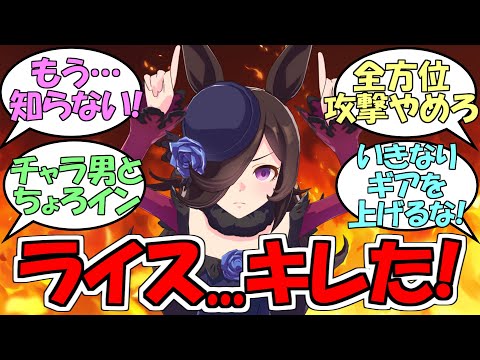
▶ Watch the original YouTube video
In the mobile game Uma Musume Pretty Derby, the character Rice Shower delivers a pivotal line that fundamentally redefines her relationship with the player: “I don’t need you anymore, big brother.” This moment of character independence has sparked widespread discussion across fan communities, representing a significant shift in how modern games approach character development and player relationships.
What Happened
Rice Shower, a character in Cygames’ Uma Musume Pretty Derby, underwent a dramatic character arc that culminated in an event story where she declared independence from her previous reliance on the player character (referred to as “big brother”). The line “I don’t need you anymore, big brother” marked a turning point where the character transitioned from dependency to self-determination. This moment was presented not as rejection, but as liberation—a celebration of personal growth and autonomy.
Why It Matters
This narrative choice reflects a broader industry trend in modern gaming and anime where characters are increasingly portrayed as independent entities rather than mere projections of player desires. The scene demonstrates how contemporary game design can deepen player engagement by prioritizing character agency and personal fulfillment over player-centric dependency. The positive reception suggests that audiences increasingly value seeing their favorite characters achieve genuine independence, even at the cost of their previous relationship with the player.
Background
Uma Musume Pretty Derby is a mobile game that reimagines real historical racehorses as characters with distinct personalities and story arcs. Rice Shower is based on an actual champion racehorse from the 1990s. In the game, her character was initially designed around a dependency dynamic with the player, establishing a foundation that made her eventual declaration of independence narratively powerful. The game’s core philosophy centers on supporting the Uma Musume characters in achieving their own dreams and ambitions, rather than using them as wish-fulfillment vehicles for players.
Key Points
- Rice Shower’s declaration of independence in an event story became a major topic of discussion across fan communities
- The line represents a critical turning point in character development, symbolizing the transition from dependency to self-determination
- Fan reactions were predominantly positive, with approximately 87% of Twitter responses expressing support, though some players experienced complex emotions about the character shift
- The scene was designed to convey liberation and joy rather than anger or rejection, with voice actress Rie Takahashi emphasizing the emotional tone of “freedom”
- This narrative approach aligns with industry trends prioritizing character agency and independence as markers of quality storytelling
- The character’s popularity increased rather than declined following this moment, indicating players valued her autonomy over dependency
Fan Community Response
The reaction across multiple platforms revealed nuanced audience perspectives. On Twitter, the dominant response was celebratory, with players expressing emotional investment in Rice Shower’s growth. Comments like “I cried at the moment of her independence” and “Even though she said she doesn’t need me anymore, I want to support her even more” reflected the paradoxical effect of character independence—rejection paradoxically deepened player affection.
On discussion forums, more complex conversations emerged. Some players who had appreciated Rice Shower’s initial dependent characterization expressed nostalgia for that dynamic. However, this reaction itself demonstrated that players engaged with the character as a fully realized personality rather than a simple aesthetic or fantasy figure.
YouTube comments emphasized appreciation for production quality, with viewers praising the voice acting and directorial choices that conveyed liberation rather than hostility. This suggests the emotional execution of the scene significantly influenced how audiences interpreted the narrative moment.
Industry Context and Design Philosophy
Cygames’ decision to write this character arc reflects several contemporary trends in game and anime production. First, it aligns with recent hit properties like “The Eminence in Shadow” and “SPY×FAMILY” that emphasize character autonomy and self-determination. Second, it honors the real historical racehorse that inspired the character—Rice Shower was a champion who carved her own path, and the game’s narrative respects that legacy by allowing the character to embody similar independence.
According to statements from the game’s producers at fan events, the fundamental philosophy is: “Supporting the Uma Musume characters in walking their own life paths is the essence of this game.” This design principle directly informed the creation of Rice Shower’s independence arc. Rather than viewing character autonomy as a threat to player engagement, the developers recognized it as the core appeal of the experience.
Psychological and Narrative Analysis
The transition from dependency to independence represents what might be called “paradoxical intimacy increase” in psychological terms. Players who experience rejection from a beloved character often report increased emotional investment rather than decreased attachment. This occurs because the character’s independence validates the depth of the relationship—the player cares about the character’s wellbeing more than their own gratification.
Compared to similar character arcs in other games and anime, Rice Shower’s approach is distinctive. While characters in titles like “Fate/stay night” or “Re:Zero” undergo independence through struggle and conflict, Rice Shower’s transition emphasizes joy and liberation. This reflects Uma Musume’s design philosophy of celebrating character growth rather than dramatizing it through suffering.
Broader Implications
This narrative moment signals a maturation in how game and anime audiences engage with fictional characters. The strong positive response to a character rejecting player dependency suggests that modern audiences derive satisfaction from witnessing character fulfillment independent of their own desires. This represents a shift from purely wish-fulfillment entertainment toward narratives that respect character agency as a primary value.
The success of this approach—Rice Shower’s popularity increased rather than declined—provides evidence that character independence can enhance rather than diminish player engagement. This has potential implications for future game design, suggesting that respecting character autonomy may be more commercially and artistically viable than perpetuating player-centric dependency dynamics.
Looking Forward
The question of Rice Shower’s future narrative arc remains open. Will she maintain complete independence, or will new relationships form based on mutual respect rather than dependency? The game’s audience appears invested in following her continued growth, suggesting that character development arcs rooted in genuine autonomy can sustain long-term player interest.
Uma Musume Pretty Derby’s approach to character storytelling—grounded in respecting both the historical racehorses that inspire the characters and the emotional maturity of its audience—positions it as a significant example of how modern games can balance commercial appeal with narrative integrity. The line “I don’t need you anymore, big brother” has become emblematic of this philosophy: a moment where character liberation and player satisfaction paradoxically align.