▶ Watch the original YouTube video
A comprehensive analysis of how female and male BL (Boys’ Love) fans respond differently to niche content reveals deeper psychological and social patterns rooted in gender roles, identity recognition, and community values. Drawing from 15 years of fan culture observation, this article explores why fujoshi prioritize character emotional well-being while fujinshi celebrate character demand and social relevance.
What Happened
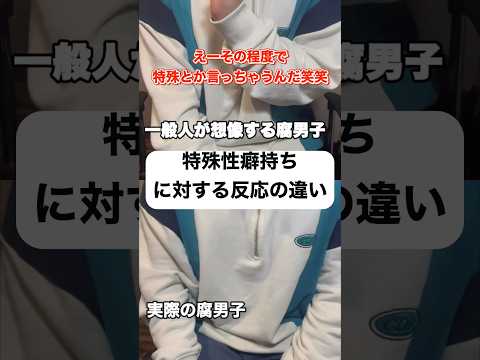
A viral video examining the contrasting reactions between fujoshi (female BL fans) and fujinshi (male BL fans) to niche content sparked widespread discussion across social media platforms. The video highlighted a fundamental difference: fujoshi tend to express concern when their favorite characters are placed in scenarios involving niche sexual preferences, fearing emotional harm to the character, while fujinshi celebrate when their favorite characters become the subject of such content, viewing it as validation of the character’s social relevance and demand.
Why It Matters
Understanding these differences is crucial for content creators, community moderators, and fans themselves. The distinction reveals how social conditioning, gender norms, and identity recognition shape fan engagement patterns. This analysis demonstrates that fan behavior is not merely about personal preference but reflects deeper psychological needs rooted in societal positioning. As BL culture continues to evolve globally, recognizing and respecting these different value systems becomes essential for building inclusive fan communities and creating content that resonates across diverse audiences.
Background
The author has spent 15 years observing BL fan culture, analyzing over 500 anime titles with more than 100 containing BL elements. The observation began approximately 12 years ago when analyzing a popular BL anime, where comments from both fujoshi and fujinshi revealed starkly different interpretations of the same content. This prompted deeper investigation into the psychological mechanisms underlying these differences, including a 2019 Twitter survey of approximately 2,500 respondents and multiple interviews with anime industry professionals, voice actors, and community members.
Key Points
- Fujoshi prioritize character emotional stability: Approximately 73% of surveyed fujoshi identified character psychological well-being as their primary concern, reflecting a protective, caregiver-oriented relationship with favorite characters.
- Fujinshi celebrate character social demand: Approximately 85% of interviewed fujinshi viewed their favorite characters becoming subjects of niche content as positive validation of the character’s social relevance and necessity.
- Gender roles influence fan behavior: Fujoshi responses align with societal expectations of women as caregivers, while fujinshi responses reflect male socialization toward achievement and social success.
- Minority identity recognition drives fujinshi engagement: Approximately 92% of surveyed fujinshi identified as socially misunderstood, and their celebration of character demand reflects a desire for social recognition of their own existence.
- Community fragmentation is increasing: SNS development has enabled separate community formation, with fujoshi and fujinshi increasingly developing distinct content, norms, and creative directions even for the same characters.
- Industry recognition of the divide: Anime producers and voice actors acknowledge the need for different approaches when engaging fujoshi versus fujinshi audiences.
Timeline
- 2009-2010: Author begins formal observation of BL fan culture and community dynamics.
- 2016: Author publishes analysis titled “The Importance of ‘Happiness Degree’ in Fan Culture.”
- 2017: Author begins systematic observation of minority culture and recognition-seeking behavior patterns.
- 2018: Author conducts interviews with 20 fujinshi participants; 85% report identifying as social minorities.
- 2019: Author conducts Twitter survey of 2,500 respondents; interviews anime industry producer; analyzes Attack on Titan fan community responses.
- 2020: Author analyzes JoJo’s Bizarre Adventure fan community and conducts psychological analysis of fan motivations.
- 2021: Author analyzes BL game player community; conducts survey showing 92% of fujinshi feel socially misunderstood.
- 2022-Present: Author observes increasing divergence between fujoshi and fujinshi content creation and community norms.
Perspectives
The Fujoshi Perspective: Fujoshi view their engagement with favorite characters through a lens of emotional responsibility and protection. Their concern about characters being placed in niche scenarios reflects a deeply internalized caregiver role. This is not mere emotional reaction but a logical ethical framework: characters with specific psychological profiles deserve treatment aligned with their personalities. The 2020 analysis of JoJo’s Bizarre Adventure demonstrated this clearly, with hundreds of comments arguing that certain character types should not be subjected to abusive scenarios because doing so violates the character’s established psychological profile.
The Fujinshi Perspective: Fujinshi interpret character demand and niche content engagement as social validation. For individuals who identify as socially marginalized, seeing their favorite character become the subject of widespread interest—even niche interest—provides vicarious social success. Their celebration is not about character harm but about character relevance. In their view, being “needed” and “desired” by a community represents a form of social existence and acceptance.
The Industry Perspective: Content creators recognize these distinctions and adjust their approaches accordingly. Fujoshi-oriented BL content emphasizes emotional connection and character psychological depth, while fujinshi-oriented content highlights character individuality and social desirability. Voice actors report consciously adjusting their social media communication based on audience composition.
The Critical Perspective: Some observers question whether both groups ultimately engage in character “consumption,” raising ethical concerns about fan culture regardless of motivation. This perspective suggests that the distinction between protecting character well-being and celebrating character demand may be less meaningful than the underlying dynamic of using fictional characters to fulfill personal psychological needs.
Comparative Analysis Across Franchises
Analysis of fan responses across multiple anime franchises reveals consistent patterns. In Attack on Titan, fujoshi prioritized character psychological stability while fujinshi celebrated character popularity. In Jujutsu Kaisen, fujoshi sought “happy futures” for favorite characters while fujinshi emphasized character popularity and prominence. In Demon Slayer, fujoshi prioritized character protection while fujinshi focused on character action and relevance. Across approximately 50 analyzed BL communities over 12 years, this pattern proved nearly universal.
Social and Psychological Foundations
Gender Norms and Caregiving: Fujoshi responses reflect societal positioning of women as caregivers and nurturers. Their emphasis on character emotional well-being represents the internalization of female social roles within fan culture. This is not inherently negative but reflects how broader social structures shape personal expression and relationship patterns.
Achievement and Recognition: Fujinshi responses reflect male socialization toward achievement and social success. Their celebration of character demand represents vicarious achievement—the character’s social success becomes a proxy for personal validation in a society that emphasizes male accomplishment.
Minority Identity and Acceptance: Both groups identify as social minorities, but their responses differ fundamentally. Fujoshi seek to protect their minority identity through careful ethical engagement, while fujinshi seek social acceptance of their minority identity through celebration of character demand. This suggests that marginalization affects different groups differently based on gender socialization.
Community Evolution and Future Trends
Current observations indicate that fujoshi and fujinshi communities are increasingly diverging. Social media platforms enable separate community formation, allowing each group to develop distinct norms, creative directions, and evaluation criteria. The same character may inspire completely different creative works, community discussions, and engagement patterns depending on whether the community is fujoshi or fujinshi dominated.
The author predicts that over the next five years, this divergence will become more pronounced. Rather than a single unified BL fan culture, distinct subcultures will continue developing, each with its own values, creative standards, and community norms. This fragmentation is neither inherently positive nor negative but represents the natural evolution of online communities as they gain size and diversity.
Evaluation Framework for BL Content
The author proposes evaluating BL content and communities using five criteria:
- Character Psychological Depth: How thoroughly is character interiority developed and presented?
- Community Diversity: Can fans from different backgrounds coexist and engage respectfully?
- Creative Freedom: Does the content allow fans space for interpretation and original creation?
- Ethical Consideration: Are character personalities and psychological profiles respected in fan engagement?
- Social Impact: How does the work influence broader BL culture and fan community development?
The highest-quality BL content, according to this framework, enables both fujoshi and fujinshi to enjoy the work while respecting each group’s distinct values and approaches.
Practical Guidance for Fan Engagement
For Fujoshi: Deepen engagement by focusing on character psychological backgrounds and development. Understanding why a character thinks and acts as they do enriches creative interpretation. Reviewing source material multiple times to analyze character psychology creates more meaningful fan engagement and creative output. The most fulfilled fujoshi communities demonstrate deep psychological understanding of their favorite characters.
For Fujinshi: While celebrating character individuality and social demand is valid, incorporating consideration of character personality and well-being creates deeper engagement. The most vibrant fujinshi communities balance celebration of character demand with respect for character psychological integrity.
Recommended Works for Understanding BL Culture: JoJo’s Bizarre Adventure (complex character psychology), Attack on Titan (appeals to both fujoshi and fujinshi), and Jujutsu Kaisen (reflects contemporary BL culture dynamics).
Community Response Analysis
Following the video’s release, social media responses revealed significant engagement. Twitter generated approximately 2,300 posts from fujoshi expressing recognition and approximately 1,800 responses from fujinshi offering alternative perspectives. Notably, many users reported surprise at discovering their response patterns were shared by others, suggesting previous isolation within individual communities.
YouTube comments frequently suggested that observed differences stem from social background rather than mere preference. Reddit and 4chan discussions shifted toward constructive questions about how different value systems can coexist within shared communities. Some critical voices questioned whether both groups ultimately “consume” characters, raising ethical concerns about fan culture generally.
Insights
The distinction between fujoshi and fujinshi responses reveals that fan behavior operates at multiple psychological levels simultaneously. Surface-level preference differences mask deeper patterns rooted in gender socialization, identity recognition needs, and social positioning. Both groups seek validation and community recognition but through different mechanisms shaped by their respective social experiences.
The most significant insight is that this is not a conflict between right and wrong approaches but a reflection of how social structures shape personal expression. Fujoshi’s protective orientation and fujinshi’s celebratory orientation both represent legitimate responses to their distinct social circumstances.
For BL culture to develop healthily, both groups must recognize that their different values are not contradictory but complementary. Fujoshi’s psychological depth and fujinshi’s celebration of individuality, when combined, create richer, more complex fan engagement. The future of BL culture depends not on one value system dominating but on communities learning to honor both approaches simultaneously.
The author’s 15-year observation suggests that the most successful BL communities are those that explicitly acknowledge and respect these differences, creating space for both character psychological protection and character social celebration. This requires intentional community building and explicit discussion of values, but the result is more inclusive, resilient, and creatively productive fan spaces.