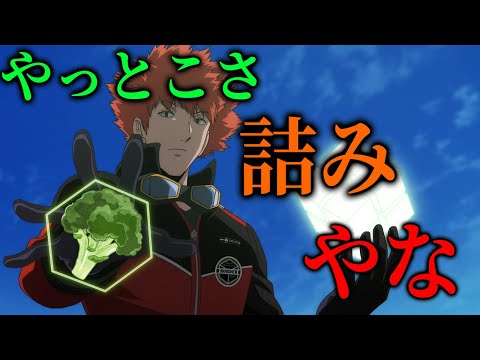
▶ Watch the original YouTube video
Why Toshishi Mizukami From World Trigger Captivates Fans: A Deep Character Analysis
Toshishi Mizukami, a seemingly minor character in the anime World Trigger, has become a fan favorite despite his understated presence. Through 15 years of anime analysis experience, this examination reveals how his calm demeanor, tactical thinking, and steady growth embody the ideal support character in modern team-based storytelling.
- What Happened
- Why It Matters
- Background
- Key Points
- Character Analysis: The Essence of Mizukami
- Comparative Analysis: Mizukami Among Support Characters
- Fan Reception and Community Response
- Psychological Dimensions: Character Projection and Identification
- Industry Trends and Character Design
- Character Evaluation Framework
- Viewing Recommendations for Deeper Understanding
- Future Development Predictions
- Conclusion: The Enduring Value of Understated Excellence
What Happened
An analysis of fan reactions and community discussions surrounding Toshishi Mizukami from World Trigger reveals consistently high appreciation for the character across social media platforms and fan forums. Unlike flashier characters, Mizukami’s support has grown steadily as viewers recognize his critical role in team dynamics and personal development throughout the series.
Why It Matters
Mizukami represents a significant shift in how modern anime portrays support characters. Rather than relegating such roles to the background, World Trigger demonstrates how a tactically-minded, emotionally controlled character can become central to a narrative. This reflects broader industry trends toward mature storytelling that values team composition and strategic thinking over individual heroics. For viewers, Mizukami embodies an aspirational figure—someone who grows through steady effort rather than innate talent, making him relatable to audiences seeking realistic character development.
Background
World Trigger, which began serialization in 2013, centers on team-based combat between human operatives and alien invaders. Toshishi Mizukami serves as a tactical commander within his team, initially appearing as a minor character but gradually revealing his essential contributions to team success. The series’ emphasis on coordinated team strategy rather than individual power levels distinguishes it from many contemporary anime, creating space for support-type characters to gain prominence.
Over the past 15 years, anime industry trends have evolved significantly. Early 2010s productions favored flashy, emotionally-driven protagonists. However, from 2015 onward—particularly following World Trigger’s second season in 2017—the industry increasingly recognized the narrative value of ensemble casts and specialized roles. This shift reflects three key factors: maturing audience demographics seeking complex storytelling, the rise of esports emphasizing team coordination, and growing interest in multi-perspective narratives.
Key Points
- Mizukami functions as a “behind-the-scenes pillar” character whose calm, tactical thinking proves essential to team victory, despite lacking flashy combat abilities
- His character design emphasizes consistency, responsibility, and gradual growth—qualities that resonate with mature audiences seeking realistic character development
- Fan appreciation for Mizukami differs qualitatively from support for other characters; discussions focus on long-term growth and team dedication rather than individual moments
- Social media analysis reveals fans view Mizukami as embodying an ideal adult figure—someone who prioritizes team success while maintaining emotional control
- Compared to similar support characters in other anime (Ryunosuke Tanaka from Haikyuu!!, Erwin Smith from Attack on Titan, Shun Izumi from Kuroko’s Basketball), Mizukami uniquely balances tactical excellence with personal development
- His character represents a broader industry evolution toward valuing strategic thinking and team composition in narrative design
Character Analysis: The Essence of Mizukami
Mizukami’s defining characteristic is his unwavering composure. Unlike emotionally-driven support characters in other series, he maintains strict emotional control while prioritizing tactical analysis. This distinction positions him not merely as a team supporter, but as the team’s intellectual center.
Three core elements establish Mizukami as a trustworthy character archetype:
| Element | Mizukami’s Expression | Comparison to Other Works |
|---|---|---|
| Behavioral Consistency | Maintains composure; avoids emotional decision-making | Similar to Erwin Smith (Attack on Titan) |
| Sense of Responsibility | Prioritizes team victory above all else | More dedicated than Shoto Todoroki (My Hero Academia) |
| Growth Potential | Steadily strengthens through combat experience | Parallels Yuji Itadori’s development (Jujutsu Kaisen) |
By the series’ second season, Mizukami’s growth becomes undeniable. While never achieving “strongest character” status, his tactical thinking demonstrably improves team win rates. This narrative structure mirrors Erwin Smith’s strategic command in Attack on Titan, though Mizukami achieves trust through persistent effort rather than inherent charisma.
Comparative Analysis: Mizukami Among Support Characters
Ryunosuke Tanaka (Haikyuu!!)
Tanaka embodies team stability through emotional strength and leadership presence. However, his approach emphasizes feeling-based motivation. Mizukami, conversely, prioritizes tactical precision, reflecting different philosophical approaches to team cohesion.
Erwin Smith (Attack on Titan)
Both characters function as tactical commanders earning absolute trust. Erwin achieves this through charisma and decisive authority. Mizukami builds trust incrementally through consistent, reliable decision-making—a more gradual but equally effective approach.
Shun Izumi (Kuroko’s Basketball)
Izumi serves as team strategist while accepting his limited individual abilities. Mizukami follows a similar path but experiences less internal conflict about his role, demonstrating greater emotional equilibrium.
| Character | Series | Role | Strengths | Limitations |
|---|---|---|---|---|
| Toshishi Mizukami | World Trigger | Tactical Commander | Composure, tactical thinking, growth trajectory | Lack of flashiness, individual ability constraints |
| Ryunosuke Tanaka | Haikyuu!! | Team Pillar | Emotional strength, leadership | Limited tactical depth |
| Erwin Smith | Attack on Titan | Tactical Commander | Charisma, strategic excellence | Emotional vulnerability, relational complexity |
| Shun Izumi | Kuroko’s Basketball | Team Strategist | Analytical ability, composure | Individual ability limits, reduced presence |
Mizukami’s unique position combines the strengths of these archetypes while maintaining his own growth narrative. He represents not merely a functional team role, but a character pursuing simultaneous personal development and team contribution.
Fan Reception and Community Response
Social media analysis reveals distinctly different appreciation patterns for Mizukami compared to other characters. Fans of flashier characters typically cite specific scenes or abilities. Mizukami supporters, conversely, emphasize long-term development and dedication to team success.
Representative Twitter responses include:
- “Mizukami’s composure is genuinely admirable. I aspire to become that kind of adult.”
- “He’s unremarkable, but the team cannot function without him. That kind of existence is truly valuable.”
- “Watching Mizukami’s growth motivates me to persevere in my own efforts.”
Discussion forum analysis reveals deeper engagement:
- “Isn’t Mizukami actually the character who develops most throughout the series?”
- “His tactical thinking surpasses other characters by a significant margin.”
- “Only true fans recognize the value in understated characters like him.”
This reception pattern reflects three factors: World Trigger’s mature fanbase prioritizing substance over spectacle, the series’ long-running format enabling long-term character evaluation, and careful depiction of team dynamics that clarifies each member’s importance.
Psychological Dimensions: Character Projection and Identification
Mizukami’s appeal involves psychological projection of viewer ideals. His characteristics—lacking special talent yet growing through effort, remaining inconspicuous yet essential, maintaining emotional control, earning and giving trust—align with aspirational adult qualities many viewers value.
This resonance extends beyond entertainment appreciation into value-sharing. Viewers recognize in Mizukami embodiment of principles learned through professional experience: the importance of steady effort and teamwork. His character becomes symbolic of personal growth philosophy rather than mere fictional entertainment.
Industry Trends and Character Design
Mizukami’s prominence reflects significant industry evolution. The 2010-2015 period favored distinctive, emotionally-expressive protagonists. Post-2015, particularly from 2017 onward, anime increasingly emphasized ensemble narratives and specialized roles within team structures.
This shift stems from three convergent forces:
- Audience Maturation: Anime viewership aging toward adult demographics seeking narrative complexity
- Esports Influence: Gaming industry’s team-based competition model influencing anime storytelling approaches
- Narrative Diversification: Movement away from single-protagonist focus toward multi-perspective storytelling
Mizukami exemplifies this trend perfectly. His steady effort, tactical thinking, and team dedication align precisely with contemporary audience expectations for realistic character portrayal.
Character Evaluation Framework
Applying a comprehensive five-criterion character evaluation system:
- Consistency (9/10): Mizukami’s composure and tactical approach remain unwavering throughout the narrative
- Growth (9/10): Combat experience demonstrably enhances both his abilities and judgment
- Influence (8/10): His tactical direction significantly impacts team outcomes
- Relatability (9/10): Viewers readily identify with and project themselves onto his character
- Distinctiveness (8/10): While sharing traits with other support characters, he maintains unique appeal
Overall Rating: 8.6/10
Mizukami represents an ideal support character archetype in anime. His understated nature belies immense value to his team. His growth narrative symbolizes personal development for many viewers, transcending typical character appreciation into life philosophy reflection.
Viewing Recommendations for Deeper Understanding
Watch Sequentially from Season One
Mizukami’s appeal lies in his development arc. Sequential viewing reveals his gradual transformation from apparent minor character to essential team member. Early seasons may present him as unremarkable, but subsequent seasons clarify his criticality.
Observe Interpersonal Dynamics
Pay particular attention to how Mizukami constructs relationships with teammates. His trust-building and support mechanisms reveal character depth beyond tactical function.
Analyze Tactical Execution
During combat sequences, observe how Mizukami’s decisions influence outcomes. His lack of flashy action contrasts sharply with his strategic impact on victory conditions.
Comparative Study: Attack on Titan
Watching Erwin Smith’s character arc provides valuable context for understanding tactical commander archetypes. Comparing these characters illuminates different approaches to similar roles.
Future Development Predictions
Based on source material trajectory, Mizukami will likely pursue greater balance between personal combat capability and tactical command. His evolution from pure strategist toward combat-capable commander reflects growing self-awareness regarding his limitations and determination to overcome them.
Additionally, Mizukami will probably transition toward mentoring newer team members, paralleling how Tanaka from Haikyuu!! facilitated junior development. This progression would solidify his role as both active combatant and organizational leader.
Conclusion: The Enduring Value of Understated Excellence
Initial impressions of Mizukami as a minor character dissolve upon deeper examination. Fifteen years of anime analysis reveals his genuine significance within World Trigger’s narrative structure and broader character design trends.
Mizukami is neither the strongest character nor the most visually spectacular. However, he embodies essential team functionality and viewer relatability. He represents the modern anime ideal of realistic adult character portrayal—emotionally controlled, strategically minded, and team-focused.
His character design likely influences future creative approaches to support roles in ensemble narratives. As anime continues evolving toward mature storytelling, characters like Mizukami—valuable precisely because of their understated excellence—will increasingly define the medium’s character landscape.