▶ Watch the original YouTube video
Why Fans Can’t Stop Talking About the Health Committee in Ninja Boy Rantaro
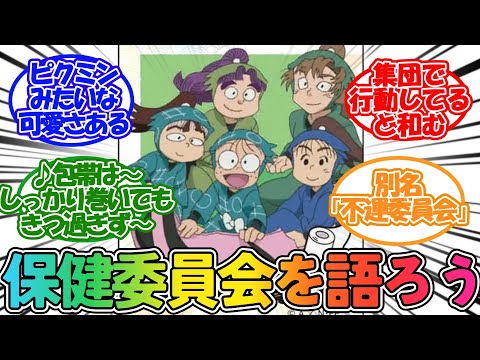
The Health Committee, a minor organization in the long-running anime “Ninja Boy Rantaro,” has become an unexpected focus of fan discourse. Despite limited screen time, this group’s distinctive character design and mysterious background have sparked widespread online discussion, reflecting broader trends in anime fandom culture and the rise of “oshi” (favorite character) culture.
- What Happened
- Why It Matters
- Background
- Key Points
- Comparative Analysis: The Health Committee’s Unique Position
- The Psychology of Minor Character Attachment
- Industry Trends: The Rise of “Oshi” Culture
- Creator Intent and World-Building Strategy
- Fan Community Response: Evidence from Online Platforms
- Potential Future Developments
- Insights: What This Reveals About Modern Anime Fandom
- Conclusion
What Happened
Online communities dedicated to “Ninja Boy Rantaro” have seen a significant surge in discussions about the Health Committee, a supporting organization within the show’s ninja academy setting. Fans across Twitter, Reddit, and anime forums have begun actively discussing, analyzing, and creating fan works centered on this previously overlooked group. The phenomenon has grown to the point where dedicated hashtags and discussion threads regularly appear, with fans expressing a desire to see more content featuring the Health Committee members.
Why It Matters
This trend reflects significant shifts in modern anime fandom. The rise of “oshi” culture—where fans intensely support and promote specific characters or groups—has expanded beyond main characters to include minor organizations. The Health Committee’s popularity demonstrates how contemporary anime audiences seek deeper engagement with secondary characters and world-building elements. This phenomenon also reveals how strategic character design in supporting roles can create unexpected fan attachment and creative output, offering insights into effective storytelling and character development in long-running series.
Background
“Ninja Boy Rantaro” is a long-running anime series that has maintained a dedicated fanbase for over a decade. The show centers on a ninja academy with various student organizations, including the main protagonist’s class committee and other prominent groups. The Health Committee, while present in the series, has traditionally received minimal screen time compared to these primary organizations. However, despite their limited appearances, the Health Committee members possess distinctive personalities and characteristics that have gradually captured fan attention.
The series’ world-building includes multiple committees and organizations within the academy, each with their own members and roles. This structure creates a rich backdrop for storytelling but also leaves significant room for fan interpretation and creative expansion, particularly regarding less-developed groups like the Health Committee.
Key Points
- The Health Committee is a minor organization within the ninja academy but has gained significant popularity on social media platforms and fan communities
- Despite limited official screen time, the group features distinctive and complementary character designs that spark fan interest and creative interpretation
- The minimal official background information about the Health Committee creates substantial space for fan theories, fan fiction, and fan art
- This trend aligns with the broader anime industry shift toward “oshi” culture, where fans actively support and promote specific characters or groups beyond main cast members
- The Health Committee’s popularity demonstrates how strategic world-building and character design can create unexpected fan engagement opportunities
- Fan discussions focus not merely on character preferences but on deeper analysis of group dynamics, character relationships, and narrative potential
Comparative Analysis: The Health Committee’s Unique Position
When compared to similar character groups in other anime, the Health Committee occupies a distinctive position. While organizations like the Survey Corps in “Attack on Titan” or the Karasuno High School volleyball team in “Haikyuu!!” receive extensive screen time and development, the Health Committee achieves comparable fan engagement despite significantly limited appearances. This paradox suggests that fan attachment is not solely determined by screen time or official character development.
The Health Committee’s strength lies in the gap between its minimal official presence and its distinctive character design. This gap creates what psychologists call the “scarcity principle”—the perception that limited information increases value. Fans respond to this scarcity by actively seeking to understand and interpret the group, generating their own theories and creative works in the process.
The Psychology of Minor Character Attachment
Several psychological and cultural factors contribute to the Health Committee’s unexpected popularity. First, the scarcity of official content creates a desire for more information, motivating fans to discuss and theorize about the group. Second, the group’s limited development leaves substantial creative freedom for fan interpretation, allowing fans to imagine character backstories, relationships, and potential storylines. Third, the Health Committee’s existence enriches the show’s world-building, suggesting that the academy contains depth and complexity beyond the main narrative.
Fan discussions on platforms like Twitter reveal that engagement extends beyond simple character preference. Fans analyze character dynamics, propose theories about group relationships, and explore how the Health Committee fits into the broader academy ecosystem. This intellectual engagement distinguishes the phenomenon from typical fan enthusiasm.
Industry Trends: The Rise of “Oshi” Culture
The Health Committee’s popularity reflects broader changes in anime fandom. The concept of “oshi” (推し)—selecting and actively supporting a favorite character or group—has evolved from a niche practice to mainstream fandom culture. The anime “The Idol” (“Oshi no Ko”) exemplified this trend’s mainstream acceptance, while simultaneously, fans have begun applying this culture to minor characters and groups previously overlooked.
In established, long-running series like “Ninja Boy Rantaro,” where main characters are already well-developed and extensively documented, secondary organizations like the Health Committee offer fresh territory for fan engagement. These groups provide new “oshi” targets for fans seeking novel avenues for creative expression and community participation.
Creator Intent and World-Building Strategy
The Health Committee’s distinctive character design likely reflects intentional creative decisions by the show’s production team. By populating minor organizations with distinctive personalities, creators establish the academy as a lived-in world with depth beyond the main narrative. This approach enriches world-building without requiring extensive screen time for secondary characters.
This strategy offers multiple benefits: it allows for potential future episode expansion, efficiently uses character designs without inflating the main cast, and implicitly encourages fan creativity by leaving significant interpretive space. The Health Committee’s existence suggests that the academy contains numerous untold stories and character arcs, inviting fan imagination to fill these gaps.
Fan Community Response: Evidence from Online Platforms
Across multiple platforms, evidence of the Health Committee phenomenon is substantial. On Twitter, hashtags combining “Health Committee” with individual character names regularly trend, with fans sharing artwork, theories, and appreciation posts. Discussion forums dedicated to “Ninja Boy Rantaro” feature recurring threads specifically analyzing the Health Committee, with participants engaging in detailed character analysis rather than simple preference statements.
YouTube comments on relevant episodes increasingly feature requests for expanded Health Committee content, including calls for dedicated episodes or spin-off material. Fan communities on platforms like Tumblr and Reddit have established dedicated spaces for Health Committee discussion and fan work sharing. This organized, sustained engagement indicates a genuine community phenomenon rather than temporary enthusiasm.
Potential Future Developments
Several scenarios could develop from the current Health Committee trend. First, increased fan demand might prompt creators to develop dedicated episodes or spin-off content focusing on the Health Committee, similar to how “Haikyuu!!” produced films featuring secondary characters. Second, fan-created content will likely continue expanding, potentially establishing Health Committee fan culture as a recognizable subcommunity within the broader “Ninja Boy Rantaro” fandom.
Third, the Health Committee’s success might redirect fan attention toward other minor organizations within the series, deepening overall engagement with the show’s world-building. Simultaneously, this phenomenon could influence how future anime series develop secondary characters and organizations, demonstrating the commercial and creative value of strategic minor character design.
Insights: What This Reveals About Modern Anime Fandom
The Health Committee phenomenon illuminates several important truths about contemporary anime culture. First, fan engagement is not proportional to screen time or official development. Instead, engagement correlates with the combination of distinctive character design and interpretive space—the gap between what is shown and what remains mysterious.
Second, the rise of “oshi” culture has democratized fan preference, allowing support for characters and groups previously considered too minor for serious fan engagement. This shift reflects fandom maturation and the increasing sophistication of fan communities in finding value in unconventional targets.
Third, the Health Committee’s popularity demonstrates the enduring appeal of world-building depth. Audiences value series that suggest complexity and untold stories beyond the main narrative. The Health Committee’s existence implies that the academy contains numerous character arcs and relationships that viewers never directly witness, enriching the perceived depth of the fictional world.
Finally, this trend suggests that anime creators can strategically encourage fan creativity and engagement through thoughtful minor character design. By establishing distinctive secondary characters without over-explaining their backgrounds or relationships, creators invite fan interpretation and creative expansion, generating organic community engagement that extends the series’ cultural lifespan.
Conclusion
The “Health Committee” phenomenon represents more than a temporary trend in anime fandom. It reflects fundamental shifts in how audiences engage with serialized media, the expansion of “oshi” culture beyond traditional boundaries, and the increasing recognition that narrative depth extends beyond main character focus. The Health Committee’s unexpected popularity demonstrates that effective world-building can transform minor organizations into significant cultural touchstones, generating sustained fan engagement, creative output, and community formation. As anime continues evolving, the Health Committee serves as a case study in how strategic character design and narrative restraint can create unexpected fan attachment and cultural resonance.