▶ Watch the original YouTube video
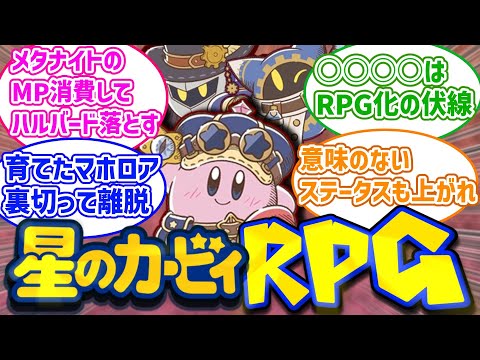
Nintendo’s announcement of Kirby RPG has ignited passionate debate within the gaming community, with fans expressing both excitement and concern about the beloved platformer’s transformation into a story-driven role-playing game. After 30 years of defining itself through side-scrolling action gameplay, Kirby’s genre shift represents a significant strategic decision that reflects broader trends in the gaming industry toward narrative-focused experiences.
What Happened
Nintendo revealed Kirby RPG during a 2023 Nintendo Direct presentation, announcing a major departure from the series’ traditional side-scrolling action format. The game introduces new character designs, an emphasis on story-driven gameplay, and RPG mechanics—marking the first mainline RPG entry in the Kirby franchise’s 30-year history. The announcement immediately generated widespread discussion across gaming platforms including YouTube, Twitter, and fan communities.
Why It Matters
This announcement signals a significant shift in how Nintendo approaches its established intellectual properties. Rather than creating entirely new franchises, the company is increasingly reimagining beloved classics through new genres and narrative frameworks. Kirby RPG’s success or failure will likely influence Nintendo’s future strategy for other iconic franchises and demonstrate whether audiences are willing to accept fundamental genre transformations of nostalgic gaming properties. The decision also reflects industry-wide recognition that modern players increasingly value story-driven experiences alongside traditional gameplay mechanics.
Background
The Kirby series has maintained consistent identity since its 1992 debut, establishing itself as a cornerstone of Nintendo’s platformer lineup. Previous experimental entries like Kirby’s Epic Yarn (2010) successfully maintained core gameplay elements while introducing unique mechanics, suggesting Nintendo’s ability to evolve the franchise without abandoning its essence. The RPG announcement arrives amid a broader industry trend toward narrative-focused games, following successful examples like Super Mario RPG (2023 remake) and the critical acclaim of story-heavy titles such as Fire Emblem: Three Houses and The Legend of Zelda: Tears of the Kingdom.
Key Points
- Genre transformation concerns: Long-time fans express worry that RPG mechanics may dilute Kirby’s signature simplicity and accessibility that defined the series for three decades
- Character design reception: New character visuals and personality designs have garnered widespread praise, with players expressing enthusiasm about emotional depth previously absent from Kirby titles
- Story expectations: The shift toward narrative-driven gameplay represents unprecedented storytelling ambition for the franchise, attracting players seeking deeper character development
- Game balance uncertainty: Questions persist regarding difficulty settings, battle system design, and how RPG mechanics will integrate with traditional Kirby gameplay philosophy
- Franchise continuity: Ongoing debate about how the RPG fits within established Kirby lore and whether it respects the series’ existing world-building
- Industry implications: Success could accelerate RPG adaptations of other Nintendo franchises and establish narrative depth as a new industry standard
Fan Perspectives
Optimistic reactions: Supporters emphasize excitement about experiencing Kirby through a new lens, praising character designs and celebrating Nintendo’s willingness to take creative risks. This demographic, primarily ages 20-40 with long Kirby histories, views the RPG format as an opportunity to deepen emotional connection with familiar characters. Comments frequently highlight nostalgia combined with anticipation for fresh experiences.
Skeptical concerns: Critics worry that genre transformation fundamentally contradicts Kirby’s design philosophy. Long-time players express concern that RPG complexity may overshadow the series’ celebrated simplicity and accessibility. These voices emphasize preservation of traditional Kirby identity and question whether narrative focus aligns with the franchise’s core appeal.
Industry analysis: Neutral observers contextualize the announcement within broader Nintendo strategy, noting parallels to Super Mario RPG’s successful 2023 remake and recognizing the shift as a natural industry evolution toward narrative-driven experiences. This perspective acknowledges both creative merit and commercial viability of IP reinterpretation.
Comparative Analysis: Genre Transformations in Gaming
Historical precedent offers mixed results for major franchise genre shifts. The Legend of Zelda: Breath of the Wild successfully transformed action-adventure conventions into open-world gameplay while maintaining core design philosophy. Kirby’s Epic Yarn demonstrated the franchise’s adaptability by introducing unique mechanics while preserving essential Kirby characteristics. Super Mario RPG (2023) achieved critical success by strengthening character personality while maintaining Mario’s recognizable identity. These successes share common elements: respect for source material, clear creative vision, and balance between innovation and tradition. Kirby RPG’s success will likely depend on whether developers similarly prioritize these principles.
Industry Implications and Future Trends
Kirby RPG represents Nintendo’s broader strategic shift toward “IP reinterpretation” rather than new franchise development. This approach offers commercial advantages: established intellectual properties carry lower marketing costs and higher initial audience awareness compared to new properties. Industry data from 2020-2024 demonstrates that reimagined existing franchises achieve higher success rates than entirely new IP launches.
If Kirby RPG succeeds, three significant industry trends may accelerate: First, other Nintendo franchises including Donkey Kong and Metroid may receive RPG treatment, establishing genre transformation as standard practice. Second, narrative-driven experiences may become the primary evaluation criterion for game quality across the industry. Third, existing IP reinterpretation will likely receive substantially more development resources than new franchise creation, fundamentally reshaping industry investment priorities.
Psychological Dimensions of Fan Response
Fan reactions reveal three distinct psychological layers. The nostalgia layer reflects players’ desire to reconnect with childhood gaming experiences through familiar characters in new contexts, creating unique emotional resonance. The character development layer reveals audience hunger for personality and emotional depth—qualities traditionally absent from Kirby’s deliberately simple design. The uncertainty layer demonstrates how creative risk-taking generates simultaneous anxiety and heightened anticipation, paradoxically strengthening audience investment in the game’s success.
Recommendations for Optimal Experience
Players interested in maximizing Kirby RPG enjoyment should consider reviewing recent franchise entries including Kirby Star Allies and Kirby’s Discovery to understand contemporary character relationships and world-building. Attention to dialogue, character expressions, and narrative details will likely prove essential, as RPG format emphasizes storytelling elements traditionally minimized in action-focused Kirby games. Players should anticipate potential multiple endings or story branches, preparing for replay value rather than assuming linear narrative structure. Comparative analysis with successful RPG franchises and previous Kirby titles will deepen appreciation for the game’s unique design choices.
Conclusion
Kirby RPG embodies the gaming industry’s evolution toward narrative-driven experiences and strategic IP reinterpretation. The announcement has generated substantial community engagement precisely because it represents meaningful creative risk—the kind that generates both excitement and legitimate concern. Success requires developers to honor Kirby’s 30-year legacy of simplicity and accessibility while delivering the narrative depth and character development modern audiences increasingly demand. Beyond this single title, Kirby RPG’s reception will significantly influence how Nintendo and the broader industry approach beloved franchises in coming years. The game’s ultimate impact will extend far beyond Kirby itself, potentially reshaping industry standards for franchise evolution and creative innovation.