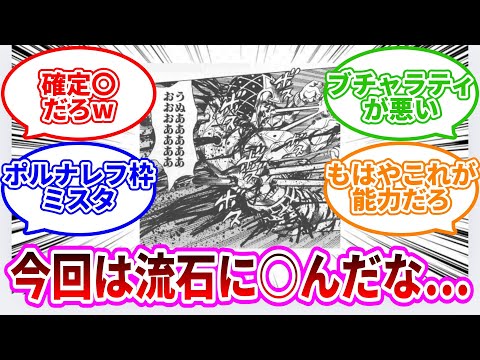
▶ Watch the original YouTube video
How JoJo Fans React to the Iconic “I’m Done For” Death Line—And Why It Defines the Series
A viral video compilation showcases fan reactions to one of JoJo’s Bizarre Adventure’s most recognizable character moments: the repeated use of a specific death line across multiple characters and story arcs. The phrase has become a cultural touchstone within the JoJo community, revealing how a single, repeated expression can define an entire series’ philosophy and unite its fanbase.
What Happened
A reaction compilation video has circulated online featuring JoJo fans responding to a recurring death line used throughout the series. The phrase—which translates roughly to “I’m done for…”—appears at pivotal moments when characters accept their fate. The video captures diverse fan reactions, from emotional responses to knowing nods of recognition, highlighting how this single expression has become shorthand for “JoJo’s aesthetic.”
Why It Matters
This phenomenon illustrates how specific narrative and linguistic patterns can transcend individual scenes to become defining characteristics of an entire work. The repeated use of this death line across multiple generations of characters—from Jonathan Joestar in Part 1 to characters in later arcs—demonstrates how deliberate creative choices shape fan culture and community identity. Understanding this pattern reveals broader insights into how anime and manga create lasting emotional resonance and build dedicated fandoms.
Background
JoJo’s Bizarre Adventure, created by Hirohiko Araki, began serialization in 1987 and has become one of manga’s most influential works. The anime adaptation, which began in 2012, introduced the series to new generations of fans. The series is structured across multiple “parts,” each following different members of the Joestar family across generations. Throughout these narratives, characters frequently face death scenes, and a particular phrasing—the acceptance of one’s demise—has become a recurring motif.
The phrase in question appears at critical moments when characters realize their fate is sealed. Rather than expressing despair or resistance, the line conveys a calm, almost philosophical acceptance of death. This specific expression of resignation has been used for multiple major characters, creating a pattern that fans have come to recognize and anticipate.
Key Points
- The death line appears repeatedly across multiple JoJo story arcs, used by different characters facing their final moments
- Fan reactions to the phrase range from emotional responses to knowing recognition, indicating deep familiarity with the series’ patterns
- The repeated expression has become a community “inside joke” and marker of JoJo fandom identity
- The phrase represents a consistent philosophical approach to death in the series—acceptance rather than resistance
- Online communities actively discuss and celebrate this recurring element, with fans predicting when the line will appear
- The pattern demonstrates how linguistic and narrative repetition can strengthen thematic coherence across a long-running work
The Psychology Behind the Pattern
Predictability and Reassurance
Fans recognize the pattern and anticipate when the line will appear. This predictability creates a sense of comfort and trust in the work—viewers feel they understand the series’ internal logic and can rely on it to deliver consistent thematic elements. When the anticipated moment arrives, fans experience satisfaction in having their expectations confirmed.
Shared Experience and Community
The reaction video demonstrates that multiple fans experience the same emotional response to the same moment. This shared experience creates a sense of belonging within the JoJo community. Fans discussing the line on social media platforms like Twitter and YouTube find common ground with others who recognize its significance, strengthening community bonds.
Linguistic Sophistication
The Japanese phrasing of the line carries a formal, almost poetic quality that elevates it beyond casual dialogue. The specific word choice and grammatical construction convey dignity and acceptance, lending the moment a sense of gravitas. This linguistic refinement contributes to fans perceiving the series as artistically sophisticated.
Comparative Analysis
JoJo’s approach to depicting death differs from other popular anime series. While Attack on Titan emphasizes desperation and hopelessness in final moments, and Demon Slayer frames death as a noble sacrifice, JoJo presents death as a moment of calm acceptance. This philosophical distinction shapes how each series’ fanbase interprets character mortality and creates different emotional resonances.
| Series | Death Expression | Philosophical Approach |
|---|---|---|
| JoJo’s Bizarre Adventure | Repeated acceptance phrase | Fate acceptance and resignation |
| Attack on Titan | Individual final words | Desperation and struggle |
| Demon Slayer | Sacrifice affirmation | Positive values and purpose |
Online Community Response
On Twitter, fans respond to scenes featuring the death line with brief, knowing comments like “Here it comes…” or repetitions of the phrase itself. These minimal responses indicate deep familiarity—longtime fans need only acknowledge the moment without explanation. YouTube comments reveal more detailed reactions from newer viewers, who often ask about the significance of the phrase, creating a generational divide in how the line is received and interpreted.
While the vast majority of fan responses are positive, some viewers have questioned whether the repetition becomes excessive. However, these critical voices remain a distinct minority, with most fans embracing the pattern as quintessentially “JoJo.”
Insights
The viral success of this reaction compilation reveals fundamental truths about how long-running narratives build cultural significance. A single repeated phrase, when deployed consistently across multiple story arcs and generations of characters, transcends its literal meaning to become a symbol of the entire work’s philosophy. In JoJo’s case, the death line embodies the series’ meditation on fate, acceptance, and the cyclical nature of the Joestar family’s destiny.
This phenomenon also demonstrates how fan communities create and reinforce shared meaning. The reaction video doesn’t introduce new information about the series; rather, it validates and celebrates recognition that already exists within the fanbase. By compiling these reactions, the video transforms individual viewing experiences into collective cultural acknowledgment.
Furthermore, the pattern suggests that creator Hirohiko Araki has deliberately constructed a consistent thematic language throughout the series. Whether this repetition stems from intentional artistic choice or unconscious stylistic habit remains an open question, but the effect is identical: the phrase has become inseparable from JoJo’s identity. This illustrates how consistency in creative expression, maintained across decades of storytelling, can achieve a level of cultural resonance that transcends the original medium.
As anime continues to evolve, JoJo’s approach to character expression through repeated linguistic patterns has influenced how subsequent series develop their own signature moments and catchphrases. The death line stands as a case study in how deliberate repetition, rather than diluting impact, can deepen thematic resonance and create lasting emotional anchors for audiences.