▶ Watch the original YouTube video
Why Nanoha’s Signature Is Adorable: The Idol-Style Autograph That Reveals a Character’s True Nature
In Magical Girl Lyrical Nanoha StrikerS, a seemingly minor detail—the protagonist’s idol-style signature on her official identification—has captivated viewers and sparked deeper discussions about character development. This signature reveals far more about Nanoha’s psychology and the series’ sophisticated approach to portraying a young girl balancing maturity with adolescence.
What Happened
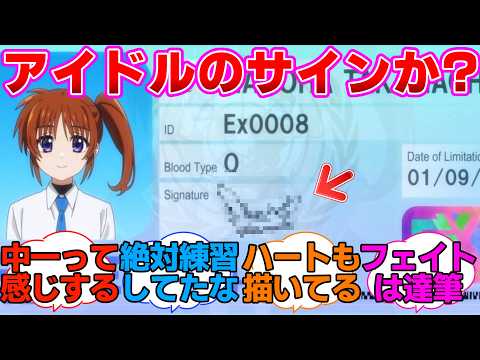
In Magical Girl Lyrical Nanoha StrikerS, viewers noticed that Nanoha wrote her official identification signature in an idol-like style, transforming the letter “N” into a heart shape. This seemingly small detail prompted widespread discussion online, with viewers commenting that the signature appeared “excited” and “cute.” The scene captures a moment when Nanoha, despite her experience as a veteran magical girl, displays the enthusiasm and innocence typical of a 13-year-old girl.
Why It Matters
This signature choice represents a deliberate narrative choice by the production team to emphasize Nanoha’s character complexity. Rather than portraying her as a fully mature soldier, the series intentionally preserves her youthful nature—a balance that distinguishes Nanoha from other magical girl characters. The signature demonstrates how even experienced fighters retain age-appropriate behaviors and emotions, making the character feel authentic and relatable. This approach reflects broader storytelling sophistication in anime, where subtle visual details carry psychological significance.
Background
Magical Girl Lyrical Nanoha StrikerS aired in 2009 as the third season of the franchise. The series marked a significant evolution from the original magical girl formula, introducing organizational structures, character development, and complex world-building. Nanoha, the protagonist, had already accumulated combat experience from previous seasons but remained a middle school student. Her assignment to Exeyes, a new special investigation agency, represented a significant career milestone—one that apparently excited her enough to choose a playful signature style.
The series takes place in Midchilda, a complex fantasy world with serious social problems and infrastructure challenges, not a typical magical girl setting. This darker context makes Nanoha’s youthful enthusiasm even more meaningful, as it represents hope and optimism amid adversity.
Key Points
- Nanoha’s idol-style signature—featuring a heart-shaped “N”—represents a deliberate character choice reflecting her 13-year-old perspective
- The signature appears during an official identification process, a normally formal moment, which heightens the contrast between bureaucratic seriousness and youthful exuberance
- Nanoha’s assignment to Exeyes, a new organization, likely influenced her excited emotional state when creating the signature
- A two-week enrollment gap exists between Nanoha and her colleague Fate, suggesting different levels of organizational familiarity and seniority
- Director Shinbo Akiyuki, known for embedding psychological depth in minor character details, likely intended this scene to reinforce Nanoha’s character theme of balancing maturity with youth
- Voice actress Yukari Tamura has emphasized that preserving Nanoha’s “girlish nature” remains central to the character’s portrayal across all seasons
Character Analysis: The Psychology Behind the Idol-Style Signature
The signature choice reveals Nanoha’s psychological state at a critical moment. Normally, official identification documents demand formal, mature signatures. However, Nanoha’s playful approach suggests that her excitement about joining a new organization overwhelmed her sense of bureaucratic formality. This behavior is psychologically consistent with adolescence—a developmental stage where enthusiasm can temporarily override learned professional behavior.
Compared to other magical girl characters of similar age, Nanoha’s signature stands out. Madoka Kaname from Puella Magi Madoka Magica, also 13 years old, would likely choose a conventional signature reflecting her character’s strong sense of responsibility. Sakura Kinomoto from Cardcaptor Sakura, though younger at 10 years old, displays age-appropriate innocence throughout her series. Nanoha occupies a unique middle ground: she possesses genuine combat experience and organizational responsibility, yet retains the emotional spontaneity of her age group.
The two-week enrollment gap between Nanoha and Fate carries additional significance. Fate, arriving later, would have less familiarity with Exeyes procedures. Nanoha, as the more senior member, might be expected to demonstrate greater composure. Instead, her signature suggests that the novelty and excitement of the new assignment affected her more than her seniority status.
Production Insights
Director Shinbo Akiyuki has built a reputation for embedding psychological complexity into minor character details. His other works, including Monogatari and Puella Magi Madoka Magica, demonstrate this approach consistently. The Nanoha signature likely represents an intentional creative decision to reinforce the series’ central theme: the coexistence of maturity and youth in a young person’s development.
Voice actress Yukari Tamura, who has portrayed Nanoha since the original series, has stated in interviews that maintaining Nanoha’s “girlish nature” represents a core aspect of the character. This production philosophy extends across all seasons, suggesting that the signature scene reflects a deliberate, sustained creative vision rather than an incidental detail.
Comparative Character Study
| Series | Character | Age | Signature Style | Character Trait |
|---|---|---|---|---|
| Cardcaptor Sakura | Sakura Kinomoto | 10 years old | Childlike and innocent | Age-appropriate innocence dominates |
| Puella Magi Madoka Magica | Madoka Kaname | 13 years old | Conventional and formal | Strong sense of responsibility |
| Magical Girl Lyrical Nanoha StrikerS | Nanoha Takamachi | 13 years old | Idol-style with heart | Balance of maturity and youthful enthusiasm |
The Midchilda Context
The series takes place in Midchilda, a complex world facing serious social challenges and infrastructure problems—not the typical magical girl setting. This darker context makes Nanoha’s youthful enthusiasm particularly meaningful. Her choice to write an excited, playful signature in such a serious world represents more than mere cuteness; it symbolizes hope, resilience, and the determination to maintain humanity and joy despite adversity. This thematic depth distinguishes Magical Girl Lyrical Nanoha StrikerS from conventional magical girl anime.
Online Reception and Fan Interpretation
Social media responses to this scene have been overwhelmingly positive. Twitter users frequently comment that the signature appears “excited” and “cute,” demonstrating that viewers accurately interpreted Nanoha’s emotional state. Discussion forums on 5channel featured deeper analysis, with users debating whether the signature reflected her age, her excitement about the new assignment, or the enrollment gap with Fate.
YouTube comments revealed a consistent theme: viewers appreciated that Nanoha retained age-appropriate behaviors despite her combat experience. Comments like “she still has an elementary school mindset” were not presented negatively but rather as evidence of the character’s authentic development. This positive reception suggests that audiences value the complexity of characters who balance multiple, sometimes contradictory traits.
Insights
Nanoha’s signature represents a sophisticated approach to character writing that has become increasingly rare in anime. Rather than forcing characters to “grow up” by abandoning youthful traits, the series demonstrates that maturity and youth can coexist. A person can accumulate combat experience, accept organizational responsibility, and still retain the emotional spontaneity of adolescence.
This character design philosophy reflects a deeper understanding of human development. Real adolescents do not transform into adults overnight; they gradually acquire adult responsibilities while retaining age-appropriate emotional responses. Nanoha’s signature captures this realistic transition perfectly—a moment where professional duty and youthful excitement collide, with excitement temporarily winning.
The production team’s attention to such minor details suggests a commitment to character authenticity that extends throughout the series. For viewers willing to examine these subtle moments, Magical Girl Lyrical Nanoha StrikerS rewards careful observation with deeper character understanding and thematic resonance.
Recommendations for New Viewers
For those interested in experiencing this scene’s full impact, watching the series from the beginning is essential. The original Magical Girl Lyrical Nanoha series establishes the Jewel Seed incident and Nanoha’s relationship with Fate—context necessary for understanding StrikerS. Additionally, exploring supplementary materials like the Lyrical Party voice dramas provides background on Exeyes’ establishment and the enrollment timeline differences between characters.
Paying close attention to minor character details throughout the series enhances appreciation for the production team’s sophisticated approach. The signature scene exemplifies how seemingly small moments carry significant psychological and thematic weight.