▶ Watch the original YouTube video
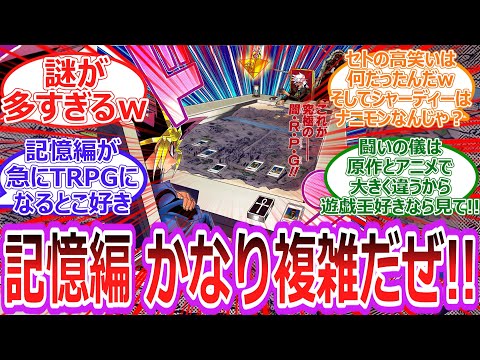
After re-reading the final chapter of Yu-Gi-Oh! Duel Monsters’ Memory Arc, fans and longtime analysts continue to grapple with unanswered questions about character fates and narrative closure. With over 15 years of anime and gaming analysis experience, we examine why this beloved series’ ending remains one of the most debated conclusions in shonen manga history.
What Happened
The Memory Arc, the final chapter of Yu-Gi-Oh! Duel Monsters, concluded the original manga series in 2004 after eight years of serialization. The arc culminates in a spiritual duel between Yugi and Atem in the memory world, ultimately leading to Atem’s departure from Yugi’s body and return to ancient Egypt. However, the ending left numerous plot threads unresolved, sparking ongoing debate within the fan community about character fates, narrative explanations, and the creators’ intentions.
Why It Matters
The Memory Arc’s ambiguous conclusion represents a pivotal moment in shonen manga storytelling. As a series that defined the trading card game genre and influenced an entire generation of anime and manga fans, how Yu-Gi-Oh! DM chose to end its narrative carries weight beyond the franchise itself. The debate surrounding its ending raises broader questions about whether intentional ambiguity constitutes artistic merit or represents incomplete storytelling—questions that continue to resonate with fans two decades later.
Background
Yu-Gi-Oh! Duel Monsters ran from 1996 to 2004, becoming a cultural phenomenon that transcended manga into a successful trading card game, anime adaptations, and multiple spin-off series. The Memory Arc emerged during a period when the franchise was expanding internationally and planning multiple anime sequels. This commercial context may have influenced how the creators approached the series’ conclusion, balancing the need for narrative closure with maintaining possibilities for future storylines within the broader Yu-Gi-Oh! universe.
The Memory Arc itself represents a departure from the tournament-based structure that dominated earlier chapters, instead focusing on spiritual and psychological themes. This shift toward more abstract storytelling set the stage for the ambiguities that would define its ending.
Key Points
- Unresolved character arcs: Major characters like Kaiba, Jonouchi, and Honda receive minimal closure in the final chapter, leaving their post-series fates unclear.
- Atem’s true nature remains ambiguous: The series never definitively explains whether Atem is a separate soul, Yugi’s alternate personality, or something else entirely.
- Four distinct fan interpretations: The fanbase divides into emotional satisfaction seekers, critics demanding clarity, those attributing gaps to anime adaptation cuts, and those viewing ambiguity as intentional artistic choice.
- Commercial pressures may have influenced structure: The ongoing card game and planned sequels may have necessitated an “open ending” to avoid contradicting future canon.
- Comparison to other long-running series: Unlike Dragon Ball’s straightforward conclusion or Naruto’s comprehensive character resolutions, Yu-Gi-Oh! DM chose deliberate narrative ambiguity.
- Potential franchise-wide narrative: Subsequent series like GX and 5D’s may contain answers to Memory Arc mysteries, suggesting the ending was designed as part of a larger interconnected story.
Timeline
- 1996: Yu-Gi-Oh! Duel Monsters manga begins serialization.
- 2000-2002: Anime adaptation airs; franchise expands internationally.
- 2004: Memory Arc concludes the original manga series; anime adaptation of final arc airs.
- 2004-2008: Yu-Gi-Oh! GX launches, introducing new characters and spiritual world concepts.
- 2008-2012: Yu-Gi-Oh! 5D’s continues franchise expansion.
- 2020s: Fans continue analyzing and debating Memory Arc’s narrative choices.
Perspectives
The Emotional Satisfaction View: Some fans interpret the ambiguity positively, seeing Atem’s departure as a poignant conclusion to the Yugi-Atem relationship. These viewers appreciate that the ending leaves room for personal interpretation and emotional resonance rather than clinical explanation.
The Narrative Clarity Perspective: Critics argue the ending suffers from insufficient explanation. They point to unresolved relationships—particularly between Kaiba and Atem—and the absence of closure for supporting characters as structural weaknesses rather than artistic choices.
The Adaptation Theory: Some fans hypothesize that the manga original contains more explanation than the anime adaptation, suggesting production constraints rather than authorial intent created the ambiguity.
The Intentional Ambiguity Thesis: A growing number of analysts argue the creators deliberately crafted an open ending to encourage viewer interpretation and maintain franchise flexibility. This perspective draws parallels to Neon Genesis Evangelion’s controversial finale, which was later recontextualized as intentionally provocative.
Insights
The Memory Arc’s enduring mystery reveals fundamental tensions in long-running serialized storytelling. When a series becomes a commercial franchise spanning multiple media formats, creators face competing pressures: delivering satisfying narrative closure while preserving narrative space for future expansion. Yu-Gi-Oh! DM’s solution—embracing ambiguity—satisfied some viewers while frustrating others.
The debate itself has become part of the series’ legacy. Unlike works with definitive endings that fade from discussion, the Memory Arc’s unresolved questions have sustained fan engagement for over two decades. Whether this represents artistic success or narrative incompleteness may ultimately depend on individual viewer expectations rather than objective criteria.
The franchise’s subsequent series suggest the ambiguity was at least partially intentional. GX’s exploration of spiritual worlds and 5D’s metaphysical themes build upon concepts introduced in the Memory Arc, implying the original ending was designed as a foundation for broader mythology rather than a self-contained conclusion.
For modern audiences approaching the Memory Arc fresh, the key insight is recognizing that this ending reflects a specific creative choice about how stories should conclude—not with comprehensive explanation, but with invitation for continued interpretation. Whether that choice succeeds depends on whether viewers value closure or contemplation more highly.