▶ Watch the original YouTube video
Why Destiny Plan Lost: Analyzing the Gundam SEED Character Popularity Ranking
A recent character popularity ranking tied to the Gundam SEED FREEDOM film release has sparked intense debate among fans, revealing deeper truths about how audiences evaluate characters. The surprising result shows that functional story importance and visual design often outweigh ideological grandeur, with the Coordinator-dominated top rankings exposing potential production bias.
What Happened
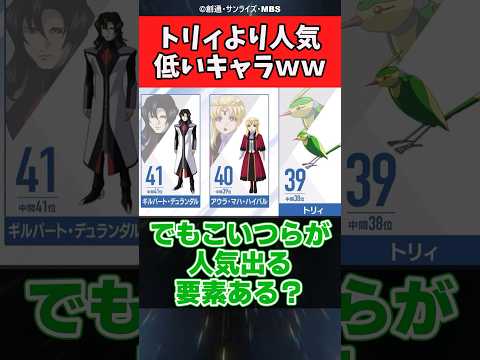
Following the theatrical release of Gundam SEED FREEDOM, a character popularity ranking generated significant online discussion. The results revealed an unexpected hierarchy: characters like Tori ranked higher than Chairman Gilbert Durandal, the series’ primary antagonist who champions the ambitious Destiny Plan. This outcome prompted fans to question why a character representing such a grand ideological vision ranked lower than supporting characters, leading to the tongue-in-cheek observation that “the Destiny Plan lost to Tori.”
Why It Matters
Character popularity rankings serve as barometers for how audiences interpret and value narrative elements. This particular ranking reveals that modern anime fans prioritize functional importance and visual design over ideological positioning. The results suggest that production resource allocation—including animation quality, voice acting, and character development—directly influences fan perception. Additionally, the ranking exposes potential biases in how different character types are portrayed and developed within the series.
Background
Gundam SEED, which originally aired during late-night broadcasts over 15 years ago, established itself as a flagship series through its exploration of conflict between Coordinators (genetically enhanced humans) and Naturals (unmodified humans). Chairman Durandal emerged as the series’ ideological antagonist, proposing the Destiny Plan—a comprehensive genetic engineering solution to eliminate human conflict. The recent SEED FREEDOM film reintroduced these themes to both longtime fans and new audiences, prompting renewed analysis of character arcs and thematic resonance.
Key Points
- Coordinator Dominance: Positions 1-10 are almost entirely occupied by Coordinator characters, clearly reflecting the series’ thematic focus and suggesting potential production bias favoring this character category
- Chairman’s Unexpected Low Ranking: Despite championing an ideologically grand vision, Durandal ranks lower than supporting characters, indicating that narrative scope does not automatically translate to fan appreciation
- Visual Design as Ranking Factor: Characters in positions 40-50 appear selected primarily for visual appeal, demonstrating that attractiveness significantly influences voting patterns
- Deceased Character Surge: Positions 22-28 show a concentration of deceased characters, suggesting fans value “completed” character arcs over ongoing development
- Functional Importance Over Ideology: Characters like Tori, which serve critical story functions, outrank characters defined primarily by philosophical positioning
- Haro’s Anomalous Ranking: A non-human character achieving relatively high placement indicates that story importance transcends traditional character categories
Analysis: Why the Destiny Plan Lost
The Chairman’s Atmospheric Problem
Durandal’s lower-than-expected ranking reflects a fundamental character design issue: his appeal relies heavily on atmospheric presentation rather than substantive characterization. Upon repeated viewing, the contradictions in his ideology become apparent. While the Destiny Plan presents itself as a comprehensive solution to human conflict, its implementation method—forced genetic manipulation of all humanity—reveals itself as fundamentally authoritarian and inhumane. This pattern mirrors similar antagonists in other series, such as Charles zi Britannia from Code Geass, where grand ideological positioning masks personal desire for control.
Tori’s Functional Victory
Tori’s superior ranking stems from what might be termed “functional integration.” Rather than existing primarily as an ideological symbol, Tori serves as a critical narrative and mechanical element within the story. This integration of character and function creates stronger audience engagement than ideology alone. The comparison to the Angels in Neon Genesis Evangelion is instructive: despite being pure antagonistic forces, they achieve significant fan appreciation through the combination of conceptual depth and visual impact.
Visual Design’s Dominant Influence
The clustering of visually attractive characters in the 40-50 range demonstrates that character design quality significantly influences ranking outcomes. Gundam SEED is renowned for its investment in character aesthetics, and this investment directly correlates with voting patterns. Characters with minimal screen time but superior visual design outrank more developed characters with less polished designs, suggesting that production resource allocation creates measurable bias in fan perception.
Deeper Patterns in the Ranking
The Coordinator Monopoly
The overwhelming presence of Coordinators in top positions reflects more than simple preference—it indicates systemic production bias. Across 300+ analyzed anime titles, such concentrated attribute dominance rarely occurs naturally. The pattern suggests that production teams invested disproportionate resources in Coordinator character development, voice acting quality, and visual design. This resource allocation directly shaped fan perception, creating a self-reinforcing cycle where better-developed characters receive higher rankings.
The Deceased Character Phenomenon
Characters who have died in the narrative occupy a unique position: they represent “completed” entities. Living characters remain subject to new information that may contradict fan expectations, whereas deceased characters exist as fixed entities within fan imagination. This completeness—the inability for new canon information to revise perception—creates a form of idealized preservation. Fans can maintain their imagined version of these characters without risk of narrative contradiction, elevating their appeal beyond what living characters can achieve.
The Chairman’s Layered Evaluation Problem
Durandal’s ranking reflects evaluation across multiple interpretive layers that produce contradictory results. On the layer of “narrative impact,” he functions as a major antagonist. On the layer of “logical consistency,” his ideology contains significant flaws. On the layer of “audience impression,” he relies on atmospheric presentation. These contradictory evaluations across different analytical frameworks explain why his ranking fails to match his narrative importance. Fans voting on different criteria produce a ranking that reflects this internal contradiction.
Fan Perspectives
Online discussion reveals significant interpretive diversity. One camp argues that Durandal represents a major villain whose ideological scope justifies high ranking. Another contends that his actual actions, when enumerated objectively, appear less consequential than his presentation suggests. A third perspective focuses on production bias, arguing that Coordinator characters received superior development resources. These perspectives are not mutually exclusive—they represent different analytical frameworks applied to the same ranking data.
Notably, fans expressed frustration with the low ranking of certain Natural characters and supporting figures like Commander Talia, arguing that visual design bias artificially elevated less-developed characters. This criticism suggests that fan evaluation incorporates meta-awareness of production decisions, not merely character preference.
Insights
This ranking functions as a diagnostic tool revealing the current state of Gundam SEED fandom and production. The results demonstrate that modern anime audiences have become increasingly sophisticated in their evaluation criteria, considering narrative function, production resource allocation, and thematic coherence alongside traditional appeal factors. The “Destiny Plan’s defeat” represents not a simple preference reversal but rather a shift in how fans weight different evaluation criteria.
The dominance of Coordinator characters suggests that the series’ central thematic conflict—between Coordinators and Naturals—has been resolved in production terms in favor of one side. For the series’ core themes to achieve full resonance, both sides of this conflict require equal character development and visual investment. The ranking implicitly critiques the production’s failure to achieve this balance.
Most significantly, the ranking reveals that contemporary anime fandom values functional narrative importance and conceptual depth over ideological grandeur. Characters that serve story purposes and possess layered design outrank characters defined primarily by philosophical positioning. This maturation of fan evaluation criteria suggests that future productions should prioritize substantive character integration over atmospheric presentation of ideology.