▶ Watch the original YouTube video
A controversial scene in Mobile Suit Gundam SEED FREEDOM featuring the destruction of a Zogock mobile suit has sparked debate among fans for its apparent physical inconsistencies. Rather than a production error, the scene represents director Kazuyoshi Fukuda’s deliberate artistic choice to redefine Gundam as a super robot series, prioritizing dramatic impact over scientific accuracy.
What Happened
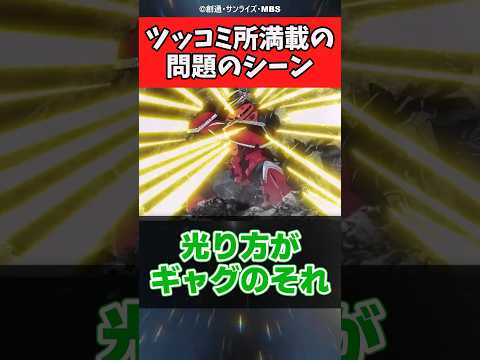
In Mobile Suit Gundam SEED FREEDOM, a Zogock mobile suit is destroyed in a scene that contains multiple physical contradictions. The Zogock’s reactive armor detonates, yet the nearby Freedom Gundam emerges unscathed and immediately continues combat with newly manifested equipment. Additionally, the Freedom Gundam’s facial damage from the explosion mysteriously repairs itself in the next shot. These inconsistencies have become a focal point of fan discussion since the film’s summer 2024 release.
Why It Matters
This scene encapsulates a fundamental shift in how modern Gundam productions approach the balance between physical realism and dramatic storytelling. The Zogock explosion represents a deliberate departure from the “real robot” aesthetic that defined earlier Gundam series, instead embracing the “super robot” tradition. Understanding this scene provides insight into contemporary anime production priorities and how franchises evolve to appeal to broader audiences while maintaining core fan engagement.
Background
The Gundam franchise has long oscillated between two design philosophies: real robot anime, which emphasizes mechanical plausibility and physics-based combat, and super robot anime, which prioritizes visual spectacle and emotional impact over scientific accuracy. Earlier Gundam series like Mobile Suit Gundam UC and Gundam 00 maintained relatively strong physical consistency in their action sequences. Mobile Suit Gundam SEED FREEDOM, directed by Kazuyoshi Fukuda, appears to have abandoned this approach in favor of pure visual drama. The Zogock explosion scene exemplifies this stylistic choice, drawing comparisons to classic super robot series like Mobile Fighter G Gundam and New Mobile Report Gundam Wing, where mechanical logic frequently takes a backseat to narrative momentum.
Key Points
- Physical Contradiction: The Zogock’s reactive armor explosion directly impacts the Freedom Gundam, yet causes no functional damage to the mobile suit or its pilot.
- Equipment Inconsistency: The Freedom Gundam’s shield and rail gun appear immediately after the explosion without explanation of their previous location or deployment mechanism.
- Damage Reversal: Visible damage to the Freedom Gundam’s facial features disappears in subsequent shots with no in-narrative explanation.
- Directorial Intent: Director Fukuda has consistently prioritized visual impact and emotional resonance over mechanical realism throughout his career, as evidenced in previous Gundam SEED productions.
- Fan Reception: Online responses have been mixed, with some viewers embracing the scene’s absurdist humor while others view it as a production failure.
- Genre Redefinition: The scene represents a conscious shift from real robot to super robot conventions, fundamentally reframing what Gundam can be as a franchise.
Timeline
- 2008: Original Mobile Suit Gundam SEED DESTINY aired, establishing Fukuda’s directorial style of prioritizing drama over consistency.
- 2024 Summer: Mobile Suit Gundam SEED FREEDOM theatrical release introduces the controversial Zogock explosion scene.
- Post-Release: Scene generates significant online discussion across Twitter, YouTube, and forum communities regarding its physical inconsistencies.
Perspectives
The Dramatic Interpretation: Supporters argue that the scene’s contradictions are intentional artistic choices designed to maximize emotional impact and visual spectacle. They contend that strict adherence to physical laws would diminish the scene’s dramatic power and that Gundam’s evolution into super robot territory represents a valid creative direction.
The Consistency Perspective: Critics maintain that the scene represents either production negligence or a troubling departure from the franchise’s established standards. They point to series like Gundam UC, which successfully balanced dramatic action with mechanical plausibility, as evidence that both qualities can coexist.
The Production Reality: Industry observers suggest that compressed production schedules for theatrical releases may have contributed to insufficient time for scene verification and continuity checking, though this remains speculative.
The Broader Context: Long-time Gundam fans recognize that physical inconsistencies have appeared throughout the franchise’s history, particularly in earlier super robot-influenced entries. The Zogock scene may represent a cyclical return to these traditions rather than an unprecedented departure.
Insights
The Zogock explosion scene illuminates a critical tension in modern anime production: the conflict between artistic vision and technical consistency. Director Fukuda’s choice to embrace super robot conventions suggests that contemporary anime franchises are increasingly willing to sacrifice realism for emotional resonance, particularly when targeting expanded audiences beyond core enthusiasts. This shift reflects changing viewer priorities, where spectacle and character-driven storytelling often outweigh mechanical logic.
The scene’s reception also demonstrates that fan communities can simultaneously acknowledge logical inconsistencies while celebrating them as markers of artistic boldness. Rather than viewing the contradictions as failures, many viewers have reframed them as expressions of directorial personality—a willingness to prioritize feeling over function.
Ultimately, the Zogock explosion represents not a mistake but a statement: that Gundam, after four decades of evolution, can encompass multiple definitions simultaneously. Whether this direction strengthens or weakens the franchise remains a matter of perspective, but the scene’s enduring memorability suggests that Fukuda’s gamble on dramatic impact over consistency has achieved its intended effect.