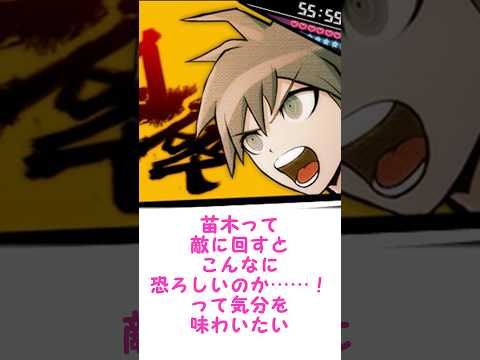
▶ Watch the original YouTube video
What If Kuro Were the Protagonist? Danganronpa Fans Reimagine the Series with Creative Analysis
A viral video compilation has sparked widespread discussion in the Danganronpa fan community by exploring a hypothetical scenario: what if Kuro, the “Ultimate Carpenter,” were the protagonist instead of Makoto Naegi? The thought experiment reveals how character selection shapes narrative structure and demonstrates the maturity of fan analysis in anime and gaming communities.
What Happened
A video essay has circulated through fan communities presenting reactions and analyses to the hypothetical premise of Kuro serving as the main character of the Danganronpa series. Rather than dismissing this as mere fan fiction, the video and subsequent discussions reveal sophisticated analytical frameworks that fans use to understand narrative design. The premise challenges viewers to consider how a single character substitution would fundamentally alter the story’s trajectory, mystery-solving approach, and thematic focus.
Why It Matters
This type of character-replacement analysis has become a significant trend in anime and gaming communities over the past several years, reflecting the evolution of fan engagement from simple preference statements to complex structural critique. By imagining alternative protagonists, fans develop deeper understanding of why creators made specific character choices and how those decisions shape entire narratives. This analytical approach demonstrates that modern fan communities engage with media as sophisticated critics rather than passive consumers, examining the mechanics of storytelling itself.
Background
Danganronpa is a visual novel and anime series centered on Makoto Naegi, a high school student with the talent of “Ultimate Lucky Student.” Despite possessing this supernatural ability, Naegi solves mysteries through logic and human relationships rather than relying on luck. Kuro, by contrast, is the “Ultimate Carpenter”—a character with practical, hands-on expertise and a pragmatic worldview shaped by his profession. The series is known for its strong character designs and the way protagonist selection influences how players engage with mysteries and other characters.
Character-replacement analysis emerged as a notable fan practice around 2018, gaining momentum as communities sought deeper engagement with source material. Similar discussions have occurred in other major franchises, including “Attack on Titan” (imagining Armin as protagonist) and “Demon Slayer” (reimagining Nezuko in the lead role).
Key Points
- The hypothetical scenario of Kuro as protagonist would fundamentally alter the mystery-solving approach, shifting from psychological contradiction analysis to physical and structural impossibilities
- Naegi’s “ordinariness” serves as the narrative foundation, allowing players to experience extraordinary events through a relatable perspective—a choice that becomes more apparent when contrasted with alternative protagonists
- Kuro’s carpenter background would introduce different relationship dynamics with other characters, replacing Naegi’s trust-building through luck and empathy with trust earned through practical competence and professional pride
- The series’ central theme of “hope versus despair” might shift toward themes of “reality versus idealism” or “individual versus collective” under Kuro’s pragmatic worldview
- Fan reactions demonstrate that this analysis serves not to critique the original choice but to deepen understanding of why Makoto Naegi was selected as protagonist
- This analytical trend reflects the maturation of fan communities, moving beyond binary “like/dislike” responses toward multi-layered structural analysis
Timeline
- 2012: Danganronpa 2 released; character-replacement analysis begins emerging in fan discussions
- 2015: Similar analytical discussions gain prominence in “Attack on Titan” fandom
- 2018: Character-replacement analysis becomes a recognizable trend across anime and gaming communities
- 2020: “Demon Slayer” fandom engages in comparable hypothetical protagonist discussions
- Present: Video compilation of Kuro-as-protagonist reactions circulates, generating renewed community engagement
Perspectives
Supporting the Thought Experiment: Many fans argue that imagining Kuro as protagonist reveals untapped narrative potential. Twitter discussions highlight how his practical, carpenter-based approach to problem-solving would create more physically grounded mysteries. Fans express curiosity about how his professional pride and pragmatism would reshape relationships with other characters, potentially creating different emotional dynamics than Naegi’s luck-based charm.
Defending the Original Choice: Other community members emphasize that Makoto Naegi’s ordinariness is essential to Danganronpa’s structure. His lack of specialized knowledge mirrors the player’s perspective, creating identification and emotional investment. These fans argue that while Kuro as protagonist would create a different story, not necessarily a better one—merely a different one.
Creative Expansion: A third perspective uses this hypothetical to propose new creative directions. Fans suggest that future Danganronpa installments could explore Kuro’s perspective more deeply, potentially creating spin-offs or alternative narratives that leverage his carpenter expertise for innovative mystery design.
Insights
The widespread engagement with this hypothetical scenario illustrates how modern fan communities function as collaborative analytical spaces. By asking “what if Kuro were protagonist,” fans are not critiquing the original work but rather performing a form of structural analysis that illuminates the intentionality behind creative decisions.
This trend reflects broader patterns in media criticism where fans move beyond consumption to active interpretation. The character-replacement method serves as a pedagogical tool—by imagining alternatives, fans develop literacy in narrative design, understanding how protagonist selection determines mystery structure, character relationships, and thematic focus.
The Danganronpa community’s engagement with this premise demonstrates that fan analysis has matured significantly. Rather than expressing preferences through simple approval or disapproval, contemporary fans construct sophisticated counterfactual scenarios that deepen their understanding of how stories work. This analytical maturity suggests that fan communities are increasingly recognized as legitimate interpretive communities capable of rigorous media criticism.
Looking forward, the potential for Danganronpa to explore Kuro’s perspective in future installments remains intriguing. Whether through spin-offs, alternative narratives, or protagonist shifts in new entries, the character’s untapped potential—rooted in his practical expertise and distinctive worldview—represents genuine creative possibility within the franchise’s established universe.