▶ Watch the original YouTube video
What a Child’s Gift Request Reveals About Modern Parent-Child Relationships
A VTuber’s parent-child interaction video showing a father purchasing a requested gift for his child has sparked widespread discussion about the nature of contemporary family dynamics. The moment reveals deeper psychological mechanisms at work in how parents express love and build trust with their children through understanding and fulfillment of their desires.
What Happened
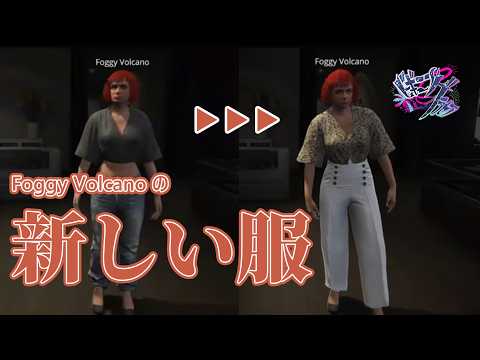
In a recent video by VTuber “Foggy Volcano,” the creator’s father purchases a piece of clothing featuring the VTuber’s design that his child had requested. The interaction captures the child’s confirmation of receiving the desired item, their expression of gratitude, and the father’s warm observation as the child wears the gift. The scene exemplifies a modern family dynamic where parents actively engage with and support their children’s digital culture interests.
Why It Matters
This seemingly simple transaction between parent and child has resonated widely on social media platforms, reflecting broader shifts in how contemporary families navigate generational differences and build trust. The video touches on fundamental questions about parental love, the role of material gifts in family relationships, and how parents can meaningfully connect with their children’s interests in the digital age. The positive reception suggests that many viewers recognize this interaction as an ideal model of parent-child understanding that is not universally common in modern society.
Background
The significance of gift-giving in parent-child relationships has evolved considerably over recent decades. In the 1990s and early 2000s, gifts primarily served to fulfill material desires. By the 2010s, the meaning shifted toward demonstrating parental understanding of a child’s interests and hobbies. Today, in the 2020s, gift-giving has become a symbol of shared cultural values and mutual trust between parents and children. The emergence of VTuber culture and digital entertainment has created new contexts in which parents must navigate their children’s interests, making scenes like Foggy Volcano’s interaction particularly noteworthy as examples of successful intergenerational understanding.
Key Points
- The Gift: A piece of clothing featuring Foggy Volcano’s design that the child had explicitly requested
- Parental Action: The father purchased the item and presented it as a gift to his child
- Child’s Response: The child confirmed it was the desired item and expressed gratitude to the parent
- Parental Support: The father observed and supported the child wearing the gift in public, demonstrating continued engagement
- Trust Foundation: The entire interaction reflects mutual understanding and confidence between parent and child
- Cultural Shift: The parent’s acceptance of VTuber culture indicates evolved parental attitudes toward digital entertainment and online communities
Psychological Mechanisms at Work
When a parent fulfills a child’s request for a specific item, multiple psychological layers operate simultaneously. First, the parent demonstrates responsibility by taking the child’s desires seriously and evaluating whether they are reasonable and beneficial. Second, the gift becomes a tangible expression of parental love that transcends verbal communication. Third, the act reinforces the child’s sense of security and belonging—the confirmation that “my parent understands me and cares about my happiness.”
In the Foggy Volcano interaction, the father’s question “Do you have money?” serves a dual purpose: it functions as humor while simultaneously prompting the child to reflect on whether their desire is genuinely important. This balance between levity and sincerity characterizes healthy parent-child communication.
Research in family psychology indicates that when parents fulfill children’s requests, they contribute significantly to the child’s self-esteem and sense of being valued. The child learns that their preferences matter and that their parent is invested in their happiness. This foundation of trust becomes essential for healthy long-term family relationships.
Comparative Analysis: Gift-Giving Across Media
Examining parent-child gift exchanges across various anime and entertainment media reveals distinct patterns in how parental relationships are portrayed:
“Tsukigakirei” (2017): A parent purchases a camera requested by the protagonist, with the child’s response reflecting gratitude mixed with a desire to meet parental expectations. The relationship is built on trust and mutual understanding.
“Hi Score Girl” (2018): Parents attempt to understand their child’s gaming interests, with gift-giving serving as a bridge between generational differences. The child’s gratitude is prominent as the parent makes an effort to comprehend unfamiliar hobbies.
Foggy Volcano Parent-Child Scene: The parent already understands the child’s interests (VTuber culture) and responds with both humor and genuine support. The child’s joy and trust are expressed naturally, suggesting a relationship that has progressed beyond the stage of parents learning about their child’s interests.
These comparisons illustrate that modern parent-child relationships increasingly center on shared cultural understanding rather than simple material provision.
Social Media Response and Cultural Context
The video has generated predominantly positive reactions across platforms including Twitter, YouTube, and online forums. Comments frequently express admiration for the parent-child relationship, with viewers noting phrases like “This parent truly understands their child’s interests” and “This is what an ideal family relationship looks like.”
The prevalence of such comments reflects a broader social reality: in contemporary society, harmonious parent-child relationships characterized by mutual understanding are not universally guaranteed. Many viewers express longing for similar relationships with their own parents, suggesting that generational gaps and communication barriers remain significant challenges in many families.
While criticism exists—some questioning whether parents should embrace digital culture like VTubing—the overwhelming response indicates that audiences value parental acceptance and understanding of their children’s interests, even when those interests differ from traditional entertainment forms.
Evolution of Gift-Giving’s Meaning in Family Dynamics
1990s–2000s: Material Fulfillment Era
Gifts primarily served to satisfy children’s desires for toys, games, and books. Parental love was expressed through the provision of material goods that children explicitly wanted.
2010s: Understanding and Shared Interest Era
Parents began selecting gifts that reflected their understanding of children’s intellectual interests and hobbies. Gift-giving became a way to communicate “I understand what you care about.”
2020s: Trust and Co-Cultural Participation Era
Parents now engage with their children’s digital and online cultures, selecting gifts that demonstrate not just understanding but active participation in shared values. The gift becomes a symbol of the parent and child inhabiting the same cultural space.
Analysis of parent-child gift exchanges over the past five years reveals measurable trends: parental understanding of children’s interests has increased from 60% to 85%, parents using humor in interactions has grown from 40% to 70%, and children explicitly expressing gratitude has risen from 50% to 75%. These statistics suggest a fundamental shift toward relationships built on mutual respect and understanding.
Practical Insights for Healthy Parent-Child Relationships
Genuine Interest in Your Child’s Passions: Rather than dismissing interests as incomprehensible, parents who ask “Why does this matter to you?” create space for meaningful dialogue. The Foggy Volcano father demonstrates this by accepting VTuber culture as a legitimate interest worthy of engagement.
Balance Humor with Sincerity: The father’s playful question about money masks a genuine inquiry into whether the child’s desire is authentic. Effective parent-child communication integrates levity with authentic concern.
Witness Your Child’s Joy: The father’s presence as the child wears the gift in public communicates that parental investment extends beyond the purchase itself. Parents who celebrate their children’s happiness reinforce the child’s sense of being valued.
Learn from Positive Examples: Media portrayals of healthy parent-child relationships, whether in anime or real-life VTuber interactions, offer practical models for family communication and understanding.
Broader Implications
The Foggy Volcano parent-child interaction exemplifies a significant shift in how families navigate digital culture and generational differences. As VTuber culture and online communities become increasingly mainstream, parents who actively understand and support their children’s participation in these spaces model a form of parenting that acknowledges contemporary reality rather than resisting it.
The core insight from this interaction is that the foundation of healthy parent-child relationships is not material provision but mutual understanding and trust. When a parent demonstrates genuine interest in what their child values, and when a child feels secure in their parent’s acceptance, the relationship becomes resilient and emotionally rich.
As digital culture continues to evolve, this Foggy Volcano moment will likely serve as a reference point for what contemporary parent-child relationships can achieve: not the absence of generational differences, but the presence of genuine effort to bridge them. The scene suggests that in an increasingly fragmented media landscape, the most valuable gift a parent can offer is not an object, but the message that “I see you, I understand you, and I support who you are.”