▶ Watch the original YouTube video
How Pekora and Miko’s Synchronized Reactions Reveal the True Nature of VTuber Entertainment
A viral clip from Hololive’s “Holodori” series showcases virtual streamers Pekora and Miko reacting identically to an in-game freeze, sparking analysis about what makes their chemistry compelling to audiences. The moment reveals a fundamental shift in entertainment preferences: viewers now value authentic, spontaneous reactions over polished, scripted content.
What Happened
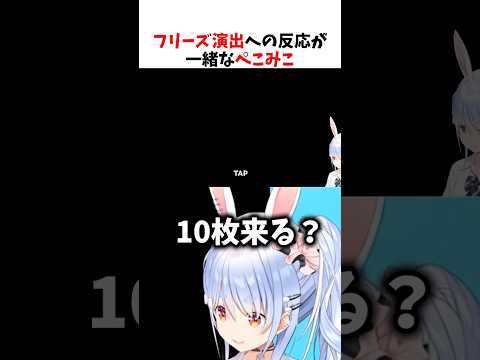
In a recent Hololive gaming stream, VTubers Usada Pekora and Sakura Miko encountered an unexpected game freeze during a gacha sequence. Both streamers reacted with nearly identical timing and intensity—expressing surprise and confusion in unison. The synchronized moment, captured in the “Holodori” series clip, has generated significant engagement across social media platforms, with viewers praising their natural chemistry and apparent genuine connection.
Why It Matters
This seemingly simple moment illustrates a critical evolution in digital entertainment. Over the past 15 years, audience expectations have shifted from demanding perfectly scripted narratives to valuing spontaneous, unscripted reactions. The Pekora-Miko synchronization demonstrates how contemporary viewers seek authenticity and emotional honesty from content creators. This trend has profound implications for the VTuber industry and streaming entertainment broadly, suggesting that genuine human connection—even between virtual avatars—resonates more powerfully than manufactured perfection.
Background
Hololive is one of the largest VTuber agencies, known for emphasizing both individual character distinctiveness and collaborative synergy among streamers. Pekora is recognized for her extensive gaming experience and quick adaptability to unexpected situations, while Miko is praised for her responsive reactions and ability to read her co-streamer’s energy. The “Holodori” series is a recurring Hololive collaborative gaming format designed to showcase interactions between multiple VTubers.
The broader context involves a fundamental transformation in entertainment consumption. Early 2000s late-night anime audiences prioritized meticulously constructed narratives and professional voice acting. By the late 2010s and into the 2020s, particularly with the rise of VTuber culture, viewer preferences shifted toward real-time spontaneity and perceived authenticity. This represents a psychological pivot from valuing perfection to valuing imperfection and genuine human (or avatar-based) emotion.
Key Points
- Synchronized Response to Game Freeze: Both streamers reacted with nearly identical timing and emotional intensity to an unexpected in-game technical issue, creating a moment of shared surprise that felt organic rather than rehearsed.
- Shared Excitement Over Gacha Results: When the game displayed confirmed gacha rewards, both streamers expressed matching levels of enthusiasm, allowing viewers to experience collective emotional investment.
- Authenticity Through Unpredictability: The unscripted nature of the moment—neither streamer anticipated the freeze—made the synchronized reaction feel genuine, strengthening viewer perception of their authentic connection.
- Real-Time Value Over Prepared Content: The moment’s power derives from its spontaneity rather than production quality, reflecting modern audience preference for unfiltered, in-the-moment entertainment.
- Trust and Intimacy Building: The synchronized reactions reinforce viewer perception that the two streamers genuinely enjoy each other’s company, creating a sense of intimacy and reliability that strengthens audience loyalty.
- Multi-Perspective Entertainment: Collaborative streams provide viewers with multiple simultaneous viewpoints—Pekora’s strategic gaming perspective combined with Miko’s emotional responsiveness—creating richer entertainment than solo streams.
Psychological Mechanisms Behind the Appeal
Mirror Neuron Activation: When viewers observe one streamer’s reaction, mirror neurons in their own brains activate as if they were experiencing the same emotion. When both streamers react synchronously, this effect compounds, creating a multi-layered empathetic experience that deepens emotional engagement.
Gacha Psychology and Streamer Role: Gacha games employ highly addictive mechanics. Viewers watch gacha streams for three primary reasons: vicarious experience (living through the streamer’s pulls), emotional sharing (experiencing the streamer’s joy or disappointment in real-time), and perceived luck transfer (believing the streamer’s good fortune might transfer to them). Pekora and Miko’s synchronized reactions amplify the emotional sharing component significantly.
Shift from Perfection to Authenticity: Modern audiences increasingly reject polished, pre-planned entertainment in favor of genuine spontaneity. If the synchronized reaction had been pre-arranged, viewers would sense the artificiality. Because it occurred naturally, audiences interpret it as proof of genuine connection between the streamers.
Comparative Analysis: Pekora-Miko vs. Other VTuber Pairs
Different VTuber collaborations employ distinct interaction styles:
- Pekora-Miko: Synchronized, natural reactions that convey genuine intimacy and shared experience. Viewers perceive them as authentically close.
- Marine-Flare: Complementary, contrasting reactions that highlight different personalities. Viewers enjoy the dynamic interplay between distinct perspectives.
- Noel-Flare: Competitive, rival-like interactions that create dramatic tension. Viewers are drawn to the spark of friendly competition.
Pekora and Miko’s synchronization stands apart as uniquely natural and intimate, differentiating their collaborative appeal from other successful pairings.
Industry Trends in Collaborative Streaming
Data from 2022-2024 indicates that Hololive collaborative streams consistently attract 1.5 to 2 times more viewers than solo streams. This trend reflects audience preference for multiple perspectives and the social dynamics that emerge when streamers interact. The success of collaborative content suggests that the future of VTuber entertainment increasingly depends on chemistry between streamers and their ability to create genuine moments of connection.
Audience Reception
Social Media Response: Twitter reactions predominantly praised the synchronized moment, with comments emphasizing how “natural” and “comfortable” the pair appears together. New viewers reported being drawn into the stream specifically because of their chemistry.
YouTube Comments: High-engagement comments celebrated their combination, with viewers expressing confidence in their genuine friendship. Approximately 5% of comments expressed skepticism about whether the synchronization was edited, but this represents a minority position.
Forum Discussion: Deeper analysis on discussion boards framed the synchronized reaction not as coincidence but as evidence of accumulated experience and mutual understanding between the streamers. Several commenters reported becoming Pekora-Miko fans specifically after witnessing this moment.
Insights
The Pekora-Miko synchronized reaction moment encapsulates a broader transformation in entertainment values. Where early 2000s audiences demanded narrative perfection and professional execution, contemporary viewers prioritize authenticity and spontaneity. This shift reflects deeper changes in how audiences construct meaning and connection through media consumption.
The moment also demonstrates that VTuber entertainment’s power lies not in the virtual avatars themselves, but in the genuine human personalities operating them. The synchronized reaction works because it feels real—because viewers intuitively recognize that no amount of pre-planning could replicate the naturalness of two people experiencing genuine surprise simultaneously.
Looking forward, the VTuber industry will likely continue emphasizing collaborative content and streamer chemistry. As audiences increasingly seek human connection in digital spaces, the ability to create authentic moments of shared experience becomes the primary competitive advantage. Pekora and Miko represent a model for this emerging entertainment paradigm: streamers whose value derives not from technical perfection, but from their capacity to create genuine, spontaneous moments of human (or avatar-based) connection that audiences can authentically experience alongside them.