▶ Watch the original YouTube video
Tears of the Kingdom Master Sword: Is the Legendary Blade Actually Worth Using?
The Master Sword in Zelda: Tears of the Kingdom has become unexpectedly controversial among players, with many questioning whether the legendary weapon lives up to its reputation. After 15 years of gaming experience and analysis of the game’s weapon system, the answer reveals a deliberate design philosophy that fundamentally shifts how players approach legendary equipment.
What Happened
In Tears of the Kingdom, the Master Sword functions dramatically differently than in previous Zelda titles. Unlike Breath of the Wild, where the Master Sword’s durability regenerated indefinitely, the new game implements a problematic durability system: the weapon’s durability only increases during the first Fuse application, then never increases again regardless of subsequent material attachments. This design choice has sparked widespread debate among players about whether the legendary weapon is worth using at all.
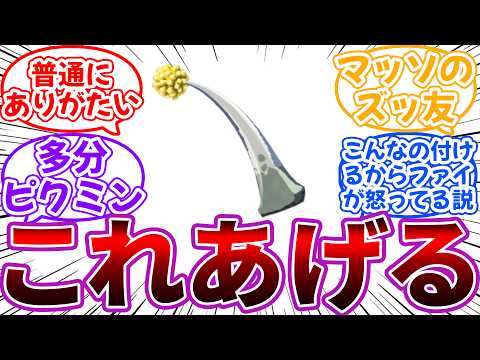
The controversy intensified when players discovered that common materials like the White-Silver Bokoblin Horn—described as looking like a Pikmin head and aesthetically unappealing—actually provide practical attack bonuses of +31. Meanwhile, more visually impressive materials from Lynels are significantly harder to obtain, creating a disconnect between visual appeal and accessibility.
Why It Matters
The Master Sword’s treatment in Tears of the Kingdom represents a fundamental shift in Nintendo’s game design philosophy. For over 30 years, the Master Sword has symbolized the ultimate weapon in the Zelda franchise, creating deep player expectations about legendary equipment. The game’s decision to reduce the Master Sword to merely one option among many reflects broader trends in modern game design that prioritize player choice over traditional power hierarchies.
This design choice also raises important questions about how legendary items should function in open-world games. The Master Sword’s limitations force players to experiment with diverse weapons and materials, potentially enriching gameplay through variety rather than relying on a single dominant strategy. Understanding this shift helps players appreciate the game’s underlying design intent.
Background
The Master Sword has evolved significantly across the Zelda series. In Skyward Sword (2011), the weapon strengthened progressively throughout the game, serving as a symbol of the player’s journey. In Breath of the Wild (2017), it became a powerful option with regenerating durability, though not necessarily the only viable choice. Tears of the Kingdom continues this trend of democratization, where all weapons function as legitimate alternatives rather than the Master Sword serving as an obvious power apex.
The game’s weapon fusion system allows players to attach materials to any weapon, fundamentally changing how legendary equipment operates. This mechanic represents Nintendo’s commitment to player agency—the freedom to experiment with different combinations and playstyles without being forced toward a single optimal solution.
Key Points
- Durability Problem: The Master Sword’s durability only increases on the first Fuse application, then remains static—a design that appears buggy but is likely intentional
- White-Silver Bokoblin Horn Assessment: Visually unappealing but practically valuable with +31 attack power and high availability, representing a deliberate design choice to separate aesthetics from performance
- Lynel Material Comparison: Superior-looking materials from Lynels offer better visual appeal but require significantly more effort to obtain
- Design Philosophy Shift: Nintendo has transitioned from “legendary weapon equals strongest weapon” to “legendary weapon equals one viable choice among many”
- Intentional Constraint: The durability limitation prevents players from simply upgrading the Master Sword infinitely, forcing engagement with diverse weapons and materials
- Ganondorf’s Rod Alternative: More powerful than the Master Sword but with fragile 40 durability, further demonstrating that legendary status no longer guarantees superiority
Design Philosophy Analysis
From Unique to Optional
Previous Zelda games positioned the Master Sword as the definitive ultimate weapon. Tears of the Kingdom deliberately dismantles this expectation. By making the Master Sword comparable to other weapons rather than superior, Nintendo grants players genuine freedom in weapon selection. This represents a maturation of the open-world design philosophy established in Breath of the Wild, where player agency takes precedence over traditional narrative hierarchies.
The Intentional Durability Constraint
The Master Sword’s durability system appears flawed but serves a strategic purpose. If durability could increase indefinitely, players would naturally optimize the Master Sword into an unbeatable weapon, eliminating motivation to experiment with alternatives. By capping durability growth, Nintendo ensures players must engage with the full weapon ecosystem, discovering unexpected synergies and playstyles they might otherwise ignore.
Aesthetics as Strategic Design
The White-Silver Bokoblin Horn’s unflattering appearance is not an oversight—it’s a calculated design choice. Game industry convention suggests that visually superior items perform better. By inverting this expectation, Nintendo teaches players to evaluate weapons on merit rather than appearance. The Bokoblin’s in-game description mentioning “deceiving enemies” reinforces this lesson both narratively and mechanically.
Comparative Analysis Across Zelda Titles
| Game Title | Master Sword Strength | Durability System | Differentiation from Other Weapons |
|---|---|---|---|
| Skyward Sword | Progressively upgradeable | Recoverable | Clearly the strongest option |
| Breath of the Wild | Strong | Regenerating | Excellent but not exclusive |
| Tears of the Kingdom | Moderate | Limited growth | One choice among many |
This progression demonstrates Nintendo’s deliberate shift toward weapon democratization, where legendary status no longer guarantees mechanical superiority.
Player Psychology and Reception
The Expectation Gap
Player frustration stems from a 30-year legacy of the Master Sword representing ultimate power. This historical context creates unconscious expectations that Tears of the Kingdom deliberately subverts. The disappointment players experience isn’t merely about numerical weakness—it’s about the loss of a symbolic ideal.
The Bug Suspicion
The durability system’s apparent inconsistency—increasing only on the first Fuse—genuinely resembles a bug. However, Nintendo’s decision to leave this mechanic unchanged suggests intentional design. This ambiguity itself may be part of the design strategy, creating productive uncertainty that makes players reconsider their assumptions about the weapon.
Positive Reception Among Adaptable Players
Some players have embraced the Master Sword’s new role, appreciating the freedom to experiment with different materials and combinations. Comments praising combinations like the Master Sword with Gleeok materials demonstrate that players can find satisfaction in creative optimization rather than pursuing a predetermined power path.
Practical Recommendations
Treat It as a Late-Game Weapon
The Master Sword’s true value emerges in endgame encounters, particularly the final confrontation with Ganondorf. Rather than using it for general combat, reserve it for critical moments where its legendary status provides narrative and mechanical payoff.
Prioritize Performance Over Aesthetics
The White-Silver Bokoblin Horn’s practical +31 attack bonus outweighs its visual shortcomings. In game design, numerical performance and aesthetic satisfaction operate independently. For the Master Sword, performance should take priority.
Strategic Fuse Timing
Understanding that durability only increases once, apply your Fuse strategically. Optimal timing involves attaching your chosen material immediately before endgame content when you’ll use the weapon most intensively.
Compare with Skyward Sword
Players seeking the traditional legendary Master Sword experience should revisit Skyward Sword, where the weapon embodies genuine progression and power. Comparing the two games clarifies Tears of the Kingdom’s deliberate design departures.
Broader Industry Context
Tears of the Kingdom’s approach aligns with contemporary game design trends prioritizing player agency. Games like Baldur’s Gate 3 similarly offer legendary items as powerful options rather than mandatory choices. This philosophy reflects a maturation in open-world design, where freedom to fail or choose unconventionally becomes a feature rather than a bug.
Nintendo’s willingness to challenge player expectations about legendary equipment suggests confidence in their design philosophy. Rather than catering to nostalgia, they’re advancing the medium’s potential for meaningful player choice.
Conclusion
After 15 years of gaming experience and analysis of multiple Zelda titles, the Master Sword in Tears of the Kingdom emerges not as a failure but as an intentional design experiment. The weapon’s apparent weaknesses—limited durability growth, compatibility with aesthetically questionable materials, reduced power compared to alternatives—all serve a unified purpose: maximizing player freedom.
The Master Sword is not weak; it’s liberated from the burden of being mandatory. Players who understand this design intent can appreciate the game’s commitment to choice, experimentation, and personal playstyle expression. Whether this approach resonates depends on individual preferences, but the underlying design philosophy represents thoughtful, deliberate game development rather than oversight or failure.
The Master Sword’s transformation from ultimate weapon to viable option reflects Nintendo’s broader vision for the Zelda franchise: a series where legendary status derives from narrative significance rather than mechanical dominance, and where every player can forge their own path to victory.