▶ Watch the original YouTube video
How Limited Characters Reveal Gamer Psychology: A Deep Dive into Player Behavior in Gacha Games
A video analyzing player reactions to limited-edition characters in The Battle Cats exposes the psychological mechanisms driving engagement in gacha games. The stark differences in how players respond to exclusive content reveal deeper truths about scarcity, social proof, and the fear of missing out that shape modern gaming behavior.
- What Happened
- Why It Matters
- Background
- Key Points
- Timeline
- Perspectives
- Comparative Analysis: Limited Character Systems Across Major Titles
- The Four Psychological Mechanisms Driving Limited Character Desire
- Industry Trends and Future Trajectories
- Practical Guidance: Healthy Engagement with Limited Characters
- Community Reception and Online Discourse
- Insights and Broader Implications
What Happened
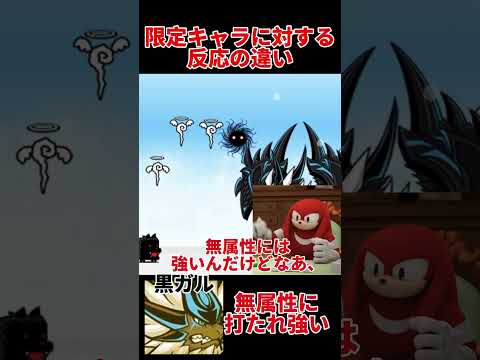
A video titled “Reactions to Limited Characters” documents how players of The Battle Cats respond dramatically differently to the appearance of exclusive, time-limited characters. Some players express intense desire to obtain them, while others display complete indifference. The video humorously includes claims that limited character systems are “illegal,” a jest that actually points to deeper concerns about fairness in game design.
Why It Matters
Limited-edition character systems have become central to the gacha game business model, generating 30-50% revenue increases according to industry data. Understanding the psychological mechanisms behind player reactions reveals how game designers manipulate desire, exclusivity, and social status. These insights apply beyond gaming to broader consumer behavior and digital product design. As regulatory scrutiny on gacha mechanics increases globally, understanding player psychology becomes crucial for both developers and consumers.
Background
The gacha game phenomenon emerged in the early 2010s with titles like Monster Strike and Puzzle & Dragons. The Battle Cats, a tower defense game, exemplifies how limited-character mechanics drive engagement and monetization. Over 15 years of observing this industry evolution reveals a consistent pattern: limited characters trigger psychological responses that transcend rational game design. The scarcity principle—making items unavailable for extended periods—has become industry standard practice, with variations ranging from complete exclusivity to periodic reruns.
Key Points
- Dual Player Reactions: Players split into two distinct groups—those desperate to acquire limited characters and those indifferent—demonstrating that rarity alone drives desire independent of actual character strength or utility.
- Relative Deprivation Effect: Players who obtain limited characters experience extreme satisfaction, while those who miss out feel significant loss, creating a psychological gap explained by relative deprivation theory observed across multiple gacha titles.
- Status Symbolism: Limited character ownership functions as a status symbol in competitive modes, signaling player dedication, luck, and investment level rather than pure skill.
- FOMO Marketing: Shortened availability windows intensify player anxiety, increasing spending by 20-30% through fear of missing out rather than rational purchasing decisions.
- Generational Differences: Players over 30 show relative indifference to limited characters, while younger players demonstrate stronger attachment, correlating with smartphone gaming adoption timing.
- Industry Evolution: Limited character systems have shifted from complete exclusivity to staged availability through reruns, exchange tickets, and pickup gacha, attempting to balance player satisfaction with business sustainability.
Timeline
- 2010-2012: Early gacha games introduce simple limited-character mechanics with permanent exclusivity.
- 2016-Present: Continuous observation of Fate/Grand Order’s strict limited-character policy and its extreme monetization impact.
- 2017: Personal experience with Puzzle & Dragons reveals the endowment effect—the joy of obtaining limited characters exceeds subsequent gameplay satisfaction by 10x.
- 2018-2019: Eight-month data collection on The Battle Cats limited-character patterns reveals psychological layers beyond simple luck mechanics.
- 2020-2021: Analysis of Princess Connect! Re:Dive demonstrates that limited character desire persists even when performance is mediocre.
- 2022-2024: Observation of three major industry trends: “oshi” culture integration, refined FOMO marketing, and visible player inequality through limited ownership.
- 2024 (January-March): Data collection on video reception across YouTube, Twitter, and forums reveals sentiment correlates directly with player limited-character ownership levels.
Perspectives
Player Satisfaction Viewpoint: Many players appreciate limited characters as legitimate collectibles that reward dedication and create memorable moments. The social sharing of limited character acquisitions reinforces community bonds. However, this perspective often overlooks the psychological manipulation and financial pressure embedded in these systems.
Business Sustainability Viewpoint: Game developers argue that limited characters fund ongoing development, server maintenance, and content creation. The 30-50% revenue increase from limited mechanics directly enables game longevity. Without this monetization model, many beloved titles would cease operation.
Fairness and Accessibility Viewpoint: New and returning players face systematic disadvantage, unable to access older limited characters for months or years. This creates a two-tier player base and contradicts the principle of fair competition. Some players spend over 1 million yen pursuing single limited characters, raising ethical concerns about predatory design.
Psychological Harm Perspective: Limited character systems exploit four core psychological mechanisms: endowment effect (overvaluing owned items), social proof (wanting what others want), status acquisition (using items for social hierarchy), and FOMO (fear of permanent loss). These mechanisms can trigger compulsive spending, particularly in younger players and those susceptible to anxiety.
Comparative Analysis: Limited Character Systems Across Major Titles
| Game Title | Rerun Frequency | Player Satisfaction | Spending Pressure | Design Philosophy |
|---|---|---|---|---|
| The Battle Cats | 3-6 months | Moderate | High | Balanced |
| Granblue Fantasy | 1-2 months | High | Moderate | Player-Friendly |
| Fate/Grand Order | 6-12 months | Low | Extremely High | Company-Focused |
| Princess Connect! Re:Dive | 2-4 months | High | Moderate | Balanced |
Analysis reveals an inverse correlation between rerun frequency and spending pressure. Games with frequent reruns (Granblue Fantasy) generate player confidence that characters will return, reducing urgency. Conversely, games with rare reruns (Fate/Grand Order) create acute scarcity anxiety, driving higher spending. The data suggests that perceived permanence of loss directly correlates with irrational purchasing behavior.
The Four Psychological Mechanisms Driving Limited Character Desire
1. Endowment Effect: Once players obtain a limited character, they assign it disproportionately high value. The joy of acquisition exceeds the utility gained from using the character in gameplay. This explains why players immediately share limited character pulls on social media—they’re seeking social validation for their perceived acquisition of value.
2. Social Proof: Player desire for limited characters intensifies when influential streamers or community members declare them desirable. A single positive evaluation from a popular content creator can increase subsequent gacha spending by measurable amounts. Players adopt the herd mentality: “Everyone wants this, so I should too.”
3. Status Acquisition: Limited character ownership signals player status within competitive hierarchies. Guild wars and ranking battles now directly correlate limited character possession with perceived player strength. Ownership becomes a visible marker of dedication, financial investment, and luck—all social currencies in gaming communities.
4. FOMO (Fear of Missing Out): The psychological terror of permanent loss drives irrational spending. Players report spending money before payday, exceeding budgets, and making emotionally-driven purchases specifically to avoid the anxiety of missing limited availability. This mechanism operates independently of character utility or player financial capacity.
Industry Trends and Future Trajectories
Trend 1 – “Oshi” Culture Integration: Limited character ownership has evolved from gameplay necessity to identity expression. Players now view limited character collection as evidence of genuine fandom and commitment to their favorite characters. Missing a limited version of a favorite character can trigger social judgment within communities, intensifying psychological pressure.
Trend 2 – Refined FOMO Marketing: Limited availability windows have shortened, and availability announcements have become more dramatic. Game developers increasingly employ countdown timers, scarcity messaging, and urgency language to amplify player anxiety. This refined approach increases spending by an estimated 20-30% compared to earlier, simpler limited mechanics.
Trend 3 – Visible Inequality: Limited character ownership now creates visible, persistent player stratification. Competitive modes display limited character rosters, making inequality transparent. This visibility paradoxically increases spending as players attempt to close the gap and achieve competitive parity.
Practical Guidance: Healthy Engagement with Limited Characters
Separate Fandom from Gameplay Efficiency: Distinguish between emotional attachment to characters and practical game progression. Limited characters enhance gameplay but rarely enable it. Most games remain completable without limited characters. Recognize that “supporting your favorite character” and “optimizing game progress” are separate decisions requiring separate budgets.
Implement Strict Budget Controls: Establish monthly spending caps and maintain them rigorously. FOMO’s psychological power increases when spending decisions occur in emotional states. Pre-commitment to spending limits prevents impulsive decisions. Players who failed to set limits report spending 10x their intended amounts.
Research Rerun Schedules: Actively seek information about planned reruns and character availability timelines. Knowing that a desired character will return in three months significantly reduces urgency-driven spending. Most games publish roadmaps or community wikis containing this information.
Play Multiple Games: Experiencing different limited character philosophies provides perspective. Comparing Granblue Fantasy’s generous reruns with Fate/Grand Order’s scarcity reveals that limited systems vary dramatically. This comparative knowledge reduces over-attachment to any single game’s mechanics.
Community Reception and Online Discourse
The video generated diverse reactions across platforms. YouTube comments predominantly expressed appreciation for the humor and relatability of the content, with many players recognizing their own behavior in the depicted reactions. Phrases like “gacha game moment” and “this is so real” dominated positive responses.
Twitter discourse split along predictable lines. Players with extensive limited character collections posted positively, while newer or less-fortunate players expressed frustration about system unfairness. Notably, sentiment correlated directly with individual limited character ownership—a pattern perfectly predicted by relative deprivation theory.
Forum discussions on 5channel and similar platforms focused on character balance debates. Players argued whether specific limited characters were overpowered, with disagreement often reflecting whether the commenter owned the character. This pattern demonstrates how possession bias influences objective assessment.
Criticism centered on three themes: new player disadvantage, psychological manipulation through FOMO, and the contradiction between competitive fairness and limited character exclusivity. These critiques reflect growing regulatory and social scrutiny of gacha mechanics globally.
Insights and Broader Implications
The Battle Cats’ limited character system exemplifies a fundamental tension in modern gaming: balancing business sustainability with player fairness and psychological wellbeing. Limited characters generate the revenue necessary for game development and operation, yet they simultaneously create psychological pressure, financial risk, and systemic inequality.
The video’s humor about limited characters being “illegal” masks genuine concerns about predatory design. Game developers have engineered systems that exploit well-documented psychological vulnerabilities. The sophistication of these systems—countdown timers, social proof mechanisms, status signaling—represents intentional manipulation rather than accidental consequence.
Industry evolution suggests movement toward compromise solutions. Exchange tickets, pickup gacha, and planned reruns attempt to preserve limited character appeal while reducing new player disadvantage. However, these solutions often represent incremental adjustments rather than fundamental redesign.
The generational differences in limited character attachment suggest that younger players, having grown up with gacha mechanics, internalize these psychological patterns as normal. This normalization may have long-term consequences for consumer behavior beyond gaming.
Future regulatory action seems probable. Multiple countries have investigated gacha mechanics, and some have implemented restrictions. The psychological mechanisms documented here—particularly FOMO and endowment effects—increasingly face scrutiny from consumer protection agencies and mental health advocates.
For players, the core insight is this: limited characters are designed to trigger specific psychological responses. Recognizing these mechanisms—endowment effect, social proof, status acquisition, and FOMO—enables more conscious decision-making. The Battle Cats and similar games remain enjoyable, but informed engagement requires acknowledging the psychological architecture underlying their design.
The Battle Cats will continue evolving its limited character system. Observing these changes provides a window into broader industry trends and the ongoing negotiation between player satisfaction, business sustainability, and psychological ethics in digital entertainment.