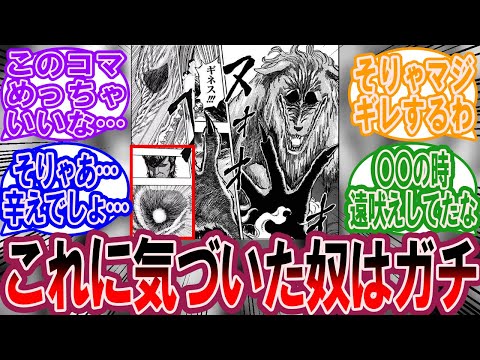
▶ Watch the original YouTube video
How Fans Reacted to Wolf King Guineas’ Shocking Act in Toriko: A Deep Analysis of Narrative Structure
A pivotal moment in the anime Toriko involving the character Wolf King Guineas has sparked diverse and complex reactions from viewers. This analysis explores how the series uses unexpected character loss to deepen narrative impact and examines what this reveals about modern anime storytelling.
What Happened
In a significant turning point within Toriko, the character Wolf King Guineas causes the loss of an important character through his actions. This moment serves as a narrative catalyst that fundamentally shifts the direction of the story and the emotional landscape of the series. The scene has generated widespread discussion among fans, with reactions ranging from shock and anger to understanding and appreciation for the bold narrative choice.
Why It Matters
This moment represents a deliberate departure from conventional anime storytelling, where major characters are typically protected by plot armor. By allowing an unexpected loss to occur, Toriko demonstrates a commitment to narrative authenticity and stakes that resonate with modern audiences. The scene illustrates how contemporary anime increasingly humanizes antagonists rather than presenting them as simple villains, creating moral complexity that challenges viewers’ expectations and emotional responses.
The significance extends beyond the immediate shock value. This narrative choice establishes that no character’s survival is guaranteed, which heightens tension throughout the series and forces remaining characters to undergo meaningful psychological development. For viewers accustomed to predictable story structures, this moment signals that the creators are willing to take creative risks.
Background
Toriko is a battle-shonen anime that combines action with gourmet adventure elements. The series has built its reputation on detailed character animation, thoughtful voice acting, and a carefully constructed world. Wolf King Guineas is introduced not as a simple monster antagonist, but as a character with intelligence and gravitas, signaled through refined character design, sophisticated voice performance, and distinctive directorial choices during his introduction.
The series draws from a tradition of anime that use unexpected character deaths to create narrative weight. Works like Attack on Titan and Fullmetal Alchemist have employed similar strategies, though each approaches the concept differently. Toriko’s particular approach—loss caused directly by an antagonist’s deliberate action—creates a unique dynamic that invites viewers to grapple with the enemy’s motivations rather than simply condemn them.
Key Points
- Wolf King Guineas’ Role: A powerful antagonist character designed with visual and vocal sophistication, indicating his importance to the narrative
- The Loss Event: A major character is lost due to Guineas’ direct actions, creating a pivotal moment that reshapes the story’s trajectory
- Diverse Fan Reactions: Viewers expressed complex emotions including shock, grief, anger, and intellectual understanding of the antagonist’s logic
- Narrative Impact: The scene serves as a turning point that shifts the protagonists’ goals from simple enemy defeat to recovering what was lost
- Antagonist Complexity: Guineas’ actions are portrayed as logical and motivated, rather than arbitrary villainy, forcing viewers to see him as a character with understandable reasoning
- Structural Significance: The moment demonstrates the series’ willingness to subvert viewer expectations and maintain narrative stakes
Narrative Structure Comparison
| Series | Form of Loss | Narrative Effect | Viewer Response |
|---|---|---|---|
| Attack on Titan | Sudden death | Strengthens protagonist’s desire for revenge | Shock and anger |
| Fullmetal Alchemist | Self-sacrifice | Creates sense of duty in remaining characters | Emotional resonance and sadness |
| Toriko | Antagonist-caused loss | Establishes new objective to recover what was lost | Shock combined with understanding |
Perspectives
Supportive Interpretation: Many viewers praised the scene as evidence that Toriko’s creators are committed to authentic storytelling. Comments on social media platforms emphasized that the moment demonstrated the production team’s willingness to take creative risks and maintain narrative stakes. This perspective values the subversion of audience expectations as a sign of artistic integrity.
Critical Interpretation: Some viewers questioned whether unexpected character loss serves the story or merely shocks for shock’s value. Critics argued that such moments can confuse audiences rather than deepen engagement, and questioned whether the narrative payoff would justify the emotional disruption.
Analytical Perspective: Observers noted that the scene’s effectiveness stems from Guineas being portrayed with logical motivation rather than arbitrary malice. This humanization of the antagonist creates psychological complexity—viewers cannot simply hate the enemy, but must instead contemplate why he acted as he did. This approach aligns with a broader industry trend toward morally complex antagonists that reflect audience maturity and preference for nuanced storytelling.
The Psychology of Viewer Response
The diverse reactions to this scene reflect three overlapping psychological mechanisms. First, viewers experience genuine grief at the loss of a character they have invested in emotionally. Second, the portrayal of Guineas as a logical, motivated character prevents simple condemnation and instead generates intellectual engagement with his perspective. Third, the willingness of creators to defy audience expectations builds trust—viewers recognize that the production team is treating the narrative seriously rather than following formulaic patterns.
This combination of emotional loss, intellectual complexity, and creative authenticity generates the multifaceted reactions documented across social media platforms, discussion forums, and video comments.
Industry Context
Over the past five years, anime production has increasingly embraced the humanization of antagonists. Where earlier anime often presented enemies as simple obstacles to overcome, contemporary series invest in portraying antagonists with complex motivations and emotional depth. This shift reflects audience evolution—modern viewers seek narratives with moral ambiguity and character complexity rather than straightforward good-versus-evil structures.
Toriko’s approach to this scene positions it as a notable example of this broader industry trend. By combining unexpected character loss with an antagonist whose actions are logically motivated, the series demonstrates sophisticated narrative construction that appeals to viewers seeking depth and authenticity.
Insights
This moment in Toriko reveals several important truths about contemporary anime storytelling. First, audiences have matured beyond simple narrative formulas and now expect complex moral landscapes where antagonists possess understandable motivations. Second, the willingness to allow unexpected character loss creates genuine narrative stakes that distinguish serious storytelling from formulaic entertainment. Third, the combination of emotional impact and intellectual complexity generates stronger viewer engagement than either element alone.
The scene also demonstrates how effective antagonist characterization—through design, voice performance, and directorial choices—can transform a simple enemy into a character whose actions provoke contemplation rather than simple condemnation. This approach elevates the entire narrative by forcing viewers to grapple with moral ambiguity.
For those experiencing Toriko for the first time, the recommendation is to approach antagonists with attention to their motivations and backgrounds, to track how character psychology evolves following significant events, and to revisit earlier episodes after major plot developments to discover new layers of meaning. Comparing Toriko to thematically similar series like Attack on Titan, Fullmetal Alchemist, and Hunter x Hunter provides additional context for understanding the series’ distinctive narrative approach.
Ultimately, this scene’s significance lies not merely in shock value but in what it reveals about the creators’ commitment to authentic storytelling and the audience’s evolving expectations for narrative complexity and moral depth in anime.