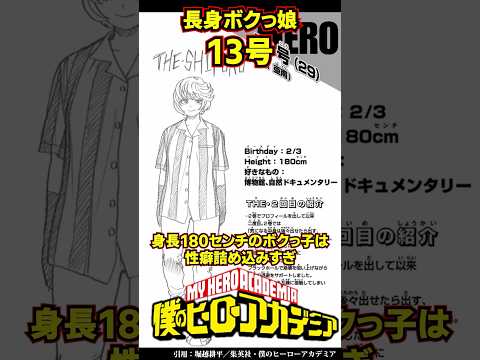
▶ Watch the original YouTube video
My Hero Academia Character 13 Receives Unexpected Surge in Fan Recognition and Critical Reappraisal
After nearly a decade of serialization, My Hero Academia’s character 13 has experienced a dramatic shift in fan perception, transforming from a peripheral support role into a focal point of community discussion. This unexpected reevaluation reflects broader changes in how audiences value narrative roles, societal themes, and character development within long-running manga and anime properties.
What Happened
Character 13 from My Hero Academia has become the subject of intense fan discourse across social media platforms including Twitter, Reddit, and YouTube. What was once perceived as a minor supporting character has garnered significant attention, with fans expressing surprise at the depth and importance of the character’s role within the narrative. This shift has generated widespread discussion about the character’s background, motivations, and significance to the overall story arc.
Why It Matters
This phenomenon reflects several important trends in manga and anime fandom. First, it demonstrates how long-running serialized works can reveal layered storytelling and foreshadowing that becomes apparent only with time and retrospective analysis. Second, it illustrates a broader cultural shift in how audiences value support roles and infrastructure-focused characters—themes that have gained prominence since 2020. Finally, it shows how fan communities evolve and diversify, developing more nuanced appreciation for complex character archetypes beyond traditional protagonist-centric narratives.
Background
My Hero Academia began serialization in 2014 and has maintained a dedicated fanbase for nearly a decade. Character 13 was initially introduced as a support character within the hero society framework. Early in the series, the character appeared primarily in supporting capacities, particularly in scenes related to the USJ incident. However, subsequent story developments have revealed deeper layers to the character’s design, background, and thematic significance. The character’s role has evolved from what appeared to be a simple functional position to a more complex and symbolically important presence within the narrative.
Key Points
- Dramatic Shift in Character Perception: Character 13 has transitioned from being viewed as a peripheral support role to being recognized as a significant character worthy of detailed analysis and discussion.
- Foreshadowing and Narrative Design: Evidence suggests the character was meticulously planned from the series’ inception rather than receiving retroactive character development, indicating deliberate long-form storytelling.
- Evolving Definition of “Individuality”: The series’ core theme of “individuality” has expanded beyond combat abilities to encompass support capabilities, strategic thinking, and infrastructure roles.
- Social Context and Timing: The character’s reevaluation coincides with broader cultural recognition of essential workers and the value of behind-the-scenes labor, particularly post-2020.
- Community Diversification: The fanbase has matured and expanded, attracting audiences with varied interests including psychological depth, social themes, and systemic analysis rather than purely action-oriented narratives.
- Industry Trend Alignment: The phenomenon reflects a wider manga and anime industry trend toward valuing supporting characters and exploring themes of social infrastructure.
Timeline
- 2014: My Hero Academia begins serialization; Character 13 introduced as support role.
- 2014-2015: Early perception of character 13 as functional support character without distinctive qualities.
- 2015-2020: Gradual character development and background revelation through narrative progression.
- 2020 onwards: Increased cultural awareness of essential workers and infrastructure value; character reevaluation accelerates.
- Recent period: Significant surge in fan discussion, analysis, and recognition of character 13’s narrative importance.
Perspectives
Fan Recognition Perspective: Many longtime fans express surprise and appreciation for the character’s depth, with comments like “I finally understand how important this character is” and “The foreshadowing was there all along.” This group values the retrospective discovery of carefully planted narrative elements.
Early Adopter Perspective: Some fans who recognized the character’s significance from earlier in the series express a different viewpoint, noting that the character’s importance was evident from initial appearances. This creates an interesting generational divide within the fanbase.
Thematic Analysis Perspective: Scholars and serious fans connect the character’s reevaluation to broader themes about the value of support systems, invisible labor, and social infrastructure—themes that have gained cultural prominence in recent years.
Industry Observation Perspective: The phenomenon is viewed as part of a larger industry trend where manga and anime increasingly explore the value of supporting characters and systemic themes rather than focusing exclusively on protagonist-driven narratives.
Comparative Analysis with Other Series
Similar character reevaluations have occurred in other major manga and anime properties. In Attack on Titan, character Hange evolved from a peripheral scientist to a central leadership figure. In Demon Slayer, Genya Shinazugawa transitioned from apparent background character to a role with significant narrative weight through family relationship exploration. In Jujutsu Kaisen, Maki Zenin’s character arc involved a dramatic shift from supporting role to central protagonist of her own narrative arc. These patterns suggest that long-running serialized works frequently employ delayed character revelation strategies that reward careful readers and retrospective analysis.
Insights
The surge in recognition for Character 13 represents a maturation of both the My Hero Academia narrative and its fanbase. The character embodies a thematic evolution within the series itself—from a story focused on individual heroic achievement to one exploring the systemic foundations of heroic society. This shift mirrors real-world cultural changes regarding the recognition of essential workers and infrastructure roles.
The phenomenon also demonstrates the enduring power of carefully constructed long-form storytelling. By establishing character elements early without overexplaining their significance, creator Kohei Horikoshi created space for audiences to discover meaning over time. This approach rewards patient, attentive readers and creates opportunities for community discussion and analysis that extend far beyond initial publication.
Furthermore, the character’s reevaluation suggests that future My Hero Academia developments may increasingly focus on themes of social reconstruction and the rebuilding of hero society’s support systems. Character 13’s expanded role may signal narrative priorities in upcoming story arcs, particularly as the series addresses systemic issues within the hero profession itself.
The diversification of fan perspectives also indicates a healthy, mature community capable of holding multiple interpretations simultaneously. Rather than a single dominant reading, the fanbase now encompasses various analytical frameworks—psychological, social, thematic, and structural—all of which contribute to richer overall understanding of the work.
What Comes Next
Based on narrative patterns and thematic development, Character 13 appears positioned for increased narrative prominence in future story arcs. The character’s role in reconstructing hero society’s support infrastructure may become central to resolving the series’ larger thematic questions about systemic reform and the true nature of heroism. As the fanbase continues to evolve, we can expect increasingly sophisticated analysis of how support roles and infrastructure themes function within the broader My Hero Academia narrative.