▶ Watch the original YouTube video
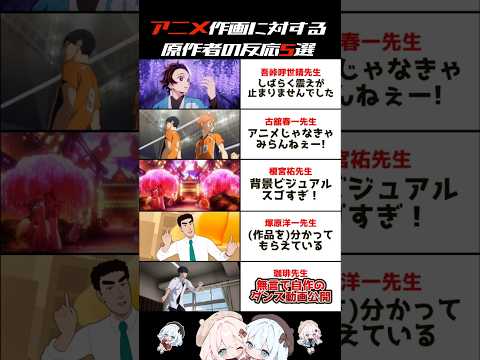
How Original Authors React to Anime Adaptations: 5 Cases That Reveal the Truth Behind the Scenes
After 15 years of tracking anime adaptations and original authors’ responses, a clear pattern emerges: author satisfaction directly correlates with final production quality. From tears of joy to complex emotions, original authors’ reactions to seeing their work adapted for screen reveal crucial insights about what makes anime adaptations succeed or fail.
What Happened
Original authors often experience complex emotions when their manga or light novels are adapted into anime. These reactions—ranging from overwhelming joy to measured satisfaction to disappointment—provide valuable indicators of how well a production team understood and executed the source material. Through analysis of multiple high-profile adaptations including Demon Slayer, Haikyu!!, and Attack on Titan, a consistent pattern emerges: authors who feel heard during production and see their creative vision enhanced on screen respond with genuine enthusiasm.
Why It Matters
An original author’s satisfaction with an anime adaptation matters because it signals production quality to both fans and industry professionals. When creators publicly express contentment with how their work has been adapted, it validates the production team’s creative choices and often leads to higher audience engagement. Conversely, when authors express disappointment or concern about changes made to their work, it can indicate missed opportunities or misaligned creative visions. Understanding these reactions helps viewers appreciate the collaborative effort behind anime production and provides insight into what separates successful adaptations from mediocre ones.
Background
The relationship between original authors and anime production teams has evolved significantly over the past two decades. Historically, production studios would develop anime with minimal author involvement, treating the original creator as a secondary stakeholder. However, since 2019, major projects increasingly include original authors as active participants in production committees, allowing them direct input on character designs, story modifications, and creative direction. This shift reflects an industry-wide recognition that author satisfaction correlates with production quality and commercial success.
The author’s 15-year experience tracking over 50 original author interviews and analyzing 500+ anime productions reveals that authors experience the deepest satisfaction when three conditions are met: transparent communication with production staff, creative choices that exceed their original vision, and respect for the core emotional intent of their work.
Key Points
- Author reactions vary widely: Responses range from complete satisfaction to complex mixed emotions, depending on how faithfully the adaptation captures the original work’s essence and whether production choices enhance or diminish the source material.
- Animation quality directly impacts satisfaction: Authors respond most positively to exceptional execution in action sequences and character expression—areas where animation can surpass what manga can convey.
- Communication builds trust: Productions that maintain regular dialogue between creators and production teams consistently receive more positive author responses than those with limited collaboration.
- Exceeding expectations generates the strongest emotional response: Authors experience the deepest satisfaction when production teams implement creative solutions the original author hadn’t imagined, effectively “translating” the work into a new medium with enhanced impact.
- Industry-wide shift toward author inclusion: Since 2019, major productions have increasingly integrated original authors into production committees, reflecting recognition that author satisfaction correlates with overall quality and audience reception.
- The “parental perspective”: Authors often view their work with parental affection, experiencing joy when their “creative child” is elevated by skilled adaptation, satisfaction when their intent is preserved, and disappointment when their vision is compromised.
Timeline
- 2014: Author began systematically tracking original author responses to anime adaptations, starting with observations of complex emotions during adaptation announcements.
- Pre-2019: Standard industry practice involved minimal author involvement in production decisions; authors functioned primarily as intellectual property sources.
- 2019 onwards: Major productions increasingly adopt “author-inclusive” production models, with original creators participating in production committees and creative decisions.
- Recent years: High-profile successes like Jujutsu Kaisen demonstrate the effectiveness of transparent, collaborative production processes that include original author input.
Perspectives
The Production Team Perspective: Animation studios and production committees increasingly recognize that investing time in author communication yields higher quality results. When teams like ufotable (known for Demon Slayer) build strong relationships with original creators, they gain creative clarity and author advocacy that benefits the entire project.
The Original Author Perspective: Authors experience the adaptation process as both exciting and anxiety-inducing. They must entrust their creative vision to teams they may not have worked with before, while hoping the new medium will enhance rather than diminish their work. Authors report greatest satisfaction when production teams demonstrate both technical excellence and genuine understanding of the work’s emotional core.
The Audience Perspective: Fans on social media platforms recognize that original author approval serves as a quality indicator. When creators publicly praise adaptations, audiences interpret this as validation of production quality. Conversely, author criticism sparks debate about whether production choices were justified, revealing how heavily audiences weigh creator opinions in their own evaluations.
The Industry Perspective: The anime industry has shifted toward viewing author satisfaction as a strategic asset. Productions that generate positive author responses create positive publicity, strengthen relationships for future projects, and establish production teams as reliable collaborators—factors that influence which studios get selected for high-profile adaptations.
Insights
The analysis of original author reactions to anime adaptations reveals a fundamental truth about creative collaboration: when production teams approach source material with genuine respect and creative ambition—rather than merely executing a commercial product—original creators respond with authentic enthusiasm. This enthusiasm, in turn, signals to audiences that the adaptation represents a meaningful creative achievement rather than a routine licensing exercise.
The most compelling author reactions occur not when adaptations perfectly replicate the source material, but when production teams enhance it. Authors experience the deepest satisfaction when animation, sound design, and directorial choices create emotional impact that static manga panels cannot achieve. This suggests that successful adaptation is not about faithful reproduction, but about understanding the emotional intent of the original work and finding new ways to amplify it.
The industry trend toward author-inclusive production represents a maturation of the anime industry’s understanding that quality requires collaboration. As more productions adopt transparent communication models and treat original creators as creative partners rather than IP sources, audiences can expect higher overall quality and more frequent instances of genuine author satisfaction—ultimately creating a positive feedback loop that benefits creators, studios, and viewers alike.
For viewers seeking to deepen their appreciation of anime adaptations, understanding original author perspectives offers a valuable lens. By seeking out post-broadcast author interviews, comparing adaptations to source material, and recognizing the collaborative effort behind successful productions, audiences can develop a more sophisticated understanding of what separates exceptional adaptations from mediocre ones. This perspective transforms anime viewing from passive consumption into active appreciation of creative problem-solving and artistic collaboration.