▶ Watch the original YouTube video
How BanG Dream’s Quiz Show Breaks Anime Conventions with Absurd Answers
BanG Dream’s unconventional quiz show format deliberately embraces nonsensical answers and breaks traditional anime storytelling to create a new form of entertainment. The series has sparked divided reactions from viewers, with some praising its chaotic humor while others question whether it undermines character consistency.
What Happened
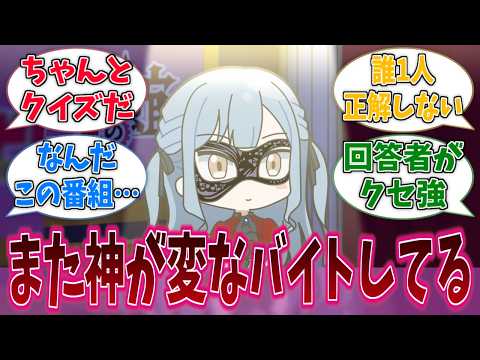
BanG Dream released a quiz show format where characters from the band Oblivion (led by vocalist Seishou Kamatte-chan) serve as both quiz master and contestants. Rather than providing correct answers, the characters consistently deliver absurd, nonsensical responses that prevent any contestant from winning. The format deliberately abandons traditional quiz show conventions—correct answers are never revealed, and the chaos continues throughout the episode.
Why It Matters
This quiz show represents a significant shift in how anime productions approach spin-off content and character presentation. Instead of showcasing character strengths or maintaining narrative consistency, BanG Dream intentionally subverts viewer expectations by embracing failure as entertainment. This approach reflects broader changes in anime fandom preferences, where audiences increasingly appreciate imperfection and unconventional humor over polished, traditional formats. The format raises important questions about character authenticity, creative risk-taking, and what modern anime fans actually want from supplementary content.
Background
BanG Dream is a multimedia franchise centered around a rock band. Like many anime properties, it has expanded into various spin-off projects and variety show appearances. Historically, similar franchises such as K-On! and Love Live! have used variety formats to highlight character strengths and maintain narrative consistency. BanG Dream’s quiz show takes a fundamentally different approach, deliberately prioritizing absurdist humor over character development or educational value. This represents a departure from established anime variety show conventions that have dominated since the 2010s.
Key Points
- Intentional Format Failure: The quiz show succeeds by failing—correct answers are rarely given, and contestants consistently provide illogical responses that reflect character quirks rather than knowledge.
- Character Consistency Within Chaos: Despite the absurd answers, each character’s responses align with their established personality traits and knowledge levels from the main series.
- Strategic Ambiguity: By omitting answer reveals, the production maintains viewer goodwill toward characters while preserving the comedic chaos of unanswered questions.
- Divided Audience Reception: Viewers are split between those who appreciate the chaotic humor and those who feel the format undermines character credibility and narrative integrity.
- Casting as Creative Choice: Positioning a main vocalist as quiz master rather than contestant is a deliberate subversion of expected roles, signaling that “normal rules don’t apply.”
- Reflection of Modern Anime Trends: The format aligns with late 2010s-2020s anime preferences for embracing imperfection and unconventional humor over traditional polish.
Viewer Reception and Reactions
The quiz show has generated diverse responses across the community. Positive reactions include comments like “the world is broken in a peaceful way” and praise for the decision not to reveal correct answers, which preserves character likability. Negative responses focus on concerns that the absurd answers make characters appear unintelligent or that the format conflicts with established character traits. Notably, some viewers found humor specifically in moments when “actual quiz questions” appeared amid the chaos, highlighting the appeal of expectation subversion. Comments about the quiz master’s “professional awareness” suggest viewers appreciate the tension between the character’s attempt to maintain the show’s structure and the inevitable collapse into absurdity.
Production Analysis
The quiz show’s success relies on several deliberate creative choices. First, the format inverts traditional quiz show goals—rather than maximizing correct answers, it maximizes entertainment through failure. Second, character responses are not random but grounded in each character’s established personality and knowledge level, creating a logical foundation for illogical answers. Third, the omission of answer reveals serves a protective function, allowing viewers to maintain positive character perceptions while enjoying the comedic chaos. This contrasts sharply with similar franchises like Love Live!, which typically use variety formats to highlight character strengths rather than expose their limitations.
Broader Implications for Anime Entertainment
BanG Dream’s quiz show exemplifies a significant trend in contemporary anime: the embrace of imperfection as a creative strategy. Over the past five years, anime audiences have increasingly gravitated toward works that acknowledge their own flaws or deliberately subvert conventions, from experimental comedies to unconventional narrative structures. This shift reflects changing audience preferences away from “perfect” productions toward content that feels authentic, unpredictable, and willing to take creative risks.
The format also demonstrates what distinguishes anime characters from real-world entertainers. When fictional characters provide absurd answers, audiences interpret this as character quirk and creative intent rather than incompetence. This unique property of animated media—the ability to present illogical behavior as charming rather than problematic—opens creative possibilities unavailable to live-action entertainment.
Evaluation Framework
Assessing the quiz show across five key criteria reveals its strengths and limitations:
- Character Consistency (8/10): Absurd answers are frequent but grounded in established character traits.
- Viewer Value (9/10): Audience engagement and positive reception demonstrate clear entertainment value.
- Creative Innovation (8/10): The reversal of traditional quiz show goals represents genuine creative risk-taking.
- Replicability (7/10): Multiple episodes exist, but the core structure risks becoming predictable without evolution.
- Contemporary Relevance (9/10): The format aligns closely with current anime audience preferences for unconventional humor and imperfection.
Future Directions
For the quiz show format to maintain long-term viability, production teams should consider evolving the core concept. Potential developments include increasing question difficulty to amplify absurdity, introducing inter-character quiz competitions, or incorporating viewer-submitted questions. The fundamental challenge will be maintaining freshness while preserving the format’s core appeal—the tension between structure and chaos.
Conclusion
BanG Dream’s quiz show represents a meaningful evolution in anime variety content, demonstrating that entertainment value need not depend on traditional success metrics. By deliberately embracing failure, the format creates space for character expression and audience engagement that conventional quiz shows cannot achieve. As anime production continues to evolve, this willingness to deconstruct established formats and find humor in imperfection will likely become increasingly influential. The quiz show ultimately proves that what makes anime unique—the ability to present fictional characters in unconventional scenarios—remains one of the medium’s most valuable creative assets.