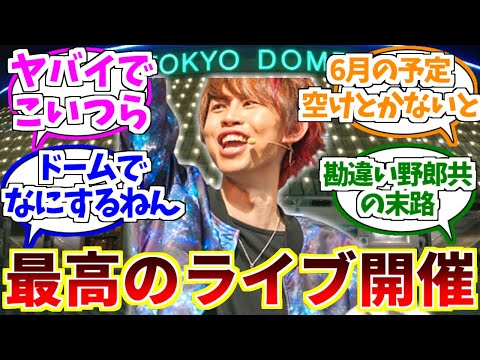
▶ Watch the original YouTube video
TOP4 Tokyo Dome Event Announcement Sparks Excitement on 5Channel: Game Streaming Culture Reaches New Heights
Japanese gaming streamers Kiyo, Retort, Ushisawa, and Gatchman have announced a historic event at Tokyo Dome, marking a significant milestone for streaming culture in Japan. The announcement has generated overwhelmingly positive reactions on 5Channel, with fans expressing both excitement and practical concerns about tickets and logistics.
What Happened
TOP4—a collective of four prominent Japanese gaming streamers consisting of Kiyo, Retort, Ushisawa, and Gatchman—has announced plans to hold a major event at Tokyo Dome, one of Japan’s most iconic entertainment venues. The announcement represents a watershed moment for streaming culture, as it marks the first time a group of gaming content creators has secured such a large-scale venue for a dedicated event. The news has circulated widely across Japanese internet forums, particularly on 5Channel, where community reactions have been predominantly enthusiastic.
Why It Matters
This event symbolizes the maturation of gaming streaming as a legitimate form of entertainment in Japan. Tokyo Dome has historically hosted major sporting events, concerts, and professional wrestling matches—all considered mainstream entertainment. By securing this venue, TOP4 demonstrates that streaming culture has achieved parity with traditional entertainment industries. The event also signals a broader shift in how content creators monetize their influence, moving beyond digital platforms into physical, large-scale experiences. For the streaming industry, this represents a potential turning point that could inspire similar ventures from other prominent creators.
Background
The four streamers involved have built their audiences over many years through distinct personalities and content styles. Kiyo is known for his comedic timing and character-driven gameplay commentary. Retort emphasizes strategic gameplay and deep game analysis. Ushisawa is recognized for his approachable demeanor and viewer interaction. Gatchman stands out for his versatility across multiple content formats. While these creators have occasionally collaborated, a unified event of this scale represents unprecedented coordination among them.
The announcement comes at a time when streaming platforms like YouTube and Twitch have become dominant forces in entertainment consumption, particularly among younger audiences. Over the past five years, gaming streamers have increasingly expanded beyond digital content into merchandise, sponsorships, and offline events. The Tokyo Dome event represents the culmination of this trend.
Key Points
- Historic Venue Selection: Tokyo Dome’s use for a gaming streamer event marks a significant cultural milestone, elevating streaming to the same status as traditional entertainment industries.
- Overwhelmingly Positive Reception: 5Channel discussions show predominantly supportive reactions, with users expressing excitement about the event and the rarity of seeing all four creators together.
- Practical Concerns Emerge: Alongside enthusiasm, community members raised realistic questions about ticket pricing, availability, and venue logistics.
- Synergy of Distinct Personalities: The appeal of the event lies in combining four streamers with different strengths—comedy, strategy, accessibility, and versatility—creating a unique entertainment experience.
- Industry-Wide Implications: Community members recognize this event as potentially catalyzing similar ventures from other prominent streamers, reshaping the industry landscape.
- Authenticity Concerns: Some discussion focused on whether the streamers’ core appeal—their intimacy and spontaneity—can be preserved in a large-venue setting.
Timeline
- 2012 onwards: Niconico Chokaigi establishes the template for large-scale content creator events in Japan.
- 2015–2018: Gaming streamers gradually begin hosting events in mid-sized venues as their audiences grow.
- 2018–2020: Streaming platforms like YouTube and Twitch become dominant; streamers focus primarily on digital content.
- 2021 onwards: Streamers diversify into merchandise, sponsorships, and offline events.
- 2024: TOP4 announces Tokyo Dome event, representing the culmination of streaming culture’s evolution into mainstream entertainment.
Perspectives
Fan Perspective: Community members on 5Channel express a mix of emotions. Many describe the event as “a dream come true,” reflecting years of following these creators. Simultaneously, practical concerns dominate—questions about ticket prices, seating availability, and whether the event will actually deliver on its promise. This duality suggests fans hold high expectations tempered by realistic concerns about execution.
Industry Perspective: The event is widely recognized as a turning point for streaming culture. Some observers note that if successful, it will likely inspire similar large-venue events from other prominent streamers, fundamentally changing how creators monetize their influence. The event demonstrates that streaming audiences have reached sufficient scale and purchasing power to fill major venues.
Creator Perspective: The four streamers have built their success on distinct personalities and audience connections. The event represents both an opportunity to reach new audiences and a risk that their core appeal—intimacy and spontaneity—might be diluted in a large-venue setting. The challenge lies in preserving what makes each creator unique while delivering an experience worthy of Tokyo Dome’s prestige.
Insights
The TOP4 Tokyo Dome event announcement marks a critical juncture in the evolution of digital entertainment in Japan. Over the past 15 years, streaming platforms have progressively displaced traditional media as primary sources of entertainment, particularly for younger audiences. This event represents the moment when streaming culture transitions from a digital phenomenon to a mainstream entertainment industry with the infrastructure and cultural legitimacy to match traditional entertainment venues.
The overwhelmingly positive reception on 5Channel, combined with practical concerns about logistics, reveals a mature fan community. These are not casual observers but committed supporters willing to invest time and money in attending events. The fact that discussions focus on execution details rather than whether the event should happen at all indicates that streaming culture has achieved mainstream acceptance.
The event also highlights a structural shift in how content creators build sustainable careers. Rather than relying solely on platform-dependent digital revenue, creators are now establishing direct relationships with audiences through physical experiences. This diversification reduces dependence on any single platform and creates multiple revenue streams—a model that mirrors how traditional entertainment industries operate.
However, the success of this event will ultimately depend on whether the four streamers can maintain their individual appeal while delivering a cohesive, large-scale experience. The challenge is not merely logistical but creative: translating the spontaneity and intimacy that define streaming into a structured event format. If TOP4 succeeds, it will establish a template for future streaming events. If it falls short, it may reveal the limits of scaling streaming culture into traditional entertainment venues.
The broader implication is that streaming culture has matured from a niche digital phenomenon into a legitimate entertainment industry with the scale, audience commitment, and economic viability to compete with traditional media. The Tokyo Dome event is not simply a concert or convention—it is a cultural marker indicating that digital content creators have achieved parity with established entertainment industries in Japan.