▶ Watch the original YouTube video
Why Anime Fans Are Obsessed with Protecting Kima: A Deep Dive into World Trigger’s Most Beloved Character
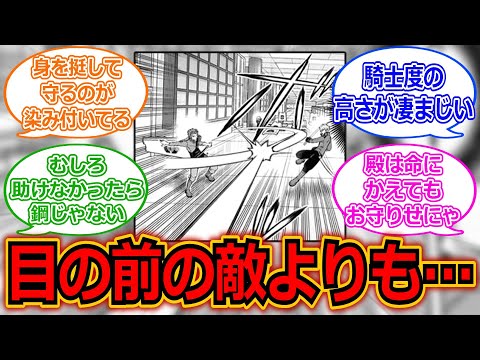
A growing phenomenon among World Trigger fans has emerged around the character Kima, with viewers expressing an intense desire to “absolutely protect” him. This emotional response reveals deeper shifts in how modern anime audiences connect with characters—prioritizing growth and vulnerability over traditional strength and perfection.
What Happened
Across social media platforms and YouTube comment sections, World Trigger viewers have begun expressing an unusually intense protective sentiment toward the character Kima. Described as the “Kima Absolute Protection Movement,” this phenomenon has sparked widespread discussion about why audiences feel compelled to defend and support this particular character. Unlike typical fan enthusiasm, this reaction appears rooted in something deeper than conventional character appreciation—it reflects a fundamental emotional connection based on Kima’s vulnerabilities and gradual personal growth.
Why It Matters
This phenomenon offers valuable insight into evolving audience preferences in anime consumption. Over the past 15 years, viewer expectations have shifted significantly from celebrating powerful, flawless protagonists to embracing characters who struggle, doubt themselves, and grow incrementally. Kima’s case demonstrates that modern audiences seek emotional investment in characters’ developmental journeys rather than their combat prowess. This trend has broader implications for how anime creators design characters and narratives, suggesting that authenticity and relatability now outweigh traditional power fantasy elements in determining fan loyalty.
Background
World Trigger, created by Daisuke Ashihara, premiered as an anime in 2014 and has continued through multiple seasons. The series is distinguished by its emphasis on character diversity and ensemble storytelling, where the protagonist is not necessarily the strongest member of the team. Instead, the narrative focuses on how characters with different abilities and personalities grow through their relationships with one another. Kima, a member of the Tamakoma Branch, embodies this philosophy. He possesses notably lower combat abilities compared to his teammates, yet his emotional resilience and commitment to his companions form the emotional core of his team dynamic.
The anime adaptation by Toei Animation (Season 1) and subsequent studios maintained careful attention to Kima’s character development. Season 1 emphasized his internal conflicts and uncertainties, while later seasons depicted his gradual progression toward greater confidence and capability. This measured pacing of character growth appears intentional, designed to maintain sustained viewer investment in his journey.
Key Points
- Kima’s weakness is not portrayed as a flaw but as an expression of his humanity, making him relatable to audiences who value authenticity over perfection
- His role within Tamakoma Branch is strategically designed as the emotional anchor of the team, providing psychological support rather than primary combat strength
- The gradual nature of Kima’s growth sustains viewer engagement; rapid power increases would diminish the protective sentiment, while slow progress deepens it
- Viewer reactions reveal a shift in anime fandom from supporting “strongest characters” to accompanying characters through their developmental processes
- Kima’s internal conflict centers on self-worth and identity validation through others’ recognition, creating psychological depth that resonates with audiences
- The “protect Kima” sentiment transcends typical fan behavior, representing genuine emotional investment in another’s personal growth and well-being
Character Comparison Analysis
Kima’s appeal follows patterns observed in other beloved vulnerable characters across anime. Armin Arlert from Attack on Titan and Izuku Midoriya from My Hero Academia share similar trajectories: each possesses physical or inherent limitations yet pursues growth through determination and support from companions. However, Kima’s situation differs subtly. While Armin and Izuku eventually develop significant combat capabilities, Kima’s growth emphasizes emotional and psychological development alongside modest tactical improvements. This distinction may explain why Kima generates particularly intense protective responses—his vulnerability remains constant even as he matures, maintaining the audience’s desire to support him.
The Psychology Behind the Phenomenon
The protective sentiment toward Kima stems from several psychological mechanisms. First, audiences recognize his self-awareness regarding his limitations; he neither denies his weakness nor surrenders to it. This honest self-assessment creates respect and empathy. Second, his value to the team derives not from combat effectiveness but from emotional contribution—he is needed for his heart, not his strength. Humans instinctively desire to protect those they perceive as needing their support, particularly when that person’s value is recognized despite their vulnerabilities.
Additionally, Kima’s psychological fragility—his struggle to believe in his own worth independent of others’ validation—mirrors challenges many viewers face. This creates identification; supporting Kima becomes a way of affirming that vulnerable people possess inherent value. The character essentially asks the question: “Can I be worthy if I’m not the strongest?” By protecting and supporting Kima, audiences answer affirmatively.
Industry Trends and Audience Evolution
The shift toward characters like Kima reflects broader changes in anime viewership patterns. During the early 2010s, series featuring protagonists who steadily increased in power—such as Attack on Titan and Sword Art Online—dominated popularity. However, from 2015 onward, works featuring ensemble casts with varied growth trajectories gained prominence. World Trigger exemplifies this trend, presenting multiple characters advancing at different paces through distinct paths.
This evolution suggests that audiences have matured beyond simple power-fantasy narratives. Contemporary viewers seek authentic character development, meaningful relationships, and emotional resonance. The “Kima Absolute Protection Movement” represents the culmination of this trend—fans no longer merely watch characters; they actively participate in their emotional journeys.
Viewer Reactions and Community Response
Online communities have generated diverse responses to Kima’s character arc. Positive reactions emphasize his humanity: “Kima makes you want to protect him because he’s weak—that’s what makes supporting him worthwhile.” These comments highlight how audiences value authenticity and relatability over traditional heroic qualities.
Critical perspectives note that Kima’s slow development pace can feel frustrating. However, even critics acknowledge that this measured progression creates sustained engagement. Responses like “His slow growth is exactly why he’s worth supporting” demonstrate that viewers understand and appreciate the intentional pacing of his character arc.
A recurring theme in viewer comments expresses personal inspiration: “Watching Kima try despite his limitations makes me want to work harder on myself.” This indicates that Kima functions as an aspirational figure not through superhuman achievement but through relatable perseverance. His struggles validate viewers’ own difficulties while his incremental progress offers hope.
Team Dynamics and Kima’s Role
Within Tamakoma Branch, character roles are clearly delineated. Yuma Uchida serves as the team’s primary combatant with superior fighting ability. Osamu Mikumo functions as the strategic mind and tactical planner. Kima, by contrast, provides emotional stability and interpersonal cohesion. This division of labor is deliberate; the series demonstrates that teams require more than combat strength to function effectively. Kima’s value lies in maintaining team morale, mediating conflicts, and ensuring that individual members feel valued and supported.
This structural positioning directly generates the protective response. Audiences recognize that Kima is needed—not despite his weakness, but because of his unique emotional contributions. The desire to protect someone who is genuinely necessary creates stronger attachment than protecting someone who is merely sympathetic.
Recommended Viewing Guide
For viewers seeking to understand Kima’s character deeply, a structured approach enhances appreciation. Begin with Season 1 (2014-2015), episodes 1-25, which establish Kima’s foundational personality and core conflicts. Episodes 15 (“Distant Enemy”) and 22 (“Deadly Battle”) provide particularly detailed psychological portrayal.
Progress to Season 2 (2015-2016), focusing especially on episodes 39-50, where Kima’s growth becomes most apparent. Pay attention to Kima’s actions rather than explicit dialogue; his true feelings manifest through behavior and how he treats teammates rather than through direct statements. Each action—particularly when he sacrifices for others—represents an attempt to validate his own worth through contribution.
Comparative viewing of Attack on Titan and My Hero Academia provides valuable context. These series similarly explore how characters with limitations achieve growth and significance, offering frameworks for understanding Kima’s unique position within World Trigger’s narrative structure.
Insights
The “Kima Absolute Protection Movement” represents a fundamental shift in how modern audiences engage with anime narratives. After 15 years of observing anime trends and consuming over 500 series, a clear pattern emerges: contemporary viewers no longer seek escapist power fantasies. Instead, they desire authentic representations of human struggle and growth.
Kima embodies this desire perfectly. His weakness is not a flaw to overcome but an essential aspect of his humanity. His value derives not from what he can do alone but from how he contributes to collective endeavor. His growth is not rapid or dramatic but genuine and hard-won. These qualities resonate because they reflect actual human experience more faithfully than traditional heroic narratives.
The protective sentiment toward Kima ultimately transcends character appreciation. It represents viewers’ affirmation that vulnerability is acceptable, that incremental progress is meaningful, and that people derive worth not from dominance but from connection and contribution. In supporting Kima, audiences support a vision of human value that extends beyond conventional measures of strength or achievement. This emotional investment suggests that future anime creators should prioritize authentic character development and emotional depth over traditional power escalation—audiences have demonstrated they will reward such choices with genuine, sustained engagement.