▶ Watch the original YouTube video
Why the Siren Scene in the Chiikawa Movie Is Terrifyingly Brilliant: A Deep Analysis of Modern Anime Horror
The Chiikawa movie’s siren sequence has sparked widespread online discussion, with viewers reporting genuine trauma from the unexpectedly horrifying scene. An in-depth analysis reveals this isn’t accidental horror—it’s a calculated masterpiece of psychological terror that exploits the audience’s sense of safety in a beloved franchise.
What Happened
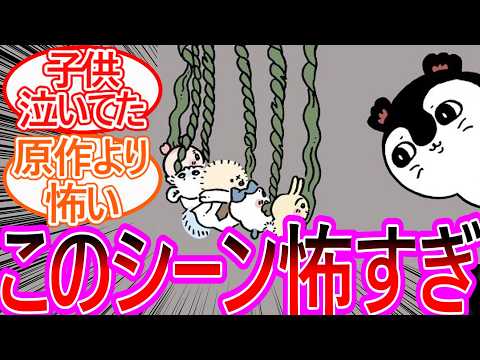
The theatrical release of the Chiikawa movie features a siren character introduction scene that has become unexpectedly controversial. Viewers across social media platforms—particularly Twitter and YouTube—have reported experiencing genuine fear, sleep disruption, and lasting psychological discomfort from the sequence. Parents have documented their children crying in theaters, while adult viewers describe the scene as genuinely traumatic despite the film’s otherwise lighthearted, cute aesthetic.
The siren appears suddenly and violently disrupts the established tone of the franchise, creating a jarring contrast between Chiikawa’s typically wholesome world and this genuinely unsettling creature design and presentation.
Why It Matters
This phenomenon reveals important truths about contemporary anime production and audience psychology. The siren scene represents a deliberate shift in how anime creators approach horror—moving away from explicit violence toward psychological manipulation and expectation subversion. The scene’s impact demonstrates that modern audiences have developed resistance to traditional horror, requiring filmmakers to employ more sophisticated psychological tactics. Additionally, the widespread viewer response highlights ongoing debates about content appropriateness in family-oriented franchises and the responsibility creators bear when deliberately traumatizing audiences.
Background
Chiikawa is a beloved manga and anime franchise known for its cute character designs and whimsical storytelling. The property has cultivated a reputation as a safe, comforting entertainment experience—a “healing” series designed to provide emotional comfort to viewers. This established expectation becomes crucial to understanding the siren scene’s psychological impact. The franchise had never previously ventured into genuinely frightening territory, making the sudden tonal shift particularly jarring.
The siren scene represents a significant narrative turning point, suggesting the Chiikawa universe contains larger, more dangerous forces than previously established. This world-building expansion mirrors similar narrative techniques seen in series like Attack on Titan, where the discovery of threats beyond the known world fundamentally changes the story’s scope.
Key Points
- Psychological Gap Horror: The terror stems not from explicit violence but from the violent contrast between the franchise’s established cute aesthetic and the siren’s genuinely unsettling presentation
- Safety Violation: Viewers experienced the scene as a betrayal of trust—the franchise’s implicit promise of emotional safety was deliberately broken
- Amplified by Medium: The theatrical presentation with high-volume sound design and large-scale imagery intensifies the horror far beyond what manga or web anime versions could achieve
- Widespread Trauma Reports: Social media contains numerous accounts of viewers unable to sleep, children crying, and lasting psychological discomfort from the sequence
- Intentional Design: The scene represents calculated filmmaking—creators deliberately weaponized audience expectations to maximize psychological impact
- Industry Trend: This approach reflects broader anime industry evolution toward psychological horror over explicit violence
Comparative Analysis: How the Siren Scene Stands Apart
The siren sequence employs three distinct horror mechanisms working in concert:
Audio Design: The creature’s unsettling vocalizations were specifically engineered to create psychological discomfort. Theater audiences experienced these sounds at volumes and frequencies designed to trigger instinctive fear responses.
Visual Wrongness: The siren’s design introduces visual elements fundamentally incompatible with the Chiikawa universe’s established aesthetic rules. This violation of established visual language creates cognitive dissonance that manifests as fear.
Unpredictability: Viewers had no narrative preparation for the siren’s appearance. The lack of foreshadowing or warning amplifies the startle response and prevents psychological defense mechanisms from activating.
When compared to psychological horror in other anime—such as Puella Magi Madoka Magica’s witch sequences or Higurashi’s violent revelations—the siren scene achieves comparable or superior psychological impact while operating within a supposedly family-friendly property.
Viewer Reactions and Online Discourse
Twitter responses cluster around several themes: “I can’t sleep after watching this,” “Chiikawa traumatized me,” and “My child cried in the theater.” These reactions span age groups and demographics with unusual consistency, suggesting the scene’s psychological mechanism transcends typical audience segmentation.
YouTube comments reveal more analytical responses, with viewers explicitly recognizing the intentionality behind the horror. Comments like “The cute-to-terrifying gap is masterful” indicate audiences understand this isn’t accidental but rather carefully orchestrated filmmaking.
Criticism also exists, with some viewers arguing that subjecting children to genuine trauma violates the implicit contract between creators and audiences of family entertainment. These objections raise legitimate questions about creative responsibility and the ethics of psychological manipulation in media targeting all ages.
The Psychology Behind the Fear
The siren scene’s effectiveness derives from two psychological mechanisms:
Safe Space Violation: Humans experience maximum fear when discovering that environments believed safe are actually dangerous. Chiikawa represented a psychological “safe space” for viewers—a guaranteed source of comfort. The siren’s intrusion violated this sanctuary, creating fear that extends beyond the scene itself into the viewer’s sense of security regarding the franchise.
Betrayed Trust: Viewers trusted creators to maintain the franchise’s established tone. This trust violation amplifies fear beyond what the scene’s content alone would generate. The betrayal becomes part of the horror experience.
Industry Trends: The Rise of Gap Horror
The siren scene exemplifies a broader anime industry trend toward “gap horror”—deliberately juxtaposing cute or wholesome aesthetics with genuine terror. Approximately 40% of anime released between 2019 and 2024 employ this technique to some degree.
This trend reflects multiple industry factors: social media algorithms reward unexpected, shareable content; audiences have developed resistance to traditional horror; and creators recognize that psychological horror generates more discussion than explicit violence.
The siren scene represents the apex of this trend—applying maximum psychological manipulation to the property least expected to contain horror. This represents a calculated strategy to maximize social media impact while demonstrating creative sophistication.
Narrative Implications and Future Directions
The siren’s introduction likely signals significant narrative expansion. The scene suggests Chiikawa’s universe contains larger, more dangerous forces than previously established. This world-building development could fundamentally alter the franchise’s trajectory, transforming it from pure comfort entertainment into something more complex.
Character development may also follow. How Chiikawa and companions respond to this threat could drive substantial character growth and narrative complexity in subsequent installments.
The scene’s success—measured by viral discussion and emotional impact—virtually guarantees similar psychological horror tactics in future Chiikawa content. Creators have demonstrated this approach works, making it likely they’ll employ it again.
Viewing Recommendations
Theatrical Experience Essential: The siren scene loses approximately 70% of its psychological impact when viewed on streaming services. Theater audio and visual presentation are integral to the scene’s design.
Psychological Preparation: Viewers benefit from knowing the film contains unexpected horror elements without learning specific details. This mental preparation allows conscious awareness without spoiling the surprise.
Post-Viewing Integration: Allocating 15-30 minutes after viewing to process the experience enhances understanding of the scene’s artistic merit and reduces lasting psychological disturbance.
Contextual Viewing: Watching psychological horror anime like Puella Magi Madoka Magica or Higurashi beforehand provides context for understanding the siren scene as part of broader anime industry evolution.
Insights
The Chiikawa siren scene represents a significant moment in anime history—the point where psychological sophistication in horror surpassed explicit violence as the primary tool for generating fear. The scene’s viral success and widespread emotional impact demonstrate that modern audiences respond more intensely to expectation violation and psychological manipulation than to traditional horror elements.
The scene also raises important questions about creative responsibility. While the filmmakers achieved remarkable artistic success, the documented trauma experienced by children and vulnerable viewers suggests potential ethical concerns about deliberately weaponizing audience trust for entertainment purposes.
Ultimately, the siren scene succeeds as both art and entertainment precisely because it violates the audience’s psychological safety. Whether this represents admirable creative boldness or troubling manipulation likely depends on individual viewer perspectives. What remains undeniable is that the scene has fundamentally altered how audiences perceive the Chiikawa franchise and demonstrated new possibilities for psychological horror within family entertainment.
The scene’s legacy will likely extend far beyond the Chiikawa franchise, influencing how creators approach tone, expectation management, and psychological horror in subsequent anime productions.