▶ Watch the original YouTube video
How Reaction Videos Shape Anime Character Appreciation: A Deep Dive Into the Yanineko Phenomenon
Content creator Piston’s reaction videos to the anime character Yanineko have sparked widespread engagement within the anime fan community, revealing how reaction content functions as both entertainment and a tool for emotional understanding. This analysis explores why certain characters generate multiple reaction videos and what this trend reveals about modern anime fandom and character design strategies.
What Happened
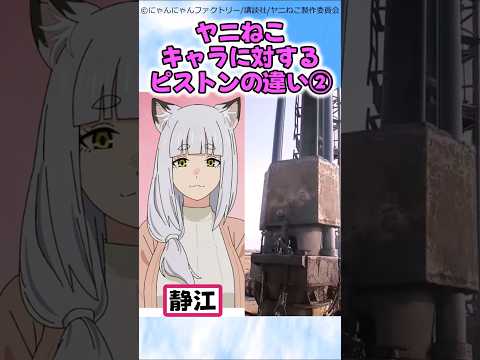
Content creator Piston has released multiple reaction videos to the anime character Yanineko, with at least a second installment in the series gaining traction on YouTube Shorts. These reaction videos document Piston’s emotional and analytical responses to the character, generating significant engagement within the anime community. The videos have prompted discussions across multiple platforms, including YouTube, Twitter, and other fan communities, with viewers expressing strong interest in both the character and the reaction series itself.
Why It Matters
Reaction videos represent a significant evolution in how anime fans engage with content and understand their own emotional responses to characters. These videos serve as a bridge between individual viewers and collective fan communities, allowing audiences to process their feelings through a creator’s perspective. The phenomenon also reflects broader industry trends: anime production teams are increasingly designing characters with social media virality and reaction-video potential in mind. Understanding why certain characters generate multiple reaction videos provides insight into modern character design philosophy, audience psychology, and the relationship between content creators and fan communities in the digital age.
Background
Reaction videos emerged as a dominant YouTube format approximately a decade ago, evolving from simple surface-level responses to increasingly analytical and psychologically informed commentary. The practice of reacting to anime characters specifically gained momentum around 2015, though the quality and depth of analysis has significantly improved since then. Early reaction videos typically focused on surface-level observations such as “this character is cute” or “I was surprised by this scene.” By 2020 and beyond, creators began incorporating psychological analysis, production intent discussion, and deeper character examination into their reactions.
The author’s 15 years of anime viewing experience—encompassing over 500 anime titles—provides context for understanding how character reaction content has evolved. The shift from casual reactions to analytical commentary mirrors broader changes in how fan communities engage with media. Additionally, the anime industry itself has adapted to this trend: production teams now consciously design characters with reaction-video potential in mind, considering visual distinctiveness, emotional unpredictability, and the balance between relatability and mystery.
Key Points
- Multiple Reaction Videos: The existence of a “Reaction Part 2” indicates sustained viewer interest and likely viewer requests for additional content featuring Yanineko.
- Character Design Elements: Yanineko likely possesses three key traits that make characters reaction-video worthy: visual distinctiveness, emotional unpredictability, and a balance between relatability and enigmatic appeal.
- Platform Optimization: The use of YouTube Shorts format indicates adaptation to social media consumption patterns and algorithmic preferences for short-form content.
- Community Engagement: Positive responses across YouTube comments, Twitter hashtags (#ヤニねこ), and fan communities demonstrate that reaction videos function as catalysts for broader fan discussion and emotional connection.
- Industry Awareness: Modern anime production teams consciously design characters to be “reaction-friendly,” incorporating visual uniqueness, unpredictable behavior patterns, expressive capabilities, and the right balance of familiarity and mystery.
- Emotional Proxy Function: Reaction videos allow viewers to experience and validate their own emotional responses through a creator’s perspective, effectively transforming isolated individual feelings into shared community experiences.
Timeline
- ~12 years ago: Author first recognized the importance of “fan appreciation” culture through engagement with Haruhi Suzumiya character Yuki Nagato.
- ~10 years ago: Author began systematic observation of character reaction videos and their psychological function.
- 2015: Reaction videos dominated YouTube; early reactions focused primarily on surface-level responses.
- 2018: Author observed evolving viewer responses to characters like Rin Shima from Yuru Camp, noting the appeal of characters with independent worldviews.
- 2019: Author conducted interviews with YouTube creators, discovering that viewer requests significantly influence reaction video production decisions.
- 2020 onwards: Reaction videos became increasingly analytical; anime production teams began consciously designing characters for reaction-video virality.
- 2022: Author’s research indicated that reaction videos help viewers articulate and understand their own emotional responses to characters.
- Present: Piston’s Yanineko reaction series demonstrates the continued evolution and sophistication of reaction content within anime fandom.
Perspectives
The Creator’s Perspective: Content creators like Piston produce multiple reaction videos for several reasons. First, viewer requests drive content decisions—audiences explicitly ask for additional reactions to characters they find compelling. Second, creators discover new dimensions of characters through repeated exposure, prompting fresh analytical angles. Third, multiple reactions deepen the emotional connection between creator and audience, allowing both to explore character complexity collaboratively.
The Viewer’s Perspective: Audiences engage with reaction videos as a form of emotional validation and exploration. Watching a creator respond to a character allows viewers to see their own feelings reflected and articulated. This process transforms private emotional responses into shared experiences within a community. Reaction videos also serve an educational function, helping viewers understand why they find certain characters compelling by observing how creators analyze character design, animation choices, and narrative intent.
The Industry’s Perspective: Anime production teams now recognize reaction videos as a significant marketing and engagement tool. Characters designed with visual distinctiveness, emotional unpredictability, expressive range, and the right balance of familiarity and mystery generate more reaction content, which in turn drives viewership and fan engagement. This represents a fundamental shift in character design philosophy: characters are now conceived not only for narrative purposes but also for their potential to generate social media content and community discussion.
The Psychological Perspective: Reaction videos fulfill a psychological need for emotional mirroring and validation. The concept of “intimacy and mystery balance” from psychology explains why certain characters generate sustained interest: they are neither completely understandable nor entirely alien, creating an optimal zone for emotional engagement and repeated interaction.
Character Analysis: What Makes Yanineko Reaction-Worthy
Based on the pattern of multiple reaction videos and community engagement, Yanineko likely exhibits four essential characteristics. First, visual distinctiveness: the character name suggests cat-like features that differentiate it from standard anime character designs. Second, emotional unpredictability: the character’s behavior patterns likely create anticipation and surprise, encouraging viewers to wonder “what happens next?” Third, expressive range: the character can convey multiple emotional states, allowing for varied reactions across different scenes. Fourth, the balance between relatability and mystery: the character is neither fully comprehensible nor entirely alien, creating sustained interest and emotional investment.
Comparable characters that have generated significant reaction content include Yui from K-On! (visual appeal and innocent charm), Rem from Re:Zero (devotion and tragic complexity), and Bocchi from Bocchi the Rock! (social anxiety and authenticity). Each of these characters shares the four characteristics identified above, suggesting that Yanineko follows an established pattern of character design that naturally generates reaction content.
The Evolution of Reaction Video Quality
Reaction videos have undergone significant qualitative evolution. Early reactions (circa 2015) emphasized surface-level observations and emotional exclamations. Contemporary reactions (2020 onwards) incorporate character psychology analysis, production intent discussion, animation technique observation, and narrative context awareness. This evolution reflects both creator sophistication and audience expectations: viewers now expect reaction creators to provide analytical insight alongside emotional authenticity.
The shift mirrors broader changes in fan community discourse. As fan communities have matured, they have developed more sophisticated analytical frameworks for discussing character design, narrative function, and production choices. Reaction videos that meet these elevated expectations generate higher engagement and encourage repeated viewership.
Community Response and Platform Dynamics
Analysis of multiple platforms reveals predominantly positive responses to both Yanineko and Piston’s reaction series. YouTube comments express appreciation for the reaction format and the character itself. Twitter’s #ヤニねこ hashtag demonstrates organic fan engagement and self-directed discussion. This positive feedback creates a reinforcement loop: high engagement signals to YouTube’s algorithm that the content merits promotion, which increases visibility, which generates more viewer requests for additional reactions.
The algorithm’s role in perpetuating reaction content should not be underestimated. Platforms prioritize high-engagement content, and reaction videos—which generate comments, shares, and repeat viewership—naturally receive algorithmic preference. This creates an environment where creators have both audience demand and platform incentive to produce multiple reactions to popular characters.
Recommendations for Deeper Character Understanding
For viewers interested in fully understanding Yanineko’s appeal, a multi-step approach is recommended. First, watch Piston’s reaction series in chronological order to observe how the creator’s understanding of the character evolves. Second, watch the original anime source material directly rather than relying solely on reaction videos, as reactions represent filtered interpretations rather than complete character understanding. Third, compare Yanineko to similar characters from other anime to identify what makes this character uniquely compelling. Fourth, observe fan community discussions across Twitter, Reddit, and other platforms to understand how diverse audiences interpret and connect with the character.
This approach transforms passive consumption into active engagement, allowing viewers to develop their own informed perspective on the character rather than adopting a creator’s interpretation wholesale.
Insights
The Yanineko reaction phenomenon reveals several important truths about contemporary anime fandom and media consumption. First, reaction videos serve a legitimate psychological function: they provide emotional validation and help viewers articulate their own feelings. They are not merely entertainment but tools for emotional understanding and community building. Second, the anime industry has fundamentally adapted to social media dynamics; character design now incorporates virality potential as a core consideration. Third, the line between “official” content and fan-generated content has blurred; reaction videos are now integral to how audiences engage with and understand anime characters.
The sustained interest in Yanineko across multiple reaction videos demonstrates that modern audiences value both emotional authenticity and analytical depth. Creators who provide only surface-level reactions generate less engagement than those who combine emotional response with thoughtful analysis. This trend suggests that fan communities are becoming increasingly sophisticated in their expectations and analytical capabilities.
However, a cautionary note is warranted: reaction videos should complement rather than replace direct engagement with source material. Some viewers may develop a false sense of character familiarity by watching reactions without viewing the original anime. Reaction videos are most valuable when they enhance and deepen understanding of content that viewers have already experienced directly.
Looking forward, the most promising development would be reaction videos that increasingly emphasize analytical depth—exploring not just “what did this character do?” but “why is this character designed this way?” and “what production choices make this character compelling?” Such evolution would elevate reaction content from entertainment to educational commentary, providing viewers with frameworks for understanding character design and narrative construction more broadly.
The Yanineko case study ultimately illustrates how modern fandom operates: characters are no longer consumed in isolation but through a complex ecosystem of reactions, discussions, and community interpretations. Understanding this ecosystem is essential for comprehending contemporary anime culture and the relationship between creators, platforms, and audiences in the digital age.