▶ Watch the original YouTube video
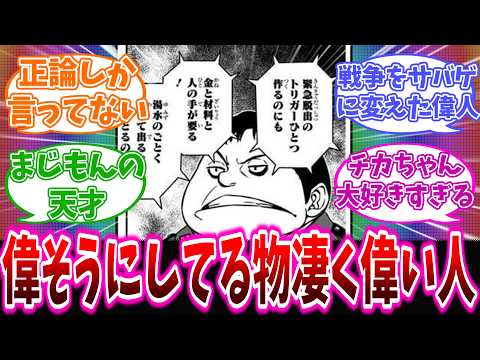
World Trigger’s portrayal of seemingly arrogant authority figures has sparked widespread audience engagement, with viewers initially dismissing these characters only to develop deeper appreciation as the narrative unfolds. This phenomenon reveals sophisticated storytelling techniques that challenge conventional character archetypes and reflect evolving trends in anime and manga storytelling.
What Happened
World Trigger, a long-running manga and anime series, has generated significant audience discussion regarding its portrayal of authority figures who initially appear arrogant or overbearing. Viewer reactions compiled from social media and online forums reveal a consistent pattern: audiences who initially disliked these characters develop more nuanced appreciation upon deeper engagement with the narrative. Comments frequently express sentiments such as “I initially disliked this character, but now I understand their perspective” and “Their judgment was correct, even if their demeanor was off-putting.”
Why It Matters
This phenomenon reflects a significant shift in how contemporary anime and manga audiences engage with complex character development and moral ambiguity. Rather than accepting simple hero-villain dichotomies, modern viewers demonstrate capacity for holding contradictory feelings simultaneously—disliking a character’s demeanor while acknowledging the validity of their decisions. This maturation in audience reception indicates that the medium is successfully exploring sophisticated themes around organizational hierarchy, responsibility, and the psychological burden of leadership. The success of World Trigger’s approach has influenced subsequent works in the industry, establishing new standards for character complexity.
Background
World Trigger began serialization in 2013 and has maintained consistent popularity through both manga and anime adaptations. The series distinguishes itself through detailed exploration of organizational structures and internal hierarchies, a relatively uncommon focus in mainstream anime. Unlike typical series where antagonists are portrayed as straightforward villains, World Trigger presents authority figures as individuals operating within genuine constraints, making difficult decisions with incomplete information and competing priorities.
The anime industry has undergone notable evolution in character portrayal over the past two decades. Early 2000s works like Naruto and Bleach typically employed clear moral binaries. By the early 2010s, series such as Attack on Titan and Code Geass introduced more complex political dynamics. Contemporary works including World Trigger, Demon Slayer, and Jujutsu Kaisen have further refined this approach, emphasizing organizational responsibility and internal conflict as central narrative elements.
Key Points
- Responsibility as Character Foundation: Authority figures in World Trigger are portrayed not as inherently arrogant, but as individuals whose confidence serves a functional purpose—maintaining organizational stability requires projecting certainty even when facing ambiguous situations.
- Audience Emotional Complexity: Viewers simultaneously maintain negative personal feelings toward characters while intellectually recognizing the validity of their decisions, demonstrating sophisticated emotional processing.
- Narrative Structure and Revelation: The series employs deliberate pacing, initially withholding contextual information that later justifies seemingly harsh decisions, allowing audience understanding to evolve across multiple viewing experiences.
- Multi-Perspective Storytelling: By presenting identical events through different characters’ viewpoints, the narrative reveals the complexity underlying seemingly straightforward decisions.
- Industry Trend Alignment: World Trigger represents the vanguard of a broader industry shift toward depicting organizational realism and moral ambiguity rather than simplified ethical frameworks.
- Diverse Audience Reception: Despite the general pattern of evolving appreciation, some viewers maintain critical perspectives on authority structures themselves, indicating the series’ realistic portrayal prompts reflection on actual power dynamics.
Timeline
- 2013: World Trigger manga serialization begins, introducing detailed organizational hierarchy unusual for the medium.
- 2014: Anime adaptation launches during late-night broadcast slot, establishing initial audience base.
- Early 2010s: Industry-wide shift toward complex political narratives in works like Attack on Titan and Code Geass.
- 2010s Mid-to-Late Period: Emergence of organizational responsibility as central theme in mainstream anime including Demon Slayer and Jujutsu Kaisen.
- Present: World Trigger continues serialization with sustained audience engagement and critical appreciation for character complexity.
Perspectives
Character Appreciation Evolution: The predominant audience perspective involves initial skepticism toward authority figures, followed by gradual recognition of their decision-making constraints. This pattern appears across multiple online platforms including Twitter and forum discussions, suggesting a widespread interpretive framework rather than isolated reactions.
Narrative Justification: Supportive viewers emphasize that character arrogance functions as a necessary expression of responsibility rather than personality flaw. They highlight how the series demonstrates that authority figures cannot afford to display doubt without undermining organizational cohesion, making their confident demeanor structurally inevitable.
Critical Organizational Perspective: Some viewers extend their analysis beyond character psychology to critique the power structures themselves. These audiences recognize the series’ realism in depicting organizational dynamics while questioning whether such hierarchies warrant acceptance, indicating the work’s portrayal is sufficiently authentic to provoke broader social reflection.
Comparative Analysis: Viewers frequently reference similar character arcs in other works, particularly Attack on Titan’s Commander Erwin Smith, noting that World Trigger executes comparable narrative techniques with particular sophistication. This comparative framing suggests audiences are developing meta-awareness of storytelling conventions across the medium.
Insights
World Trigger’s treatment of authority figures demonstrates that contemporary audiences have developed capacity for moral and emotional complexity that earlier industry assumptions underestimated. The series’ success indicates that viewers no longer require simplified ethical frameworks and actively appreciate narratives that resist easy judgment.
The pattern of evolving audience appreciation reflects broader cultural maturation regarding organizational dynamics. By presenting authority figures as individuals navigating genuine constraints rather than as villains or heroes, the series models a more realistic understanding of how institutions function and how decisions get made within hierarchical structures.
The deliberate ambiguity maintained throughout the narrative—never fully resolving whether character confidence stems from responsibility or power attachment—represents sophisticated storytelling that trusts audiences to hold unresolved tensions. This approach has proven more engaging than providing definitive moral judgments, suggesting that audiences find greater satisfaction in interpretive complexity than in narrative certainty.
World Trigger’s influence on subsequent anime and manga indicates that the industry has recognized this audience capacity and is increasingly investing in similar approaches. The series has effectively established new baseline expectations for character depth, making simplified characterization appear inadequate by comparison.
The work ultimately demonstrates that “complexity” is not merely an artistic choice but a reflection of how mature audiences actually process human behavior and institutional dynamics. By refusing to simplify its authority figures, World Trigger has created a more intellectually and emotionally honest portrait of leadership, organizational function, and the inevitable tensions between individual preference and structural necessity.