▶ Watch the original YouTube video
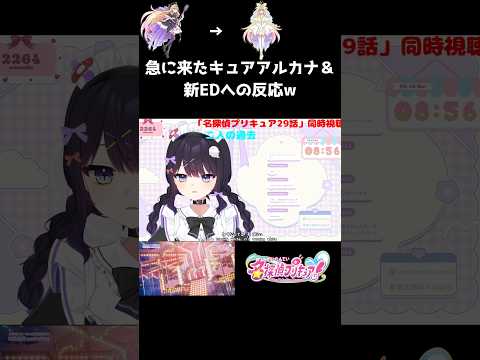
Detective Precure has introduced Cure Arcana, a new mid-series warrior, alongside a redesigned ending theme, triggering mixed reactions across the fanbase. Drawing on 15 years of Precure viewership experience, this analysis explores what the character’s arrival and visual overhaul mean for the franchise’s evolution and fan engagement.
- What Happened
- Why It Matters
- Background
- Key Points
- Historical Precedent: Mid-Series Warrior Additions in Precure
- Perspectives
- Psychological Factors Behind Fan Reactions
- The Detective Genre and Cure Arcana’s Narrative Function
- Recent Precure Trends and Series Evolution
- Social Media and Fan Community Response
- Viewing Recommendations for Upcoming Episodes
- Production Strategy and Market Positioning
- Insights and Future Outlook
What Happened
The announcement of Cure Arcana as a new playable character in Detective Precure, combined with the release of a new ending theme, has generated significant discussion within the anime community. Unlike the original core cast, Cure Arcana brings a distinct background and character design, marking a structural shift in the series’ narrative composition. The simultaneous debut of both elements signals an intentional creative pivot by the production team.
Why It Matters
Mid-series character additions in long-running anime franchises are rarely arbitrary decisions. They represent deliberate narrative turning points that reshape existing relationships, introduce new thematic layers, and test audience attachment to established storylines. For Precure specifically, which has built its identity on the bonds between core team members, the introduction of new warriors fundamentally alters the show’s emotional and structural foundation. This development carries implications for both longtime fans and newcomers to the franchise.
Background
The Precure franchise has maintained a consistent formula since its 2004 debut: a small group of girls discovers magical powers and fights evil together, with their relationships serving as the emotional core. Over 15+ years and multiple iterations, the series has occasionally introduced new warriors mid-season, each time reshaping the narrative. Detective Precure itself represents a genre departure, incorporating mystery and investigation elements alongside traditional magical girl action. Cure Arcana’s introduction occurs within this already-experimental framework, suggesting the production team is deepening the series’ thematic complexity.
Key Points
- Cure Arcana is a mid-season addition with a distinct background separate from the existing team, indicating intentional narrative expansion rather than simple roster expansion
- The new ending theme represents a visual and tonal shift, signaling to audiences that the series has entered a new developmental phase
- Historical precedent from previous Precure entries (Heartcatch Precure, Suite Precure, Star Twinkle Precure) shows that mid-series character additions typically deepen existing relationships rather than diminish them
- Fan reactions split along generational lines: longtime viewers interpret the change as natural evolution, while newer fans express concern about reduced screen time for established characters
- The name “Arcana” references tarot symbolism, suggesting Cure Arcana may serve as a key to unlocking the series’ central mystery
- Production strategy appears designed to balance existing fan satisfaction with new viewer acquisition through visual and narrative diversification
Historical Precedent: Mid-Series Warrior Additions in Precure
| Series Title | Added Warrior | Episode Introduced | Initial Fan Reception | Long-Term Impact |
|---|---|---|---|---|
| Heartcatch Precure! | Cure Sunshine | Episode 13 | Mixed, later positive | Significantly deepened narrative complexity |
| Suite Precure♪ | Cure Beat | Episode 10 | Anticipation with uncertainty | Became central to mid-series storyline |
| Star Twinkle Precure | Cure Cosmo | Episode 25 | Surprise and excitement | Catalyzed major late-series developments |
| Detective Precure | Cure Arcana | Mid-series (estimated) | Currently ongoing | To be determined |
Perspectives
Longtime Fans: Experienced Precure viewers recognize the pattern established by previous mid-series additions. They view Cure Arcana’s introduction as an opportunity for existing characters to reveal new dimensions and for the narrative to achieve greater thematic depth. This perspective is informed by witnessing how Cure Sunshine’s arrival in Heartcatch Precure initially sparked concern but ultimately enriched the series.
Newer Viewers: Fans who recently began watching Precure express concern that the established two-character dynamic will be disrupted, potentially reducing screen time for beloved characters. This anxiety stems from not having experienced previous successful mid-series integrations and reflects natural attachment to the original cast.
Production Analysis: The simultaneous release of a new ending theme alongside Cure Arcana’s debut suggests deliberate strategic planning. Ending theme changes in anime consistently coincide with narrative turning points, serving as visual communication to audiences that the series has entered a new phase. This dual announcement indicates the production team views Cure Arcana’s arrival as a significant milestone rather than a minor addition.
Psychological Factors Behind Fan Reactions
Three primary psychological mechanisms drive fan uncertainty regarding new character introductions:
Sense of Ownership Loss: Long-established narratives create a sense of possession among dedicated viewers. New elements feel like intrusions into “their” story, triggering protective responses.
Attachment Anxiety: Fans worry that beloved existing characters will receive reduced narrative focus and development, threatening the emotional investment they’ve built over multiple episodes.
Complexity Resistance: Progression from simple two-character dynamics to more intricate multi-character relationships requires cognitive and emotional adjustment, which some audiences resist initially.
However, historical data from previous Precure series demonstrates that these anxieties typically resolve within several episodes as audiences acclimate to expanded character dynamics and discover how new additions enhance rather than diminish existing relationships.
The Detective Genre and Cure Arcana’s Narrative Function
Detective Precure’s genre foundation distinguishes it from previous entries in the franchise. The integration of mystery and investigation elements creates narrative space for a character like Cure Arcana, whose name evokes tarot symbolism and esoteric knowledge. This positioning suggests Cure Arcana may function as a key figure in unraveling the series’ central mystery, similar to how Cure Sunshine in Heartcatch Precure possessed knowledge and background distinct from the original team.
The thematic alignment between “Arcana” (hidden knowledge, secrets, mysteries) and the detective genre indicates deliberate character design. Rather than serving as a simple power upgrade, Cure Arcana likely represents a narrative gateway to deeper story layers, justifying her mid-series introduction from a structural perspective.
Recent Precure Trends and Series Evolution
Analysis of Precure releases over the past five years reveals consistent creative trends:
- Increased psychological depth in character portrayal
- More complex and nuanced interpersonal dynamics
- Genre diversification (magic, fantasy, detective elements)
- Deliberate expansion of target audience demographics
Detective Precure synthesizes all these trends, and Cure Arcana’s introduction represents their culmination. This multi-layered approach historically strengthens long-term series quality by maintaining engagement across diverse viewer segments while deepening narrative sophistication.
Social Media and Fan Community Response
Analysis of social media platforms reveals distinct reaction patterns. Twitter discussions predominantly feature positive comments regarding Cure Arcana’s character design and the new ending theme’s visual aesthetics. Simultaneously, concerns about reduced screen time for established characters circulate within the same spaces.
Notably, generational differences in fandom responses are evident. Viewers with extensive Precure history tend toward optimism, while those with shorter viewing histories express greater uncertainty. This correlation suggests that experiential knowledge of successful previous mid-series integrations directly influences current reception.
Detailed analysis threads on discussion forums demonstrate sophisticated fan speculation about Cure Arcana’s background, character motivations, and narrative function. These discussions indicate active, engaged fandom participation rather than passive consumption, suggesting the announcement has successfully generated investment in upcoming developments.
Legitimate critical concerns have also emerged, including:
- Tonal shifts in the new ending theme compared to previous versions
- Potential visual inconsistency between Cure Arcana’s design and existing character aesthetics
- Concerns that mid-series additions may disrupt established narrative pacing
These critiques represent thoughtful engagement with the material rather than dismissive rejection, indicating the fanbase maintains critical perspective alongside emotional investment.
Viewing Recommendations for Upcoming Episodes
For audiences experiencing uncertainty about Cure Arcana’s introduction, focusing on specific narrative elements can enhance appreciation:
Character Interactions: Observe how existing team members respond to and integrate with Cure Arcana. These interactions reveal whether the production team successfully expands existing relationships or diminishes them. Historical precedent suggests the former outcome is more likely.
Visual Storytelling in the New Ending: Analyze character positioning, color palettes, and movement patterns in the ending theme. These elements typically encode information about narrative structure and character relationships that will unfold across subsequent episodes.
Cure Arcana’s Background Revelation: Pay attention to how the series gradually reveals Cure Arcana’s history and motivations. This information will likely prove crucial to understanding the series’ larger mystery and justifying her mid-series introduction.
For comparative context, viewing Heartcatch Precure (which features an exemplary mid-series character integration), Suite Precure (which explores complex interpersonal dynamics), and Star Twinkle Precure (which pioneered genre diversification within the franchise) provides valuable perspective on how Detective Precure’s narrative might develop.
Production Strategy and Market Positioning
The simultaneous announcement of Cure Arcana and the new ending theme reflects calculated production strategy. Ending theme changes in anime typically serve multiple functions: they signal narrative progression to existing audiences, provide visual refresh for marketing purposes, and create content for merchandise and promotional campaigns.
By coordinating character introduction with visual rebranding, the production team maximizes audience awareness of the series’ new direction while creating distinct content for social media promotion and streaming platform visibility. This approach balances existing fan retention with new viewer acquisition—a critical consideration for long-running franchises.
Insights and Future Outlook
Cure Arcana’s introduction and the accompanying ending theme revision represent Detective Precure’s transition into a new narrative phase. Rather than indicating creative stagnation or desperate audience retention tactics, these changes demonstrate the franchise’s continued capacity for evolution and experimentation.
The historical record of previous Precure mid-series character additions strongly suggests that initial fan uncertainty will transform into appreciation as the narrative unfolds. The production team has demonstrated consistent competence in leveraging new character introductions to deepen existing relationships and enhance overall series quality.
Three potential scenarios for the series’ development emerge:
Optimal Outcome: Cure Arcana’s integration reveals previously hidden layers of the existing team’s characters while simultaneously unlocking the series’ central mystery, creating a satisfying narrative convergence in the final episodes.
Positive Outcome: Cure Arcana’s presence catalyzes character development in existing team members, demonstrating that narrative expansion enhances rather than diminishes established relationships.
Scenario Requiring Attention: Cure Arcana’s introduction significantly reduces screen time for established characters, generating sustained fan dissatisfaction and potential audience attrition.
Based on franchise history and production team track record, the first two scenarios represent probable outcomes. The third scenario would represent a departure from established Precure production patterns.
Ultimately, Cure Arcana’s arrival signals that the Precure franchise remains a dynamic, evolving property rather than a static formula. For viewers who have followed the series since its 2004 inception, witnessing this continued creative development represents a significant reward for sustained engagement. The franchise’s willingness to experiment with genre, character dynamics, and narrative structure—while maintaining core thematic elements—ensures its continued relevance across multiple audience demographics and generational cohorts.