▶ Watch the original YouTube video
The Identity Reveal in ‘Yakimanga’: How a Comedy Manga Evolved Into a Complex Mystery
A pivotal episode of the manga ‘Yakimanga’ has shocked fans by revealing that the protagonist character has been hiding a major secret—and that multiple versions of the character exist simultaneously. This narrative twist transforms the series from a straightforward comedy into a layered mystery with psychological depth, raising questions about identity, trust, and the nature of the story itself.
What Happened
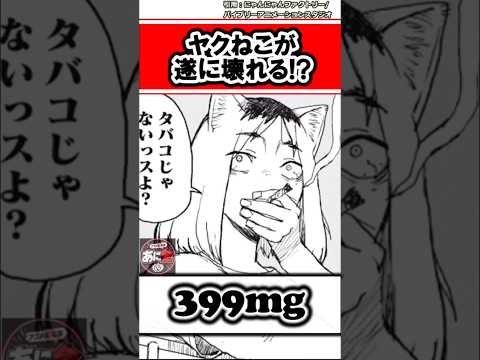
In a recent episode of ‘Yakimanga,’ the titular character makes a shocking confession in a hallway scene, revealing that the version readers have been following is not the genuine article. The revelation introduces a startling complication: multiple versions of the character exist, each with nearly identical appearances and speech patterns. This discovery creates an awkward atmosphere among the cast and introduces a new layer of mystery to the narrative. Additionally, a cryptic numerical reference—”399mg”—appears to hold significance to the unfolding plot, though its true meaning remains unclear.
Why It Matters
This narrative development marks a fundamental shift in how ‘Yakimanga’ functions as a story. What began as a comedy manga has evolved into a work with substantial mystery and psychological elements. The introduction of multiple character identities challenges readers to reconsider previous episodes and reinterpret character motivations. This technique mirrors narrative strategies employed in acclaimed series like ‘Attack on Titan’ and ‘Demon Slayer,’ where identity reveals serve as pivotal turning points that reshape the entire story’s meaning. For the manga industry, this represents a growing trend in web comics toward layered, mystery-driven narratives that sustain long-term reader engagement and fan analysis.
Background
‘Yakimanga’ initially appeared to readers as a straightforward comedic series, gaining attention through social media discussion. However, as the narrative progressed, careful observers began noticing sophisticated character development and foreshadowing elements woven throughout earlier episodes. The series employs a structure where character secrets are gradually revealed, transforming the reader’s understanding of prior events. This approach aligns with contemporary trends in the web comics industry, where works like ‘Kaiju No. 8’ and ‘Dungeon Meshi’ have successfully employed staged identity revelations to deepen narrative complexity.
Key Points
- Character Confession: The protagonist makes a critical revelation about their true identity during a significant scene, marking a narrative turning point.
- Multiple Identities: The discovery that the character readers have followed is not the original, with additional versions of the character existing simultaneously.
- Psychological Tension: The revelation creates an awkward, emotionally charged atmosphere among the cast, suggesting fractured trust and complex emotional dynamics.
- Cryptic Clue: The numerical reference “399mg” appears embedded in the narrative, potentially holding significance to future plot developments.
- Genre Evolution: The series transitions from comedy to a hybrid genre incorporating mystery and psychological thriller elements.
- Fan Engagement: The twist has sparked extensive online discussion and fan theories about the true nature of the characters and plot.
Narrative Structure and Comparison
The identity reveal in ‘Yakimanga’ employs a technique that has proven effective in other acclaimed series. In ‘Attack on Titan,’ the protagonist’s hidden nature fundamentally recontextualizes the entire narrative. Similarly, ‘Yakimanga’ uses the multiple-identity concept to create narrative complexity that exceeds traditional mystery structures. Rather than presenting a single hidden truth, the series introduces simultaneous, competing identities—a more sophisticated approach that demands readers actively engage in interpretation.
The introduction of multiple versions of the same character represents an evolution beyond conventional identity-reveal mechanics. This approach generates sustained reader interest by creating ongoing interpretive challenges: Which version is authentic? What is the relationship between the versions? How do these revelations affect character relationships and future plot developments?
Perspectives
Fan Reception: Online communities have responded with enthusiasm, with many viewers expressing a desire to revisit earlier episodes with new understanding. Social media platforms and discussion forums show widespread engagement with theories about the “399mg” reference and the nature of the multiple characters.
Critical Considerations: Some readers have expressed concern that the increased complexity may obscure the narrative’s central focus. The transition from comedy to mystery-thriller elements has created mixed reactions, with some appreciating the genre evolution and others finding the shift abrupt or overwhelming.
Industry Context: Within the broader manga and web comics landscape, this development reflects a deliberate strategy to sustain reader engagement through layered mystery and character depth—a proven approach in contemporary serialized storytelling.
Insights and Future Implications
‘Yakimanga’s’ identity reveal represents a calculated narrative choice with significant implications for the series’ future direction. The simultaneous presentation of multiple character identities creates several interpretive pathways: the relationship between the versions may be adversarial, complementary, or symbiotic. The emotional awkwardness among the cast suggests that character relationships will undergo substantial transformation.
The inclusion of the “399mg” reference indicates that the creators have embedded additional layers of meaning into the narrative structure. In comparable works, such numerical or symbolic elements typically connect to core plot elements or thematic concerns. Readers who engage with this detail may discover connections that deepen their understanding of the overall story.
The series’ evolution from comedy to mystery-driven narrative demonstrates how serialized storytelling can strategically shift genre conventions to maintain reader interest and critical engagement. If executed successfully, this approach could establish ‘Yakimanga’ as a significant work within contemporary manga culture. The success of this transition depends on whether future episodes maintain narrative coherence while expanding the mystery’s scope.
For readers approaching ‘Yakimanga,’ beginning from the first episode is strongly recommended, as the impact of the identity reveal depends entirely on accumulated narrative context. Careful attention to character dialogue, behavior patterns, and visual details across earlier episodes may reveal subtle distinctions between character versions that foreshadow the revelation.
Related Works Worth Exploring
Readers interested in similar narrative structures may find value in examining ‘Attack on Titan,’ which employs multiple hidden identities and layered revelations; ‘Danganronpa,’ which centers on mystery and character deception; and ‘Kaiju No. 8,’ a contemporary web comic featuring complex character concealment and identity questions. These works share structural and thematic elements with ‘Yakimanga’s’ current direction.