▶ Watch the original YouTube video
Dragon Quest 12 Announcement Sparks Mixed Fan Reactions: Expectations vs. Reality
The announcement of Dragon Quest 12: Beyond the Dreams has generated complex fan reactions that reveal a significant gap between expectations and the revealed character design. After 15 years following the franchise, players express both disappointment and cautious optimism about the protagonist’s visual direction and the game’s thematic direction.
What Happened
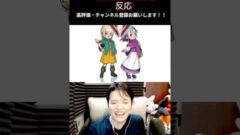
Square Enix announced Dragon Quest 12: Beyond the Dreams in 2024, unveiling the protagonist’s character design alongside the new subtitle. The announcement immediately sparked debate on social media, with fans expressing concerns about the protagonist’s appearance and overall aesthetic direction. Rather than the dark, mature visual style many anticipated, the revealed design features what some describe as a hollow, fatigued expression that diverges from expectations set by Dragon Quest 11.
Why It Matters
Character design reveals are critical moments for major game franchises, as they shape fan expectations and set the tone for upcoming releases. Dragon Quest 12 represents the next major entry in one of gaming’s most beloved RPG series, making its visual and thematic direction significant for both longtime fans and the broader gaming industry. The gap between fan expectations and the actual reveal demonstrates how narrative themes, marketing, and visual presentation influence player psychology and anticipation.
Background
Dragon Quest 11, released in 2017, established a thematic foundation centered on “light and shadow” and the protagonist’s predetermined destiny. The game’s success came from balancing nostalgic Dragon Quest elements with modern graphics and deeper storytelling. Dragon Quest 12’s subtitle, “Beyond the Dreams,” suggests a shift toward more philosophical themes exploring the boundary between dreams and reality. This thematic direction, combined with industry trends toward darker fantasy narratives, led many fans to anticipate a more mature, visually darker aesthetic similar to recent successful titles like Elden Ring and Baldur’s Gate 3.
Key Points
- Fan reactions focus heavily on the protagonist’s character design, with many describing the appearance as “sleep-deprived” or “hollow” rather than the anticipated dark, mature aesthetic
- The subtitle “Beyond the Dreams” created expectations for darker, more philosophical storytelling, but the revealed design suggests a different visual direction
- Some fans theorize the design may reflect the game’s thematic focus on the boundary between dreams and reality, suggesting deeper narrative meaning
- Comparisons to Dragon Quest 11’s character design reveal a shift from clear heroic identity to ambiguous, ethereal presentation
- Fan reactions are mixed, ranging from disappointment to cautious optimism about how the design will function within the game’s narrative context
- Historical precedent from Final Fantasy 15 and Zelda: Tears of the Kingdom shows that initial character design criticism often transforms into appreciation after gameplay reveals
Timeline
- 2009: Dragon Quest 9 marks the beginning of the modern 3D era for the franchise
- 2015: Dragon Quest 11 announced, initially receiving mixed reactions to character design that later became beloved
- 2017: Dragon Quest 11 released to critical acclaim, establishing “light and shadow” thematic foundation
- 2022–2023: Industry trend toward darker fantasy narratives accelerates with Elden Ring, Final Fantasy 16, and Baldur’s Gate 3
- 2024: Dragon Quest 12 announced with “Beyond the Dreams” subtitle and protagonist character design reveal
Perspectives
Critical Fan Perspective: Many fans express disappointment, noting that the protagonist’s design does not match the dark, mature aesthetic they anticipated. Comments like “this isn’t what I expected” and “it’s not dark at all” reflect the gap between pre-announcement expectations and the actual reveal. These fans anticipated a visual direction aligned with contemporary dark fantasy trends.
Optimistic Fan Perspective: Other fans theorize that the design may deepen as the narrative progresses, suggesting that the protagonist’s hollow appearance could reflect thematic elements about existing between dreams and reality. This perspective draws parallels to Dragon Quest 11, where initial design concerns proved meaningful within the game’s narrative context.
Analytical Fan Perspective: Some fans engage in deeper analysis, attempting to understand the design’s intentional meaning rather than dismissing it as a failure. These fans recognize that character design choices often carry narrative significance that becomes apparent only through gameplay.
Insights
The Dragon Quest 12 announcement reveals a pattern common in major game releases: the gap between fan expectations and actual reveals often stems from how marketing, thematic messaging, and industry trends shape anticipation. The subtitle “Beyond the Dreams” and contemporary industry movement toward darker narratives created specific expectations that the character design did not immediately fulfill.
However, historical precedent suggests this initial disappointment may be temporary. Dragon Quest 11 faced similar criticism during its announcement phase, yet the character design proved perfectly aligned with the game’s narrative themes once players experienced the full story. The protagonist’s apparent fatigue or hollow expression in Dragon Quest 12 may similarly carry thematic weight related to the game’s exploration of dreams versus reality.
The mixed reactions also demonstrate how character design functions as a complex visual language. What appears as a flaw or mismatch at the announcement stage may reveal itself as intentional thematic expression within the game’s narrative context. The protagonist’s ethereal, ambiguous appearance could deliberately contrast with Dragon Quest 11’s clearer heroic identity, signaling a shift toward more complex, philosophically-grounded storytelling.
For fans, the announcement serves as a reminder that initial impressions of character design, particularly at reveal stages, represent incomplete information. The full context—narrative, gameplay, thematic integration—remains unknown until release. The cautious optimism visible in fan reactions suggests that despite initial disappointment, many players remain willing to trust the development team’s creative vision, drawing on positive experiences with previous franchise entries.