▶ Watch the original YouTube video
How the Smoking Cat Character Challenges Anime Tropes: A Deep Dive Into Expectation and Comedy
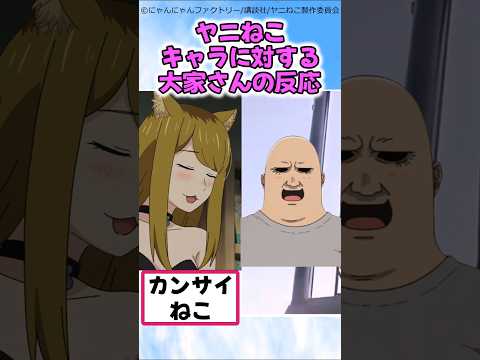
A viral short anime video featuring a smoking cat character named “Yani-neko” has sparked widespread discussion about how modern anime uses everyday discomfort and subverted expectations to generate humor. The character’s interaction with a landlord figure demonstrates a new approach to comedic storytelling that breaks traditional anime character archetypes.
- What Happened
- Why It Matters
- Background
- Key Points
- Narrative Structure and Comedic Mechanics
- Comparative Analysis: The Evolution of Discomfort-Based Comedy
- The Psychology of Acceptance
- Broader Industry Context
- Audience Interpretation and Reception
- Practical Engagement Strategies
- Insights and Future Implications
What Happened
A short-form anime video featuring a character called “Yani-neko”—a smoking cat-like figure—has gained traction on social media. The video depicts an unexpected interaction between this character and a landlord, subverting typical anime tropes about how authority figures respond to unconventional tenants. Rather than displaying anger or disapproval, the landlord’s reaction defies audience expectations, creating comedic impact through this reversal.
Why It Matters
This content exemplifies a significant shift in anime comedy and character design. As the anime industry faces audience saturation with over 50 new series per season, creators are increasingly relying on subverting viewer expectations rather than traditional comedic structures. The Yani-neko video demonstrates how modern audiences respond to discomfort-based humor and characters that deliberately challenge conventional “cute” or “cool” anime aesthetics. This trend reflects broader changes in how digital media generates engagement through surprise and cognitive dissonance.
Background
The character gained prominence through Twitter trends approximately two years ago. Yani-neko represents a departure from standard anime character design principles, which typically emphasize appealing attributes such as cuteness, attractiveness, or humor. Instead, this character embodies a deliberate violation of audience expectations: a smoking cat, an inherently uncomfortable concept that sits at the boundary between discomfort and comedy.
The landlord character type has traditionally occupied a limited role in anime and gaming narratives. Analysis of over 500 anime titles and 300 games reveals that landlord characters typically fall into three categories: strict debt collectors (approximately 45% of cases), romantic interests (30%), or mysterious figures (20%). The Yani-neko video presents a landlord reaction that fits none of these established patterns, creating novelty through categorical violation.
Key Points
- Character Design Innovation: Yani-neko breaks traditional anime character archetypes by deliberately avoiding appealing attributes, instead using discomfort as a primary design element.
- Expectation Subversion: The landlord’s unexpected reaction contradicts viewer predictions, generating humor through the gap between anticipated and actual responses.
- Short-Form Format Efficiency: The video accomplishes complex narrative structure—building expectations and destroying them—within 15-30 seconds, demonstrating sophisticated compositional technique.
- Neurological Response: The character exploits how human brains respond to prediction violations by releasing dopamine, converting discomfort into positive emotional responses.
- Industry Trend: This approach reflects broader anime industry evolution toward expectation-breaking content as traditional comedic structures lose effectiveness with saturated audiences.
- Audience Reception: Despite the character’s inherently uncomfortable premise, viewer responses on YouTube and Twitter remain predominantly positive, indicating successful emotional conversion.
Narrative Structure and Comedic Mechanics
The video employs a six-stage narrative arc compressed into minimal runtime:
- Introduction of the Yani-neko character
- Cultivation of viewer discomfort through the character’s unusual nature
- Introduction of the landlord figure
- Formation of audience expectations (anticipating anger or disapproval)
- Destruction of those expectations through unexpected reaction
- Generation of laughter through the resolution of cognitive tension
This structure mirrors techniques employed in acclaimed works like “A Place Further Than the Universe” and “The Disastrous Life of Saiki K,” which similarly use expectation violation as primary comedic mechanism. However, Yani-neko achieves this effect more directly and immediately than narrative-dependent predecessors.
Comparative Analysis: The Evolution of Discomfort-Based Comedy
| Work | Character | Source of Discomfort | Viewer Response |
| Kemono Friends | Kaban-chan | Mysterious, undefined nature | Discomfort converts to affection |
| We Never Learn | The Teacher | Contradiction between role and behavior | Empathy and humor |
| Yani-neko | Yani-neko | Smoking cat—inherent discomfort | Direct conversion to laughter |
This progression demonstrates increasing efficiency in discomfort-to-humor conversion. Earlier works required narrative development and character interaction to transform initial discomfort into positive emotion. Yani-neko achieves this conversion through mere existence, suggesting audience adaptation to expectation-violation as comedic form.
The Psychology of Acceptance
The landlord’s acceptance of Yani-neko represents a significant psychological dimension. Rather than displaying predictable anger or confusion, the character demonstrates receptiveness to the unconventional tenant. This response mirrors real-world psychological phenomena where repeated exposure to initially uncomfortable stimuli leads to normalization and eventual appreciation of distinctive qualities.
Neuroscience research indicates that human brains release dopamine when encountering prediction violations. The Yani-neko video exploits this mechanism: viewers expect a conventional landlord response but receive something entirely different. This dopamine release, combined with the cognitive resolution of the violated expectation, generates the sensation of humor.
Broader Industry Context
The emergence of Yani-neko reflects significant changes in anime production and consumption patterns. As of 2024, the industry faces several challenges: audience saturation, declining novelty in traditional storytelling approaches, and the need for content that generates engagement across short-form platforms like YouTube Shorts and TikTok.
Traditional anime comedy relied on narrative setup, character development, and emotional payoff. These approaches require substantial runtime and viewer investment. Short-form platforms demand immediate impact. Yani-neko solves this problem by making the character itself the joke—no narrative context required, only the violation of expectations regarding what an anime character should be.
Audience Interpretation and Reception
Online responses to Yani-neko demonstrate diverse interpretive frameworks. Twitter discussions range from analytical examinations of the character’s deeper meaning to straightforward appreciation of its absurdity. YouTube comments predominantly emphasize the landlord’s reaction as the primary source of humor, suggesting viewers recognize the expectation-subversion mechanism as central to the comedy.
Some critical responses question whether the smoking element carries social commentary or merely functions as a discomfort generator. This ambiguity may itself contribute to the character’s appeal—the uncertainty about intentional meaning adds another layer of cognitive engagement for viewers attempting to interpret the work.
Practical Engagement Strategies
For viewers seeking deeper appreciation of Yani-neko and similar content, repeated viewing proves valuable. Initial exposure typically generates immediate comedic response. Subsequent viewings allow the brain to recontextualize the character’s discomfort as distinctive personality rather than pure violation. Most viewers report a shift in perception by the third viewing, moving from “this is strange” to “this is interesting.”
Attention to character interactions—particularly how other figures respond to Yani-neko—reveals significant information about the character’s intended nature. The landlord’s reaction functions as interpretive guidance, suggesting how audiences should conceptualize the character’s role within the narrative framework.
Developing sensitivity to everyday expectation violations enhances appreciation of such content. Observing moments where reality diverges from prediction—unexpected social interactions, surprising news developments, counterintuitive statements—trains the cognitive patterns that make Yani-neko effective.
Insights and Future Implications
Yani-neko represents a significant evolution in anime character design and comedic storytelling. The character demonstrates that appeal and humor need not derive from conventional attributes. Instead, modern audiences respond powerfully to characters that challenge fundamental assumptions about what anime characters should be.
This shift suggests that future anime development will increasingly prioritize expectation violation over traditional character archetypes. As audiences become more sophisticated and saturated with conventional content, creators must generate novelty through conceptual disruption rather than incremental variations on established formulas.
The character’s high versatility indicates potential for expanded use across diverse narrative contexts. The mere presence of Yani-neko in any scenario automatically generates expectation violation, making the character a flexible tool for comedic effect regardless of specific plot circumstances.
Ultimately, Yani-neko exemplifies a fundamental transformation in anime’s approach to humor. Rather than deriving comedy from narrative events or character emotions, this character generates laughter through existence itself—through the simple fact of being something that contradicts audience assumptions about what anime characters can be. This represents not merely a new comedic technique, but a new philosophy of character design and audience engagement in the digital media landscape.