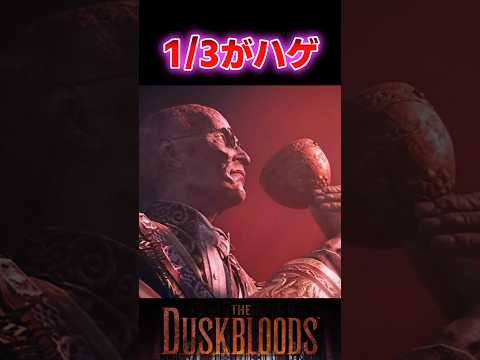
▶ Watch the original YouTube video
The Baldness Phenomenon: How The Duskbloods’ Unconventional Design Choice Sparked a Gaming Community Sensation
The indie game The Duskbloods has generated unexpected viral attention with its unusual design choice: one-third of its characters are bald. This unconventional setting has sparked widespread reaction videos, memes, and community discourse, revealing how bold creative decisions can unite gaming audiences and challenge industry conventions.
- What Happened
- Why It Matters
- Background
- Key Points
- Timeline
- Perspectives
- Analysis: The Mechanics of Unconventional Design
- Evaluation Framework: Assessing Unconventional Game Design
- Comparative Analysis: Unconventional Design Across Games
- Recommended Approach for Engaging with The Duskbloods
- Community Reactions: Diverse Interpretations
- Insights: The Future of Game Design Evaluation
- Future Developments to Monitor
- Conclusion
What Happened
The Duskbloods, an indie game developed by an independent development team, has become the subject of widespread online discussion due to a distinctive character design choice: approximately one-third of the game’s characters are bald. This unusual aesthetic decision has generated numerous reaction videos, social media posts, and community interpretations, transforming what might appear as a simple design quirk into a cultural phenomenon within gaming circles.
The setting has prompted content creators and players to produce reaction videos analyzing and discussing this design choice, with these videos accumulating significant viewership and engagement. Rather than dismissing the feature as a joke, the community has engaged in serious analysis of the creative intent behind this decision.
Why It Matters
The Duskbloods phenomenon represents a significant shift in how gaming communities respond to unconventional creative choices. Over the past five years, independent and mid-tier game developers have increasingly captured mainstream attention by challenging industry conventions—a trend exemplified by titles like Celeste (2018), Outer Wilds (2019), Hades (2020), and Returnal (2021).
This case study demonstrates that players are increasingly drawn to games that subvert expectations rather than conform to established design formulas. The baldness design choice illustrates how a single unconventional element can generate organic community engagement, creative content, and meaningful discussion about game design philosophy. This shift suggests that “unconventionality” itself is becoming a valued criterion in game evaluation, potentially reshaping how developers approach character and world design.
Furthermore, the phenomenon highlights the emergence of reaction videos as a distinct form of gaming content—a meta-commentary on games themselves that generates value independent of the original game’s commercial success.
Background
The Duskbloods is developed by an independent game development team, which distinguishes it from major studio productions. Large gaming corporations typically employ extensive market research and playtesting that would likely eliminate unconventional design choices like the baldness setting. Independent developers, by contrast, retain creative freedom to pursue experimental design decisions without pressure to conform to market expectations.
This design choice parallels previous instances where unconventional game mechanics or aesthetics have sparked community engagement. Undertale (2015) challenged RPG conventions by offering players the option to avoid combat entirely, generating extensive player analysis and creative works. Similarly, Outer Wilds presented a time-loop universe that prompted deep scientific and philosophical discussion, while Hades reinterpreted Greek mythology in unexpected ways that inspired substantial fan creativity.
The baldness design choice functions as a visual and aesthetic element rather than a mechanical one, distinguishing it from previous examples of unconventional game design. This categorization affects the type of community response it generates.
Key Points
- Unconventional Design: The decision to make one-third of characters bald represents a rare and deliberate departure from standard character design conventions in gaming.
- Community Creativity: The design choice has generated diverse community responses including reaction videos, meme content, and analytical discussion rather than dismissal.
- Industry Trend: The phenomenon reflects a broader shift in gaming culture toward valuing experimental and unconventional creative choices from independent developers.
- Meta-Content Generation: Reaction videos represent a new form of gaming content that exists independently of traditional gameplay footage or reviews.
- Expectation Subversion: The design choice succeeds by contradicting players’ preconceived notions about how game characters should appear, prompting deeper engagement and analysis.
- Social Sharing Potential: The unusual nature of the design makes it inherently shareable on social media platforms, amplifying its reach beyond traditional gaming audiences.
Timeline
- 2015: Undertale releases, establishing the viability of unconventional game design in indie development.
- 2018-2021: Independent and mid-tier games (Celeste, Outer Wilds, Hades, Returnal) achieve mainstream recognition, signaling industry shift toward valuing experimental design.
- Approximately 3 months ago: The Duskbloods gains initial attention for its baldness design choice.
- Present: Reaction videos and community discussion surrounding the baldness design reach peak engagement.
Perspectives
Supportive Interpretation: Many community members view the baldness design as a bold creative statement that demonstrates the developer’s willingness to challenge aesthetic conventions. These supporters appreciate the unconventionality as evidence of artistic integrity and creative risk-taking. They interpret the design choice as intentional and meaningful rather than arbitrary.
Skeptical Interpretation: Other community members question whether the baldness design represents genuine creative intent or merely a marketing gimmick designed to generate viral attention. This perspective questions whether the design choice integrates meaningfully with the game’s broader narrative and world-building or functions primarily as a talking point.
Analytical Perspective: Game design analysts examine the baldness choice as a case study in how visual design elements can generate community engagement and creative content. This view focuses on the psychological mechanisms—expectation subversion, cognitive dissonance resolution, and social bonding—that drive community response regardless of the designer’s original intent.
Comparative Perspective: Some observers contextualize the baldness design within the broader trend of indie games challenging industry conventions. This perspective views The Duskbloods as one example among many of how independent developers are reshaping player expectations and community engagement patterns.
Analysis: The Mechanics of Unconventional Design
Cognitive Dissonance and Engagement: Players approaching The Duskbloods with standard gaming expectations encounter a design choice that contradicts those expectations. This cognitive dissonance—the mental discomfort of encountering the unexpected—motivates players to seek meaning and explanation. The brain’s natural response to resolve this discomfort drives deeper engagement with the design choice and generates discussion and analysis.
Shareability and Social Bonding: The baldness design’s unusual nature makes it inherently shareable. When players communicate this design choice to others, they are not simply transmitting information but seeking social connection with others who recognize and appreciate the unconventionality. This social dimension transforms individual reactions into community phenomena.
Creative Expression Through Interpretation: When community members develop theories about why the design choice exists or what it signifies, they engage in creative interpretation. This process allows individuals to express their own creativity and analytical capabilities, fulfilling psychological needs for self-expression and intellectual engagement.
Evaluation Framework: Assessing Unconventional Game Design
The quality and impact of unconventional game design can be evaluated across five dimensions:
Novelty: The degree to which the design deviates from established conventions. The Duskbloods scores exceptionally high on this dimension—the baldness design choice is virtually unprecedented in gaming history.
Intentionality: Whether the design choice integrates meaningfully with the game’s broader narrative, world-building, and design philosophy. This remains the critical unknown element for The Duskbloods, as full game context is not yet available for analysis.
Creative Induction: The degree to which the design choice stimulates community creativity, discussion, and content generation. The Duskbloods demonstrates strong performance on this dimension through reaction videos, memes, and analytical content.
Inclusivity: The extent to which the design appeals to diverse player audiences. Highly unconventional designs may alienate players seeking conventional experiences while strongly appealing to players seeking novelty.
Sustainability: Whether community interest in the design choice persists beyond initial novelty. Long-term engagement depends on whether the design integrates meaningfully with the complete game experience.
Comparative Analysis: Unconventional Design Across Games
| Game Title | Unconventional Element | Community Response Type | Commercial Success |
|---|---|---|---|
| Undertale | Option to avoid combat entirely | Extensive analysis and creative works | High |
| The Duskbloods | One-third of characters are bald | Reaction videos and meme content | Rising |
| Outer Wilds | Time-loop universe structure | Deep scientific and philosophical analysis | High |
| Hades | Reinterpretation of Greek mythology | Fan creative works and secondary content | Very High |
This comparison reveals that the type of unconventional element determines the form of community response. Mechanical unconventionality (Undertale’s combat options) generates philosophical and analytical discussion. Narrative unconventionality (Hades’ mythology reinterpretation) generates creative secondary works. Visual unconventionality (The Duskbloods’ baldness design) generates reaction content and meme formats.
Recommended Approach for Engaging with The Duskbloods
Play Without Prior Context: Experiencing the baldness design choice without advance knowledge creates the cognitive dissonance that drives meaningful engagement. Playing the game first, before viewing reaction videos, preserves the impact of expectation subversion.
Develop Personal Interpretation: Before consuming community reactions, develop your own analysis of why the design choice exists and what it signifies. This personal analytical process deepens understanding of game design principles.
Explore Related Games: Understanding The Duskbloods within the context of other unconventional games clarifies its position within broader industry trends. Recommended comparative titles include Undertale (unconventional mechanics), The Stanley Parable (expectation subversion), and Spec Ops: The Line (design choices that challenge player ethics).
Community Reactions: Diverse Interpretations
Positive Reception: Many community members express appreciation for the unconventional design choice, viewing it as evidence of creative boldness and industry innovation. Comments emphasize the rarity of such design decisions and the fresh perspective they bring to game development.
Questioning Response: Other community members express uncertainty about the design choice’s intentionality, questioning whether it represents meaningful creative vision or marketing-driven novelty. These responses focus on the need to understand the design’s integration with the complete game experience.
Creative Engagement: Substantial community response involves generating original content inspired by the baldness design—creating backstories for bald characters, theorizing about narrative explanations, and producing analytical content. This creative engagement demonstrates the design choice’s success in stimulating community participation.
Meta-Commentary: YouTube comments on reaction videos frequently praise specific reactions and interpretations, indicating that the reaction videos themselves function as independent entertainment content separate from the original game.
Insights: The Future of Game Design Evaluation
The Duskbloods phenomenon suggests that unconventionality is becoming an established criterion for game evaluation alongside traditional metrics like graphics, gameplay mechanics, and narrative quality. This shift reflects broader changes in player preferences and community values.
The success of independent and mid-tier games with unconventional designs indicates that players increasingly value creative risk-taking over market-tested formulas. This trend may encourage more developers to pursue experimental design choices, potentially creating a new competitive landscape where unconventionality itself becomes a differentiating factor.
The emergence of reaction videos as significant gaming content suggests that game consumption patterns are evolving beyond traditional gameplay footage and reviews. Meta-commentary on games—analyzing and responding to design choices—has become a valued form of content in its own right.
The baldness design choice demonstrates that a single unconventional element can generate disproportionate community engagement and cultural impact. This suggests that future game development may increasingly focus on identifying and implementing distinctive design choices that generate discussion and shareability.
Future Developments to Monitor
Full Game Release: The complete game’s release will provide essential context for evaluating whether the baldness design choice integrates meaningfully with the broader game experience or functions primarily as a standalone talking point.
Developer Commentary: Official statements from the development team regarding the design choice’s intentionality and meaning will clarify whether the community’s analytical engagement aligns with the creators’ original vision.
Industry Response: Observing whether other independent developers pursue similar unconventional design strategies will indicate whether The Duskbloods establishes a new trend or represents an isolated phenomenon.
Academic Analysis: Game studies scholars may begin analyzing The Duskbloods as a case study in how unconventional design generates community engagement and cultural impact.
Conclusion
The Duskbloods’ baldness design choice represents more than a viral marketing moment—it exemplifies a fundamental shift in gaming culture toward valuing creative unconventionality. The phenomenon demonstrates how a single bold design decision can unite communities, generate creative content, and challenge industry assumptions about what constitutes effective character design.
Whether the baldness design ultimately proves to be a meaningful creative choice integrated with the game’s broader vision or a clever marketing strategy remains to be determined. Regardless, the community response reveals that players are increasingly receptive to games that challenge their expectations and reward analytical engagement.
As the gaming industry continues evolving, The Duskbloods serves as a significant indicator of changing player preferences and the growing value of creative risk-taking in game development. The phenomenon merits continued observation as both a cultural moment and a potential harbinger of broader industry trends.