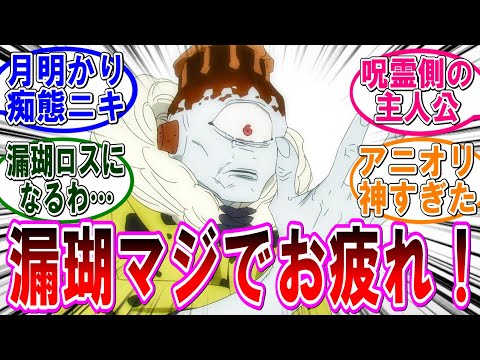
▶ Watch the original YouTube video
Jujutsu Kaisen Episode 40: How Jogo’s Death Became a Turning Point in Anime Character Development
Episode 40 of Jujutsu Kaisen, titled “Thank You for Your Hard Work, Jogo,” marked a pivotal moment in anime storytelling by treating a cursed spirit antagonist with unprecedented dignity and emotional depth. The episode’s portrayal of Jogo’s final moments sparked widespread emotional responses from viewers, demonstrating how modern anime is evolving beyond traditional hero-villain dynamics to explore the philosophical complexity of existence itself.
- What Happened
- Why It Matters
- Background
- Key Points
- Production Analysis: Visual, Musical, and Vocal Integration
- Comparative Analysis: Antagonist Deaths in Modern Anime
- Fan Reception and Social Media Response
- Psychological Dimensions: Why Viewers Mourn Antagonists
- Narrative Implications and Future Story Direction
- Broader Industry Trends: The Maturation of Anime Storytelling
- Conclusion: The Significance of Respectful Antagonist Portrayal
What Happened
In Episode 40, Jogo, one of the series’ primary antagonists and a special-grade curse, faces his ultimate defeat at the hands of the protagonist group. Rather than presenting this as a simple victory, the episode crafts an emotionally resonant farewell that emphasizes Jogo’s acceptance of his loss and acknowledgment of his opponents’ growth. The production employs synchronized visual, musical, and vocal elements to transform what could have been a standard battle conclusion into a meditation on existence, sacrifice, and the value of all beings—even those born as curses.
Why It Matters
This episode represents a significant evolution in how anime treats antagonist characters. Rather than dismissing Jogo as merely an obstacle to overcome, the production team granted him the narrative weight and emotional complexity traditionally reserved for protagonists. This approach reflects a broader industry trend toward mature storytelling that rejects simplistic good-versus-evil frameworks. For viewers accustomed to conventional battle narratives, Jogo’s dignified exit challenged their emotional expectations and demonstrated that even supernatural entities deserve respect and recognition. The episode’s reception on social media—where fans used hashtags like #ThankYouJogo—revealed that audiences now demand nuanced character treatment regardless of a character’s role in the story.
Background
Jogo was introduced in Jujutsu Kaisen’s first season as a special-grade curse, a being born from human negative emotions rather than a human transformed into a curse. This distinction is crucial: unlike demons in similar series who possess human backstories or memories, Jogo existed from inception as a supernatural entity. Throughout the series, the character was developed with surprising depth, displaying personality, philosophy, and emotional capacity despite his non-human nature. The production team consistently portrayed Jogo not as a mindless monster but as a conscious being with agency and purpose. This careful characterization laid the groundwork for Episode 40’s emotional payoff, allowing viewers to develop genuine investment in a character explicitly positioned as an enemy.
Key Points
- Dignified Antagonist Exit: Jogo’s final scene preserves his dignity and agency, presenting his defeat not as humiliation but as acceptance and completion of his arc.
- Non-Human Emotional Complexity: Despite being a curse—a fundamentally non-human entity—Jogo demonstrates recognizably human emotions including respect, resignation, and acknowledgment of growth in others.
- Production Synchronization: The episode achieves emotional impact through perfectly coordinated visual design (color transitions from light to darkness), musical composition (thematic variations), and voice acting (tonal shifts conveying fatigue and acceptance).
- Philosophical Implications: The episode suggests that value and dignity exist independent of species or origin, posing questions about what constitutes meaningful existence.
- Viewer Emotional Response: Contrary to typical antagonist deaths, audiences expressed mourning and respect rather than celebration, indicating successful narrative manipulation of viewer expectations.
- Narrative Transition: Jogo’s exit signals the story’s progression toward greater threats and deeper exploration of the relationship between humans and curses.
Production Analysis: Visual, Musical, and Vocal Integration
The episode’s emotional impact derives from meticulous coordination across multiple production elements. Visually, the background gradually transitions from illuminated environments to complete darkness as Jogo falls, creating a metaphorical representation of existence fading from the world. This color psychology is rarely executed with such precision in anime production.
The musical score employs a variation of Jogo’s original theme, signaling to viewers that a character’s story is concluding. This compositional choice creates emotional resonance without requiring dialogue, demonstrating sophisticated understanding of how music shapes viewer perception.
The voice acting reveals directorial intent through subtle tonal shifts. Jogo’s final dialogue contains simultaneous elements of exhaustion and fulfillment, conveying that this is not merely an ending but a completion. This nuanced performance suggests unified creative vision across the production team rather than isolated voice acting performance.
Comparative Analysis: Antagonist Deaths in Modern Anime
| Series | Antagonist | Death Characteristics | Viewer Emotional Response | Distinction from Jogo |
|---|---|---|---|---|
| Attack on Titan | Beast Titan (Zeke) | Complex characterization with ideological opposition | Mixed sympathy and anger | Antagonist possesses human background; Jogo is inherently non-human |
| Demon Slayer | Lower Moons | Flashbacks to human origins before demonization | Sadness and compassion | Demons were once human; Jogo never was |
| JoJo’s Bizarre Adventure | DIO, Diavolo | Philosophical opposition maintained until end | Respect mixed with fear | Antagonists’ convictions remain unshaken; Jogo accepts defeat |
| Jujutsu Kaisen | Jogo | Acceptance of defeat and recognition of opponent growth | Deep mourning and respect | Non-human entity displays human emotional vulnerability |
Jogo’s exit occupies a unique position in anime antagonist portrayals. While other series have successfully humanized enemies, few have granted non-human entities the emotional complexity that Jogo receives. The episode suggests that value and dignity transcend the boundary between human and supernatural, presenting a philosophical statement through narrative rather than exposition.
Fan Reception and Social Media Response
Following Episode 40’s broadcast, social media platforms reflected unexpected emotional responses. Twitter users employed the hashtag #ThankYouJogo, framing Jogo’s death not as a victory to celebrate but as a farewell to honor. This linguistic choice reveals viewers’ perception shift from “enemy defeated” to “valued being departed.”
YouTube comments frequently described the scene as “one of anime’s greatest moments” and praised the production team’s “respect for the antagonist character.” These responses indicate viewers evaluating Jujutsu Kaisen not merely as entertainment but as artistic expression worthy of critical analysis.
Within fan communities, philosophical discussions emerged regarding the nature of curses and their relationship to humanity. Viewers debated whether supernatural entities deserve moral consideration and what Jogo’s emotional capacity implies about curse consciousness. These conversations demonstrate that the episode successfully elevated the narrative beyond action-focused storytelling into thematic exploration.
Psychological Dimensions: Why Viewers Mourn Antagonists
The strong emotional response to Jogo’s death reflects a psychological phenomenon termed “empathy reversal.” Typically, viewers maintain emotional distance from antagonists, identifying instead with protagonists. However, when production teams develop antagonist characters with sufficient depth and agency, viewer perception shifts from “obstacle to overcome” to “individual being.” This transformation occurs regardless of the antagonist’s moral alignment or nature.
Jogo’s non-human status paradoxically intensifies this effect. Viewers experience cognitive dissonance between rational recognition (“this is an enemy”) and emotional response (“this being has value”). This internal conflict generates profound emotional engagement, as viewers must reconcile contradictory assessments of the character’s significance.
Similar phenomena occur in other genres when non-human entities display recognizable emotions. Science fiction and mecha anime frequently trigger comparable responses when artificial intelligences or mechanical beings demonstrate consciousness and feeling. The common element is production team willingness to grant full personhood and dignity to non-human characters.
Narrative Implications and Future Story Direction
Jogo’s departure marks a significant narrative transition. The character’s role as a primary antagonist concluded, suggesting the story’s progression toward greater threats. Based on the source material’s trajectory, more powerful entities—likely connected to the fundamental nature of curses—will emerge as central conflicts.
The production team’s careful treatment of Jogo’s exit suggests similar narrative care will extend to future antagonists. Series that demonstrate respect for all characters, regardless of alignment, typically maintain consistent quality throughout their narratives. This pattern suggests viewers can anticipate continued sophisticated character development in subsequent episodes.
Additionally, Jogo’s death raises thematic questions that the series appears positioned to explore further. If a curse can display human emotions and deserve respect, what does this imply about the fundamental nature of curses? Can humans and curses coexist? These questions represent the series’ evolution from action-focused narrative toward philosophical exploration of existence and morality.
Broader Industry Trends: The Maturation of Anime Storytelling
Over the past five years, anime production has increasingly embraced antagonist humanization as a storytelling technique. This trend reflects viewer maturation and rejection of simplistic moral frameworks. Modern audiences demand complexity, nuance, and acknowledgment that opposing forces possess legitimate perspectives and inherent value.
Jujutsu Kaisen Episode 40 represents the forefront of this evolution. By presenting a non-human antagonist’s dignified exit, the production team elevated the narrative from entertainment into artistic statement. The episode communicates that all beings—regardless of origin or nature—deserve recognition and respect.
This approach positions Jujutsu Kaisen within a broader conversation about anime’s artistic potential. Rather than remaining confined to action spectacle, the medium demonstrates capacity for philosophical exploration and emotional sophistication comparable to prestige television and cinema.
Conclusion: The Significance of Respectful Antagonist Portrayal
Episode 40’s treatment of Jogo’s final moments represents a high point in anime character development. The episode transcends conventional battle narrative by transforming an antagonist’s defeat into a meditation on existence, value, and dignity. Through synchronized visual, musical, and vocal elements, the production team created a scene that challenges viewers’ emotional expectations and demonstrates anime’s capacity for nuanced storytelling.
The episode’s reception—marked by mourning rather than celebration—confirms that audiences recognize and appreciate respectful treatment of all characters. Jogo’s dignified exit suggests that the series views even supernatural antagonists as worthy of narrative weight and emotional complexity.
Looking forward, Episode 40 establishes a template for how Jujutsu Kaisen will treat future characters and conflicts. The production team’s demonstrated commitment to character dignity and philosophical depth suggests the series will continue exploring the fundamental questions raised by Jogo’s death: What constitutes meaningful existence? Do supernatural entities deserve moral consideration? What is the true relationship between humans and curses? These questions position Jujutsu Kaisen as more than entertainment—as a work of artistic significance exploring timeless philosophical themes through the medium of anime.